Why Hyderabad’s High-Speed Rail Connectivity Will Transform Real Estate Investment in 2026
Hyderabad’s moment is here. Union Budget 2026 just positioned the city as India’s next major real estate destination, and honestly, the reasons go way beyond infrastructure headlines. If you’re an investor, homebuyer, or professional thinking about long-term wealth creation, what makes Hyderabad different from Bengaluru, Chennai, or Pune matters right now.
The proposed high-speed rail network linking Hyderabad with Bengaluru, Chennai, and Pune isn’t just faster travel. It’s about positioning Hyderabad as the central point where India’s most powerful economic ecosystems actually meet. Other cities specialize in one thing. Hyderabad integrates multiple high-value sectors at scale, creating an investment proposition that smart money already recognizes.[deccanherald]
Unveil the 50-50 payment plan
- 1 High-Speed Rail Connectivity Puts Hyderabad at India’s Economic Center
- 2 Hyderabad Real Estate Backed by Economic Fundamentals That Actually Matter
- 3 Budget 2026 Reinforces Long-Term Real Estate Investment Confidence
- 4 Infrastructure Creates Real Estate Value, Not the Other Way Around
- 5 Why Global Capability Centers Make Hyderabad Real Estate Different
- 6 Life Sciences Sector Adds Recession-Resistant Stability
- 7 Real Estate Investment Strategy for Hyderabad’s Growth Phase
- 8 How Hyderabad Real Estate Compares to Other Major Metros
- 9 Long-Term Outlook: India’s Real Estate Growth Flows Through Connected Cities
- 10 FAQs
High-Speed Rail Connectivity Puts Hyderabad at India’s Economic Center
Budget 2026 announced seven high-speed rail corridors. Nearly 4,000 kilometers. Investment? Approximately Rs 16 lakh crore. Three of these corridors directly connect Hyderabad with Pune, Bengaluru, and Chennai,making it the only city with tri-city high-speed connectivity in the entire network.indiatoday+2
Travel times shrink dramatically. Chennai to Hyderabad in 2 hours 55 minutes. Bengaluru to Hyderabad in just 2 hours. Pune to Hyderabad in 1 hour 55 minutes. These aren’t minor improvements; they fundamentally change how professionals live, work, and invest.[moneycontrol]
When cities get connected this efficiently, economic activity doesn’t distribute evenly,it compounds where capability already exists. Hyderabad sits at that intersection. Bengaluru leads IT, Chennai dominates manufacturing, Pune excels in industrial-tech integration. But Hyderabad? It already integrates all three sectors at scale, plus pharmaceutical manufacturing, aerospace, and Global Capability Centers.
This connectivity creates a multiplier effect. Professionals can live in Hyderabad while collaborating seamlessly with teams across three major metros. Companies establish operations where costs are lower but market access remains premium. Investors get exposure to multiple economic corridors through a single city investment.
Hyderabad Real Estate Backed by Economic Fundamentals That Actually Matter
Numbers tell the story. Hyderabad hosts over 355 Global Capability Centers employing more than 300,000 professionals. In 2025 alone, 35 Fortune 500 companies established GCCs here. This isn’t speculative growth, these are committed, long-term corporate investments creating sustained demand for quality real estate.zinnov+2
The pharmaceutical sector adds another dimension. Hyderabad accounts for nearly one-third of India’s pharmaceutical production, one-fifth of exports, and one-third of global vaccine output. Over 200 biotech and pharma companies from 18 countries operate in Genome Valley. When global healthcare demand grows, Hyderabad’s economy grows. And real estate benefits.cbre+1
Aerospace manufacturing is expanding fast. Jeh Aerospace recently announced a 200,000 sq ft facility in Hyderabad, quadrupling its footprint to over 250,000 sq ft. The city hosts facilities for HAL, Boeing, and numerous aerospace component manufacturers. High-paying jobs. Professionals who need quality housing.hiparks+2
Here’s what makes Hyderabad different:
| Sector | Hyderabad’s Position | Real Estate Impact |
| GCCs | 355+ centers, fastest growing in India | Sustained demand for premium residential and commercial spaces |
| Pharmaceuticals | 33% of India’s production, 20% of exports | Stable, recession-resistant job market supporting property values |
| Aerospace | Major hub with HAL, Boeing, Jeh Aerospace | High-income professionals driving luxury segment growth |
| IT Services | Second largest IT hub after Bengaluru | Consistent rental yields in key corridors like Gachibowli, Financial District |
Economic diversity matters. When one sector faces headwinds, others maintain momentum. Real estate investors get portfolio stability that single-industry cities simply can’t offer.
Budget 2026 Reinforces Long-Term Real Estate Investment Confidence
Beyond high-speed rail, Budget 2026’s emphasis on improved credit access, asset monetization, and REIT-driven capital participation creates structural support for real estate. These aren’t temporary stimulus measures. They’re framework changes that make real estate investing more accessible and transparent.economictimes+1
India’s real estate sector is advancing toward a $1 trillion valuation by 2030, up from approximately $320 billion currently. This requires only modest 10-11% annual growth. Cities with strong fundamentals like Hyderabad can easily achieve that.aurumproptech+1
The sector’s GDP contribution rose from 6% in 2017 to 13% in 2024. Cities where economic depth, infrastructure readiness, and livability converge will lead the next investment cycle. Hyderabad checks all three boxes.[economictimes]
Property prices in Hyderabad increased 80% since 2020. Areas like Gachibowli and Financial District saw luxury home prices rise 37% in recent periods. These aren’t artificial spikes. They reflect fundamental demand from professionals working in nearby IT parks, GCC offices, and research facilities.asbl+1
Infrastructure Creates Real Estate Value, Not the Other Way Around
Smart investors understand timing. Infrastructure announcements create opportunity windows before construction even begins. When high-speed rail connectivity materializes, property values in well-connected areas typically appreciate 20-30% over baseline growth.
The Hyderabad Metro expansion and Outer Ring Road developments already demonstrated this pattern. Areas that seemed peripheral five years ago now command premium prices. Connectivity transformed their investment profile.[asbl]
High-speed rail amplifies this effect. Neighborhoods offering easy access to proposed stations will see demand surge from professionals who value seamless connectivity to Bengaluru, Chennai, and Pune. Commercial real estate near these hubs will attract companies wanting multi-city presence without multi-city costs.
Infrastructure-led appreciation typically looks like this:
- Announcement Phase: Early awareness, modest 5-10% appreciation as informed buyers enter
- Construction Phase: Visible progress drives 15-25% appreciation as mainstream buyers recognize value
- Operational Phase: Full connectivity premium realizes, delivering 30-50% total appreciation over baseline
Hyderabad’s transitioning from announcement to construction phase across multiple infrastructure projects right now. Budget 2026’s high-speed rail corridors add another layer to an already strong pipeline.
Why Global Capability Centers Make Hyderabad Real Estate Different
The GCC boom deserves deeper attention. It fundamentally changes real estate demand patterns. Unlike traditional IT services, GCCs represent permanent corporate commitments—companies don’t establish Global Capability Centers lightly. They invest in facilities, hire talent, and plan for decades, not quarters.
Hyderabad now hosts 355+ GCCs employing over 300,000 professionals. The city captured the highest share of new GCC additions in recent years, overtaking even Bengaluru in growth momentum. Government initiatives like T-AIM (Telangana AI Mission) and a startup network of 940+ firms create an ecosystem where GCCs thrive.flexiple+1
Fortune 500 companies from Zurich Insurance to US Bancorp chose Hyderabad in 2025. These aren’t back-office operations. They’re innovation centers, R&D facilities, and technology hubs where companies build their competitive advantage. Employees in these GCCs earn premium salaries and seek quality housing, amenities, and lifestyle infrastructure.[linkedin]
For real estate investors, GCC concentration translates to:
- Sustained rental demand in established corridors
- Appreciation in emerging areas as GCCs expand geographically
- Demand for premium amenities like smart homes, coworking spaces, fitness facilities
- Stability through economic cycles as corporate real estate needs remain consistent
The GCC workforce also differs from traditional IT employees. Average age skews slightly higher (28-35 years), household incomes are stronger, and housing preferences emphasize space, quality, and long-term livability over proximity to workplace. This demographic seeks 3 BHK apartments in well-planned communities—exactly what developers in areas like Financial District and Gachibowli are delivering.
Life Sciences Sector Adds Recession-Resistant Stability
While technology sectors face cyclical challenges, pharmaceuticals and biotechnology provide counter-cyclical stability. Hyderabad’s position as India’s largest pharmaceutical hub isn’t just a current advantage. It’s a long-term structural strength that supports real estate values through economic cycles.
The numbers are compelling. Hyderabad produces 40% of India’s bulk drugs, earning the title “Bulk Medicine Capital of India”. The city accounts for one-third of global vaccine production. Leading companies like Bharat Biotech, Biological E, Dr. Reddy’s, and Novartis operate major facilities in and around the city.ehealth.eletsonline+2
Telangana’s Life Sciences Policy (2023-2028) offers fiscal incentives, streamlined regulatory frameworks, and ready-to-deploy infrastructure. Hyderabad Pharma City, envisioned as the world’s largest integrated pharmaceutical manufacturing hub, will create thousands of high-paying jobs. Medical devices parks and biotech incubators add further employment diversity.india-briefing+1
For real estate, this pharmaceutical concentration means:
- Stable employment base that sustains property values during tech downturns
- High-income professionals (pharmaceutical R&D pays competitively with IT)
- International workforce requiring premium housing and lifestyle amenities
- Growing demand in emerging corridors near Genome Valley and pharma manufacturing clusters
The life sciences sector attracts a different demographic than IT. Scientists, researchers, and pharmaceutical executives often have families, value educational infrastructure, and seek long-term community stability. This drives demand for spacious homes in well-established neighborhoods with good schools and healthcare facilities.
Real Estate Investment Strategy for Hyderabad’s Growth Phase
Understanding Hyderabad’s fundamentals is one thing. Translating that understanding into smart investment decisions? Another thing entirely. The high-speed rail announcement creates distinct opportunity zones, but not all locations benefit equally.
Areas to watch:
Financial District and Gachibowli: Already established, these corridors will see continued appreciation as GCC density increases. Connectivity to proposed high-speed rail stations adds 15-20% premium over baseline growth. Rental yields remain strong at 3-4% for quality properties.
Kokapet and Tellapur: Emerging areas with significant upcoming supply. Better entry prices than established corridors while still providing excellent connectivity. As high-speed rail infrastructure develops, expect 30-40% appreciation over 5-7 years.
Areas near proposed HSR stations: Once station locations are finalized, neighborhoods within 3-5 km radius will see immediate demand surge. Early positioning before official announcements captures maximum appreciation.
Genome Valley corridor: Underappreciated by many investors. This area benefits from pharmaceutical sector growth, which is less cyclical than tech. As life sciences companies expand, housing demand increases without the volatility of IT-dependent areas.
Investment considerations:
- Property type: 3 BHK apartments remain in highest demand, particularly with home office space
- Amenities: Smart home features, high-speed internet, and coworking spaces command premium rents
- Builder reputation: Quality construction and timely delivery matter more than ever
- Rental vs. appreciation: Balance immediate yield (2.5-4%) with long-term appreciation (8-12% annually)
How Hyderabad Real Estate Compares to Other Major Metros
Context matters. Hyderabad’s real estate story looks different compared to Bengaluru, Chennai, Pune, or Mumbai. Each city has strengths, but Hyderabad offers unique advantages that smart investors recognize.
vs. Bengaluru: Lower entry prices (20-30% cheaper for comparable quality), less traffic congestion, better water availability, and now equal high-speed rail connectivity. Bengaluru has deeper tech ecosystem, but Hyderabad’s catching up fast while offering better livability.
vs. Chennai: Stronger IT and GCC base, more diverse economy, better positioning as tri-city convergence point. Chennai leads in manufacturing but lacks the pharmaceutical and aerospace concentration Hyderabad offers.
vs. Pune: More affordable real estate, comparable GCC growth, stronger pharmaceutical sector. Pune has automobile manufacturing heritage, but Hyderabad’s tech and life sciences combination creates better employment diversity.
vs. Mumbai: Dramatically lower costs (50-60% cheaper for similar specifications), better quality of life, higher appreciation potential. Mumbai offers financial services concentration and established infrastructure, but entry barriers are prohibitive for most investors.
For investors allocating capital across metros, Hyderabad offers the best risk-adjusted returns. Entry prices remain reasonable, economic fundamentals are strong, infrastructure development is accelerating. The high-speed rail announcement shifts Hyderabad from “good option” to “must-consider” category.
Long-Term Outlook: India’s Real Estate Growth Flows Through Connected Cities
Looking beyond 2026, India’s journey to a $1 trillion real estate market by 2030 will benefit cities that combine economic depth with connectivity. Hyderabad’s uniquely positioned at that intersection.moneycontrol+1
The residential sector, contributing 88% of India’s real estate activity, will continue driving growth. Premium housing demand remains strong as household incomes rise and professionals seek quality living environments. Hyderabad’s luxury segment saw significant appreciation precisely because it offers space, amenities, and livability that align with evolved buyer preferences.[economictimes]
Commercial leasing momentum is equally strong. India leased 59 million sq ft in the first nine months of 2024, projected to reach 85 million sq ft for the year. GCCs drive much of this demand. Hyderabad captures an outsized share given its GCC concentration.[economictimes]
REITs and SMREITs will further democratize real estate investment, making quality properties accessible to smaller investors. This institutional capital flow supports property values by creating liquid exit options and professional management standards.[moneycontrol]
The CREDAI projection of real estate contributing 13-15% to India’s GDP by 2030 reflects sector maturation. As real estate professionalizes, cities with transparent regulations, quality infrastructure, and diverse economic bases will outperform. Hyderabad scores high across all three.[moneycontrol]
FAQs
1.How will high-speed rail connectivity impact Hyderabad real estate prices?
High-speed rail typically drives 20-30% appreciation in well-positioned areas over 5-7 years, beyond baseline market growth. Properties near proposed stations and in established corridors like Financial District and Gachibowli will likely see strongest impact. The tri-city connectivity (Bengaluru, Chennai, Pune) makes Hyderabad unique as the only central convergence point, which should amplify appreciation compared to cities with single-corridor connectivity.
2.Which Hyderabad neighborhoods benefit most from the Union Budget 2026 announcements?
Financial District, Gachibowli, Kokapet, Tellapur, and areas along the Outer Ring Road benefit most immediately. Once high-speed rail station locations are finalized, neighborhoods within 3-5 km radius will see significant demand surge. Genome Valley corridor also presents opportunities as pharmaceutical sector expansion continues, offering less cyclical demand compared to tech-dependent areas.
3.Is Hyderabad real estate a better investment than Bengaluru or Pune right now?
Hyderabad offers compelling advantages including 20-30% lower entry prices than Bengaluru for comparable quality, equal high-speed rail connectivity, more diverse economic base (IT, pharma, aerospace, GCCs), and better livability metrics including water availability and traffic conditions. While Bengaluru has deeper tech ecosystem, Hyderabad’s appreciation potential and quality-of-life factors make it attractive for both investors and end-users. Pune is comparable in GCC growth but lacks Hyderabad’s pharmaceutical and aerospace concentration.
4.What makes Hyderabad different from other cities getting high-speed rail connectivity?
Hyderabad’s the only city in the Budget 2026 announcement getting tri-city high-speed connectivity (Pune, Bengaluru, Chennai), making it a central convergence point rather than a spoke in someone else’s network. The city also uniquely integrates multiple high-value sectors at scale: IT, pharmaceuticals, aerospace, and GCCs. This economic diversity combined with infrastructure positioning creates compound growth effects that single-industry cities can’t replicate.
5.How do Global Capability Centers impact long-term real estate values in Hyderabad?
GCCs represent permanent corporate commitments, unlike project-based IT services work. With 355+ GCCs employing over 300,000 professionals and adding 35 Fortune 500 GCCs in 2025 alone, Hyderabad has created sustained demand for premium residential and commercial real estate. GCC employees typically earn higher salaries, prefer spacious 3 BHK homes with quality amenities, and provide rental stability through economic cycles. This demographic shift supports both rental yields and long-term appreciation across established and emerging corridors.
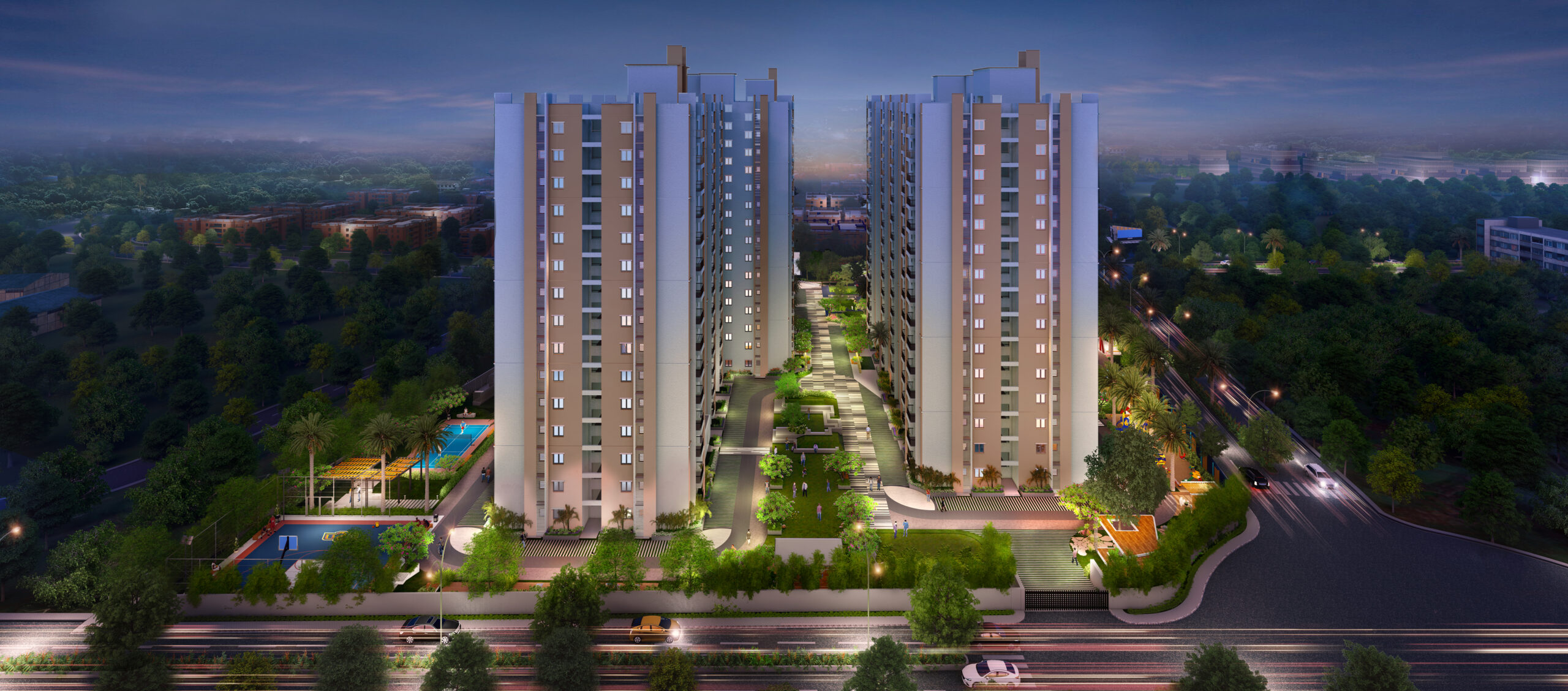

Own Your Dream Now! 3 BHKs in Kokapet | Ready to move | Premium Lake Facing Apartments
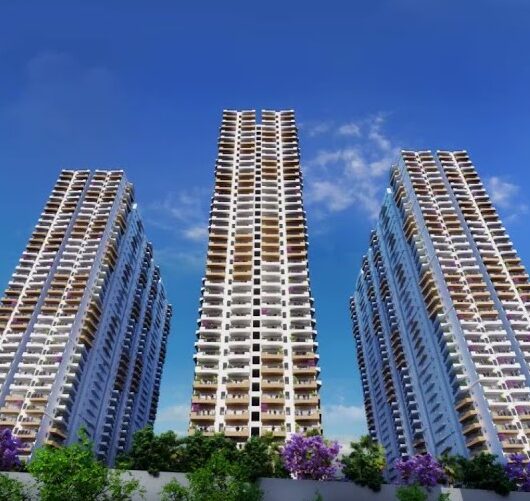
Live Where You Work | Spacious 3 BHKs in the Heart of the Financial District | From ₹2.25 Cr .
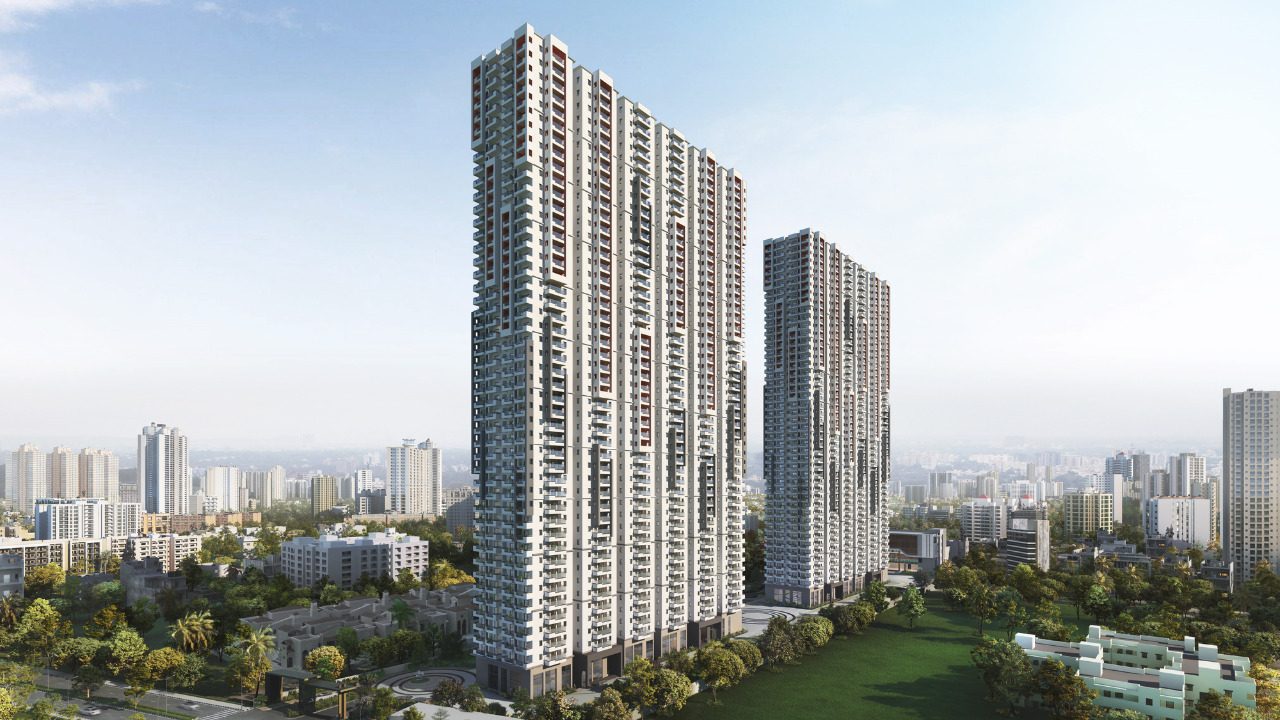
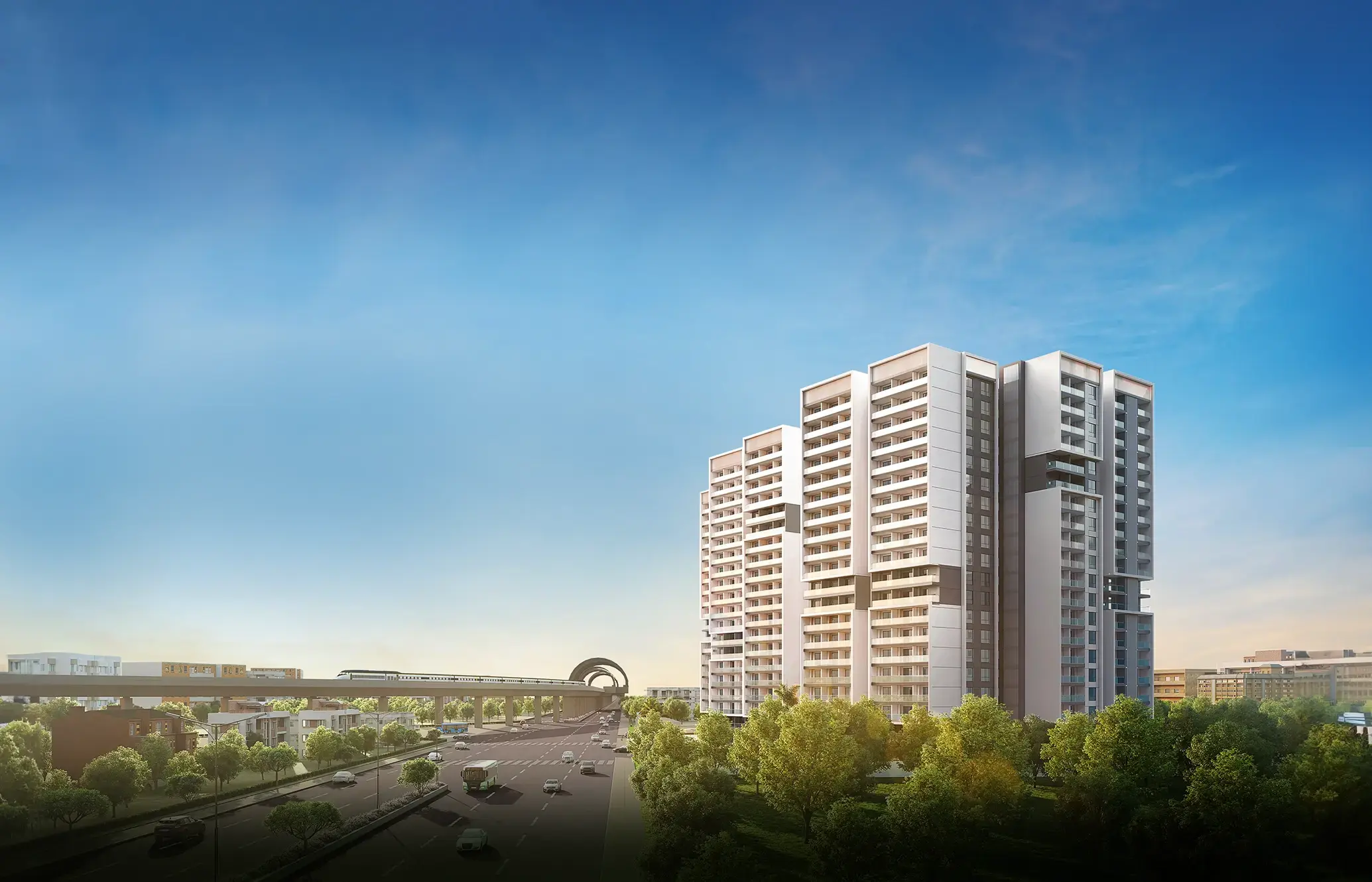
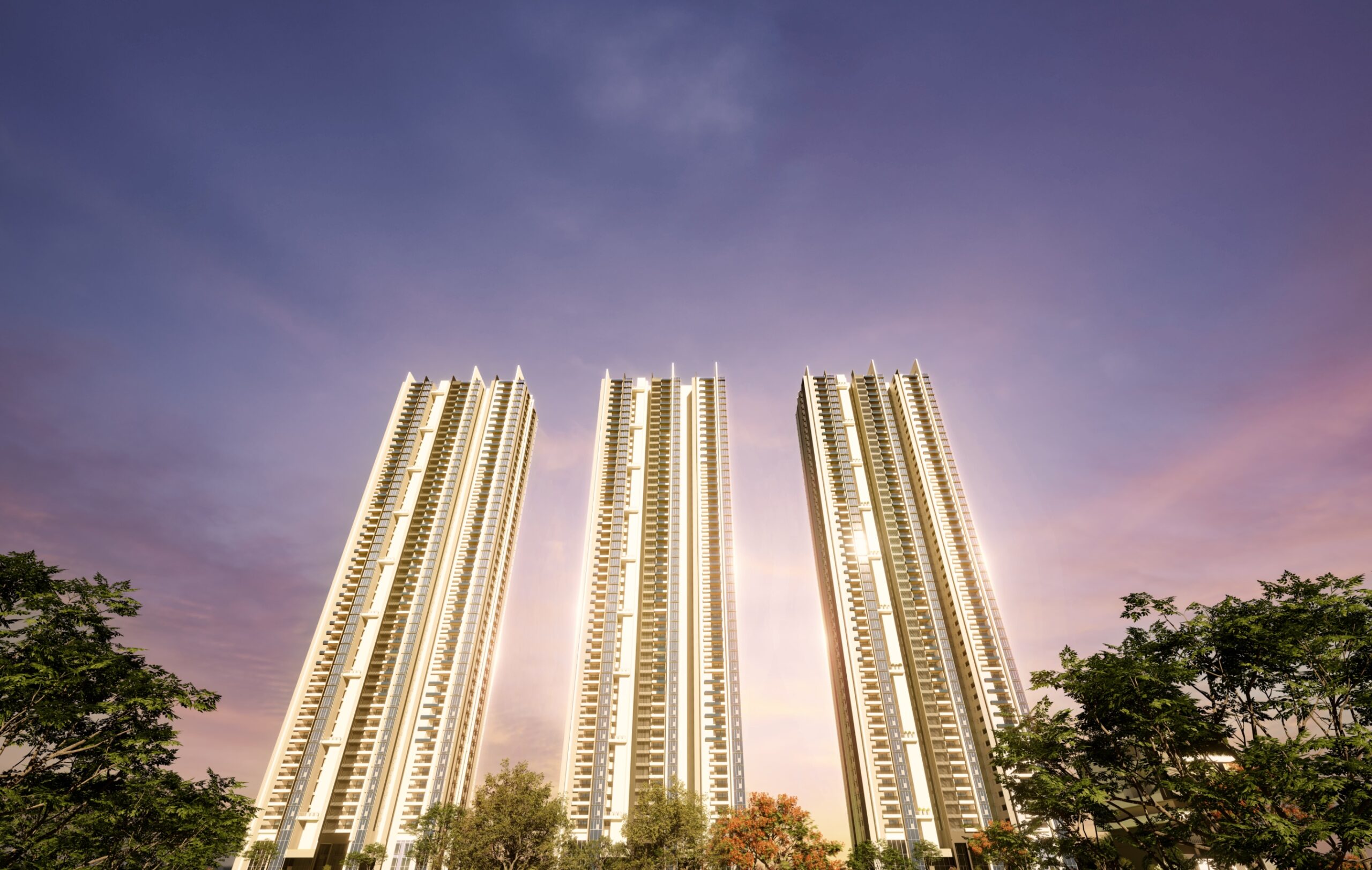
Exclusive 3BHKs | Experience the city’s rhythm in Financial District | Starting at 2.5 Crs
Our Projects
Own Your Dream Now! 3 BHKs in Kokapet | Ready to move | Premium Lake Facing Apartments
Live Where You Work | Spacious 3 BHKs in the Heart of the Financial District | From ₹2.25 Cr .
Exclusive 3BHKs | Experience the city’s rhythm in Financial District | Starting at 2.5 Crs
Latest Articles
-
Why Some Apartments Age Gracefully While Buying A New House
-
Real Estate Social Media Ads: How They Shape Buying Decisions

-
Fractional Ownership Real Estate In India: Unlocking Your Investment Potential
-
What Structural Audits Reveal About Concrete Building Lifespan

Related to this Article
-
How to File a TDR in Telangana: A Clear Guide for Property Owners

-
TDR Policy in Telangana: Why Hyderabad Homebuyers Should Act Early

-
Residential zoning laws in Hyderabad: Everything You Need to Know Before Buying Property
-
How to Buy a Home When Upfront Costs Feel Too Heavy
