What Structural Audits Reveal About Concrete Building Lifespan
Understanding the Importance of Structural Audits
Structural audits are akin to a health check-up for buildings. They assess a structure’s safety, potential lifespan, and structural integrity. These audits delve into crucial elements such as materials, design, and construction techniques. Insights gleaned from these assessments are key in identifying potential red flags that could shorten a concrete building’s lifespan.
In India, for instance, a residential building typically lasts about 25 to 50 years. However, with proper care and maintenance, it could endure for 70 years or more.
| Building Type | Average Lifespan (Years) |
|---|---|
| Concrete Structures | 50-100 |
| Residential Apartments in India | 25-50 |
| High-Rise Buildings | 50-70 |
Unveil the 50-50 payment plan
The significance of these audits cannot be overstated. They preserve a building’s value and prevent costly repairs in the future. Moreover, structural audits ensure compliance with safety regulations, safeguarding the well-being of everyone within the building.
Understanding audit results allows stakeholders to plan renovations effectively. By identifying when a building requires attention, budgeting becomes more manageable, potentially extending the life of an apartment in India.
The Key Components of Structural Audits
What really happens during a structural audit? These evaluations are vital for determining how durable a concrete building will be. The four primary components assessed during these audits are foundation integrity, load-bearing walls, concrete strength, and structural joints.
| Component | Importance |
|---|---|
| Foundation Integrity | Essential for stabilizing the building and preventing shifts over time. |
| Load-Bearing Walls | Supports floors and roofs; damage can lead to serious safety hazards. |
| Concrete Strength | Ensures the material can bear pressure, thereby increasing the building’s lifespan. |
| Structural Joints | Facilitates movement and absorbs stress; essential to avoid cracks. |
Foundation integrity needs careful monitoring to catch settling or cracking early on. Weakened load-bearing walls can jeopardize the entire structure. Concrete strength assessments may include core sampling, while structural joints should allow for movement but remain tight to avoid complications.
These factors are critically linked to the longevity of apartment buildings in India. Regular audits can help identify problems before they escalate into significant financial burdens. For a deeper understanding of building longevity, look into this resource on the expected lifespan of concrete buildings.
What hidden issues are lurking beneath the surface of concrete buildings? Structural audits can uncover numerous troubles that threaten a building’s longevity. While these problems may not be readily visible, they can escalate into severe crises if left unattended. Common issues include corrosion of reinforcement bars, water seepage, and material degradation.
Corrosion of metal reinforcements is particularly insidious, as moisture and chemical reactions can severely compromise structural integrity. Water seepage, often due to poorly sealed foundations or leaky roofs, not only damages materials but can also create mold issues, a health hazard that no one wants.
Material wear and tear are inevitable, influenced by temperature fluctuations, pollutants, and neglect. Over time, concrete may crack or spall, further weakening the structure. Here’s how these problems impact longevity:
| Issue | Impact on Lifespan | Recommended Action |
|---|---|---|
| Corrosion of Reinforcement Bars | Can reduce lifespan by 15-30% | Regular inspections and timely repairs |
| Water Seepage | Can halve lifespan if untreated | Effective drainage and waterproofing measures |
| Material Degradation | Varies, average 20% lifespan reduction | Proactive maintenance strategies |
Recognizing these hidden issues is essential for maintaining the structure’s durability. Though the average lifespan of an apartment building in India might be around 60 years, such problems can significantly reduce this time frame. Thus, regular structural audits are quintessential for ensuring building safety and longevity.
For more advice on maintaining building lifespan, visit this source, explore detailed maintenance guidelines at Concrete Network, and don’t miss insights from Floortek Coatings, as regular maintenance can significantly impact durability.
Guiding Decisions: How Audit Findings Influence Repair and Renovation
Structural audits are pivotal for managing concrete buildings effectively. They provide not just a diagnosis of existing problems but also direct guidance on subsequent actions. By examining a building’s condition, owners and managers gain invaluable insights necessary for planning repairs or renovations. Neglecting these insights can lead to escalating minor problems into major dilemmas.
Research indicates that a concrete building’s lifespan can vary greatly depending on quality of materials, maintenance level, and environmental conditions. For example, a well-maintained concrete apartment in India typically endures for 30 to 50 years. However, neglect could curtail that lifespan significantly.
Here’s a quick overview of factors influencing lifespan:
| Factors Affecting Lifespan | Impact on Lifespan |
|---|---|
| Quality of Materials | Can extend lifespan by 20% |
| Regular Maintenance | Increases longevity by 15-30% |
| Environmental Conditions | Can reduce lifespan by up to 50% |
| Structural Modifications | Improves lifespan by up to 25% |
| Design and Construction Techniques | May significantly enhance lifespan |
Using audit findings allows owners to prioritize necessary repairs promptly. Early intervention based on audits can prevent more severe deterioration and reduce total repair costs. Remember, the longevity of an apartment building in India closely correlates with its maintenance and smart upgrades carried out over time.
To delve deeper into specific repairs suggested by your audits, check out this article on Building Lifespan: Average & Estimation. Proactive strategies not only safeguard finances but also guarantee safe, comfortable living spaces. For further guidance, look up resources focusing on quality building materials and essential maintenance practices.
Understanding how audits lead to repairs can directly affect property values and tenant satisfaction , all contributing to a favorable return on investment. Enhance your renovation planning with solid audit data. Interested in how interest rates impact your investments? Be sure to visit our articles related to interest rates and construction costs.
Planning for the Future: Extending the Lifespan of Concrete Buildings
Concrete buildings can boast impressive lifespans, typically ranging from 50 to 100 years. However, such durability relies heavily on construction practices and ongoing upkeep. In the Indian apartment sector, leveraging findings from structural audits is critically important, translating into strategies that enhance longevity.
Preventive Maintenance
Routine inspections are invaluable. Identifying problems before they escalate is crucial for sustaining structural integrity. Regular monitoring of concrete surfaces, for example, can catch cracks before they worsen. Proactive maintenance can extend a building’s average lifespan, potentially increasing its market value.
Sustainable Upgrades
In discussing upgrades, it is vital to consider sustainable materials and technologies. Utilizing eco-friendly systems can significantly bolster a building’s durability. Incorporating energy-efficient technologies and environmentally friendly concrete mixtures not only lessen environmental impacts but also enhance insulation, preserving the physical integrity of concrete over time.
Long-Term Asset Management
From a management perspective, a long-term strategy pays dividends. Property managers should plan interventions based on anticipated conditions, such as local climate, anticipated foot traffic, and the projected lifespan of various building components. Through smart budgeting, property owners can contend with aging structures and adverse weather effectively.
| Strategy | Description | Benefits |
|---|---|---|
| Preventive Maintenance | Routine inspections and maintenance | Catches issues early, lowering overall repair costs |
| Sustainable Upgrades | Improvements using environmentally friendly materials | Enhances building integrity while boosting market value |
| Long-Term Management | Systematic budgeting for repairs | Preserves structural longevity and safety |
In India’s rapidly urbanizing landscape, understanding how to apply structural audits for these strategies is vital for property owners. By implementing the right measures, they can effectively prolong the lifespan of apartment buildings.
In conclusion, the longevity of concrete buildings, particularly apartments in India, hinges on proactive, savvy management. Each approach contributes to a more resilient built environment, ensuring valuable properties remain functional and safe for the long haul.
FAQ
1. What is a structural audit?
A structural audit is a detailed assessment of a building’s structural integrity, focusing on components like the foundation, walls, and materials to ensure safety and longevity.
2. How often should structural audits be conducted?
It is recommended to conduct structural audits every 3 to 5 years, or more frequently if the building is subject to unusual conditions like heavy traffic or hazardous environmental factors.
3. What are common issues found during structural audits?
Common issues include corrosion of reinforcement bars, water seepage, material degradation, and failing structural joints.
4. How can I extend the lifespan of my concrete building?
Regular maintenance, proactive inspections, sustainable upgrades, and effective asset management are key factors in extending the lifespan of concrete structures.
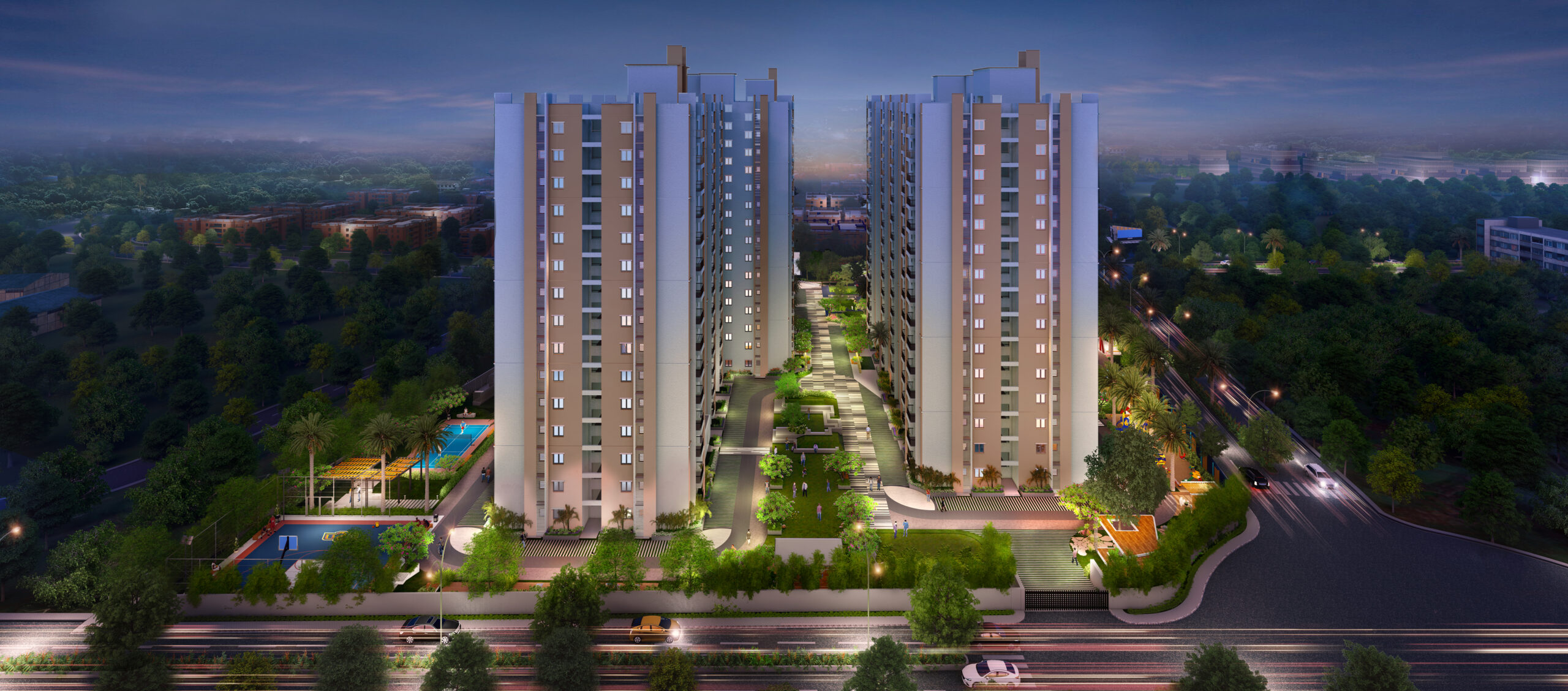
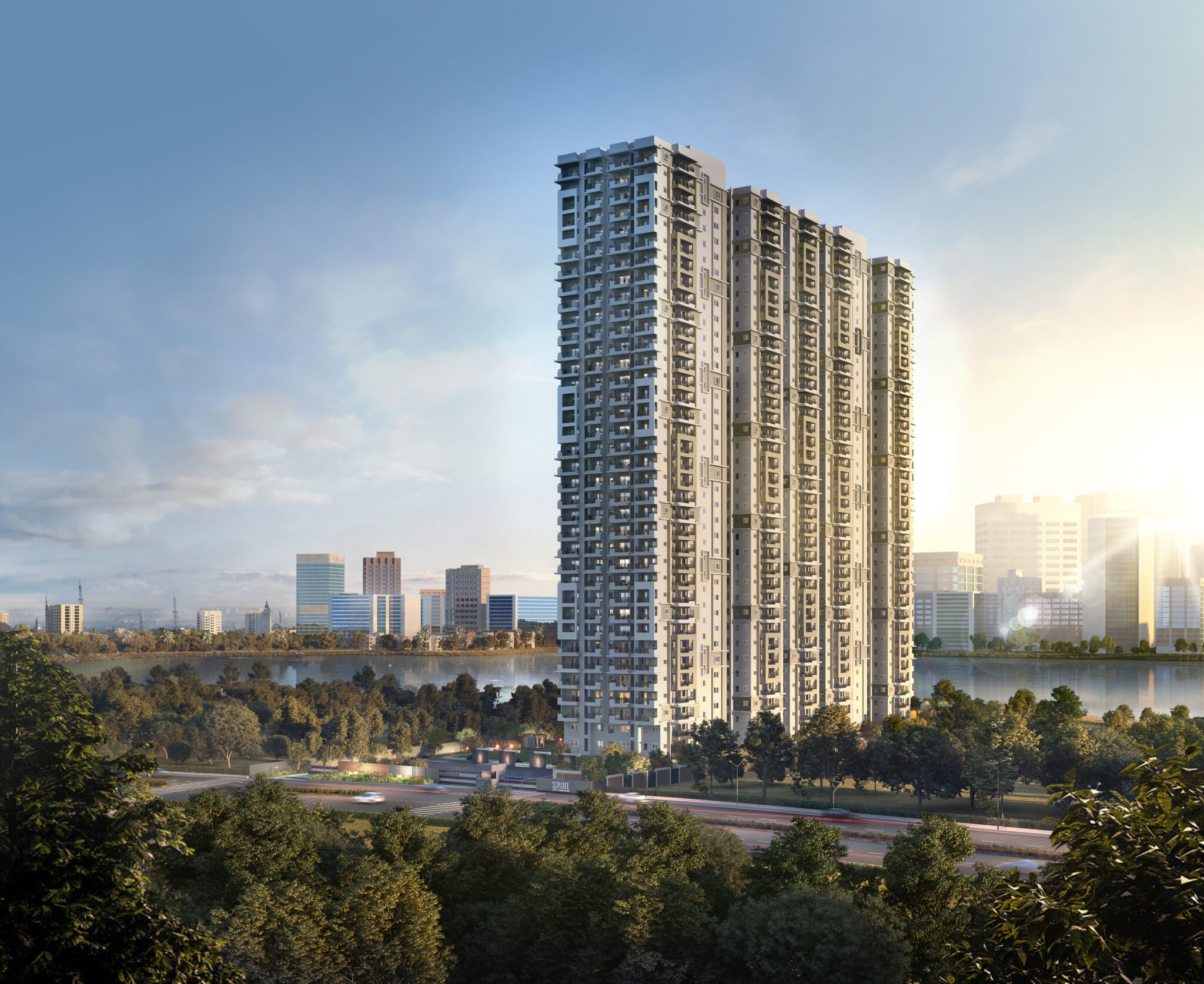
Own Your Dream Now! 3 BHKs in Kokapet | Ready to move | Premium Lake Facing Apartments
Live Where You Work | Spacious 3 BHKs in the Heart of the Financial District | From ₹2.25 Cr .
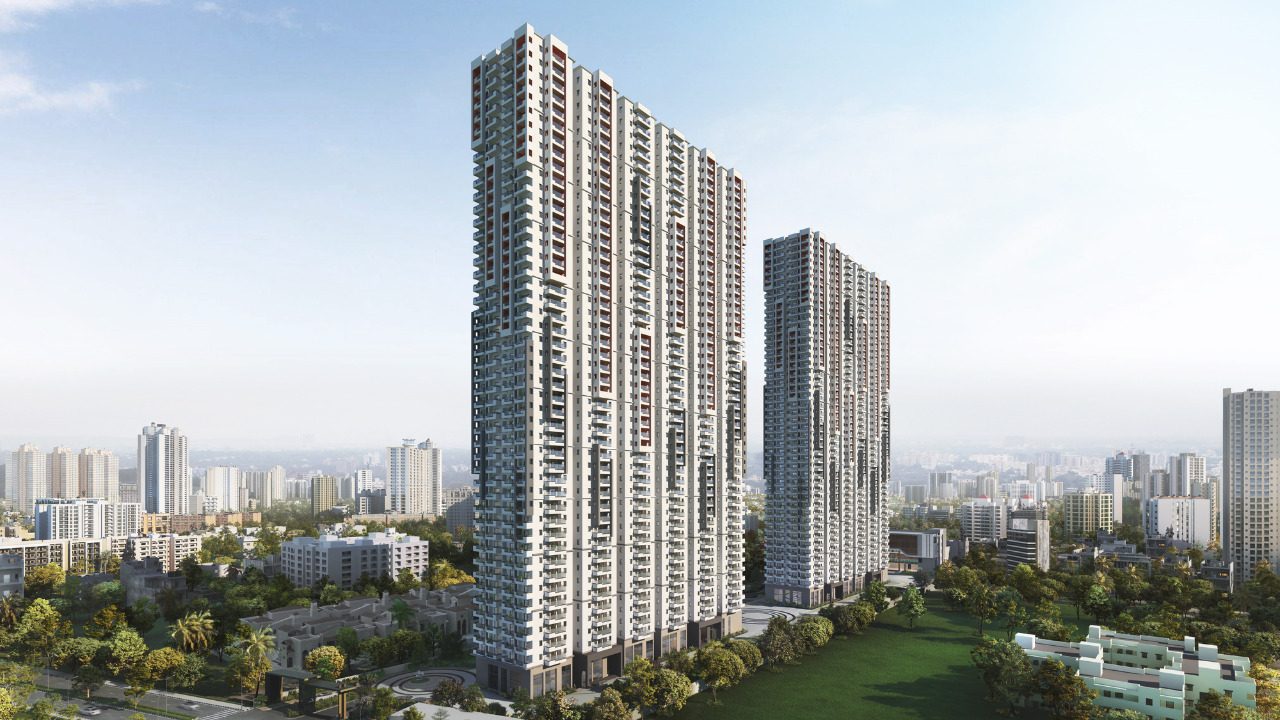
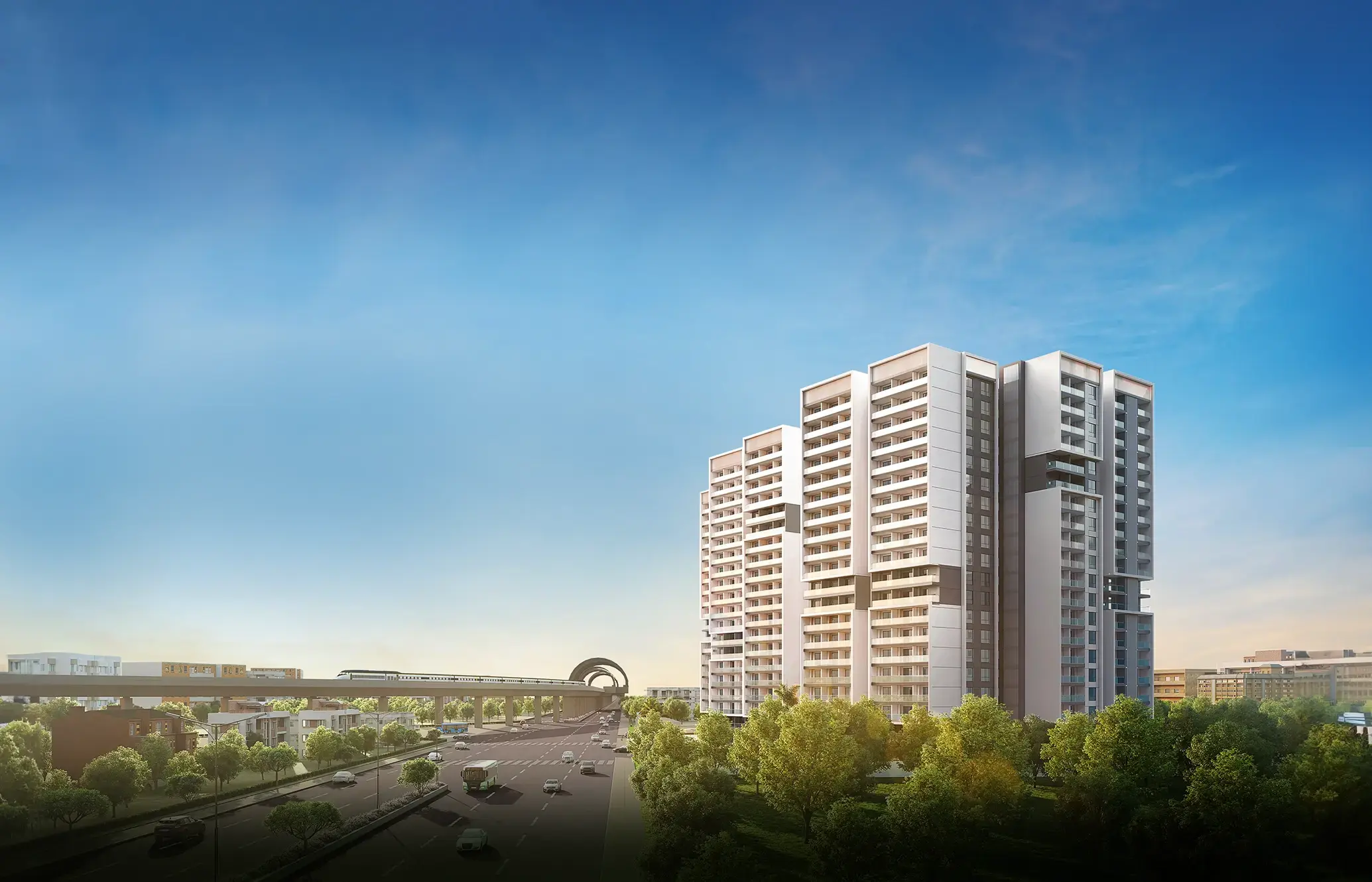
Exclusive 3BHKs | Experience the city’s rhythm in Financial District | Starting at 2.5 Crs
Our Projects
Own Your Dream Now! 3 BHKs in Kokapet | Ready to move | Premium Lake Facing Apartments
Live Where You Work | Spacious 3 BHKs in the Heart of the Financial District | From ₹2.25 Cr .
Exclusive 3BHKs | Experience the city’s rhythm in Financial District | Starting at 2.5 Crs