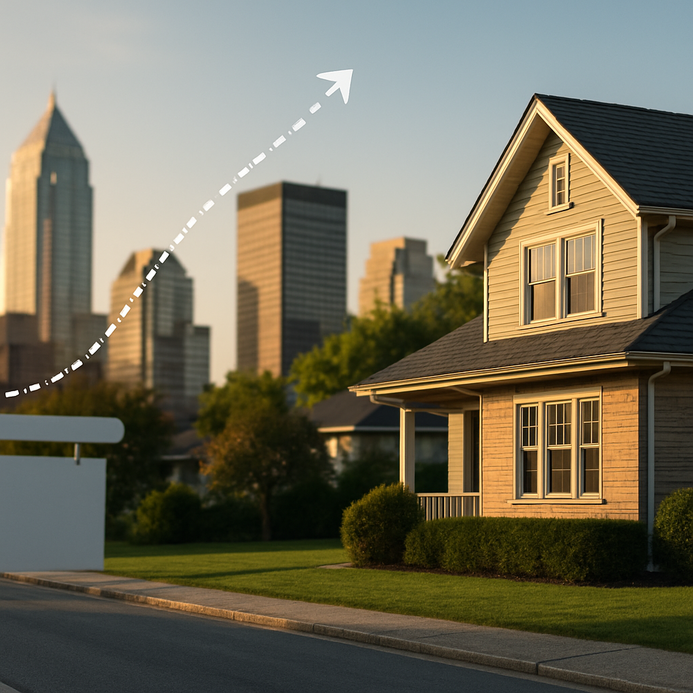
Unlocking FSI: Why You Can’t Afford To Ignore It ?
Understanding FSI: The Full Form and Fundamental Principles
What’s FSI, anyway?
So, when you hear FSI, it stands for Floor Space Index. It’s basically the ratio of total built-up area to the size of the land. In India, local development authorities set these FSI rules to keep an eye on how dense things get in a neighborhood. For anyone looking to buy or build, you should know that FSI impacts unit sizes, heights of towers, and parking arrangements. If you want detailed advice for homebuyers, check out this guide from ASBL, it’s worth a look.
Why does FSI even matter?
Higher FSI means more built area on the same patch of land. This could allow developers to offer up more units, which might drive per-unit prices down for buyers. But don’t forget, more density also means a heavier load on infrastructure. Approvals, utility setups, and timelines can stretch as a result. While the cost per square foot might not change much, bigger projects mean the overall price tag gets higher.
Unveil the 50-50 payment plan
Quick reference table: FSI impact examples
| Plot area (m2) | FSI | Max built-up area (m2) |
|---|---|---|
| 500 | 1.0 | 500 |
| 500 | 1.5 | 750 |
| 1000 | 2.0 | 2000 |
Practical tips:
– Always check local FSI rules before you start budgeting.
– Don’t forget to think about infrastructure charges and any extra costs like TDR.
– If you’re looking at Hyderabad, local authority pages or articles on FSI rules are a goldmine of info.
This gets you up to speed about FSI and its essential roles in construction, real estate, and forestry.
The Relationship Between FSI and Buildable Area
So, what’s up with buildable area?
Remember, FSI means Floor Space Index. It sets the stage for how much you can build on a plot. Essentially, it creates a legal ceiling on construction. Want a thorough explanation? Check this link.
Calculating buildable area, easy peasy!
First, grab your plot area. Then multiply it by the allowed FSI to get your maximum floor area. After that, just subtract any required setbacks, parking spots, or amenity spaces based on local rules. You can dive into specifics about how to apply this in our floor space index guide.
Here’s a quick example table:
| Plot Area (sq m) | Permitted FSI | Max Buildable Area (sq m) |
|---|---|---|
| 200 | 1.0 | 200 |
| 200 | 1.5 | 300 |
| 500 | 2.0 | 1000 |
How FSI plays into cost and design:
When FSI allows more space, builders can spread out the fixed land cost over a larger area. This could lower the per-unit construction cost. On the flip side, taller buildings need beefier foundations and reliable lifts. So, vertical expansions can hike up structural costs. Local regulations on floor area ratio and TDR also influence whether a project is viable.
Practical tips:
– Always check the sanctioned FSI with local authorities before you seal the deal on land.
– Don’t forget to factor in parking and common areas in your calculations.
– Get your builder to provide an FSI calculation sheet along with the necessary approvals.
Keeping it all in check makes planning practical and costs more predictable.
Impact of FSI on Urban Density and Project Scale
How does FSI shape cities?
FSI, remember, is the Floor Space Index. It limits total built area based on plot size. This directly affects how dense a neighborhood looks. Higher FSI allows builders to stack on more floors, while lower FSI keeps things spread out and low. Need more info? Check this explanatory article.
FSI’s effects on project scale and pricing:
When FSI increases, developers can create more saleable area from the same land. That often lowers the land cost per unit but can crank up construction and compliance expenses. Guess what? In urban areas, higher FSI usually makes projects shift from cozy villas to high-rises. And that definitely impacts everything from infrastructure needs to parking. For local guidelines and examples, check out our FSI limits guide.
Data snapshot: FSI impact on a 1,000 m2 plot
| Approved FSI | Allowed built-up (m2) | Typical project scale |
|---|---|---|
| 0.5 | 500 | Low-rise houses, row units |
| 1.5 | 1500 | Mid-rise apartments |
| 3.0 | 3000 | High-rise towers |
Practical takeaway:
For buyers and investors, getting the approved FSI sorted out early is key. It gives you a look into density, unit sizes, parking, and potential resale value down the line. Always double-check local bylaws and TDR regulations before diving in.
Supply and Pricing: The Economic Implications of FSI Limitations
Let’s talk about FSI and supply.
So, FSI stands for Floor Space Index, which is crucial. It defines the ratio of total built area to the land area and sets the limits on how much can actually be built. This directly influences the housing supply and what the buildings look like. You can find a solid breakdown of this here.
How FSI limitations shift supply and pricing:
If FSI goes up, you can fit more units onto each plot, which bumps up supply without having to buy more land. On the flip side, low FSI forces sprawled-out layouts or limits the number of units, which tightens supply and usually drives prices and rents up. Take cities that loosen FSI, they often see quicker vertical growth, relieving some land stress. Specific regulations in Hyderabad can influence this process, so dig into our guide on FSI rules in Hyderabad.
FSI in different sectors:
– In construction, FSI informs structural layouts, floor counts, and services.
– In real estate, FSI dictates market supply dynamics and unit mixes.
– In the forest department, it points to the Forest Survey of India, which focuses on forest cover, not building.
Quick table: impact summary
| FSI level | Supply effect | Price pressure |
|---|---|---|
| Low (e.g., 0.5–1.0) | Few units, horizontal growth | High |
| Medium (1.5–2.5) | Balanced supply, mid-density | Moderate |
| High (3.0+) | More units, vertical growth | Lower pressure |
Wrapping it up:
Loosening FSI could drop construction costs, optimize land use, and ease price pressure. But keep in mind, it’s not just about building more; you’ll also need upgrades in infrastructure like roads and drainage. Developers can only pass cost savings to buyers if market competition and approval processes line up in a favorable way. For anyone needing in-depth buyer guidance, our primer on FSI and buying decisions is a great resource, check it out here.
Redevelopment Opportunities in Low-FSI Zones: A Double-Edged Sword
Low FSI areas, what’s the angle?
Low FSI zones can really draw in investors. Once redeveloped, the land value has the potential to spike. Just remember, the FSI full form here is the floor area ratio to plot area. For builders, a low FSI tends to jack up the cost for land per square meter sold. But for folks living there? It usually translates to less density and more open spaces. Redevelopment can mean better unit economics, especially if bonus FSI or incentives are on the table.
Key impacts for builders and investors:
– Land values could soar as more plots need to be acquired to reach desired volumes.
– Construction costs per unit typically dip for larger projects, yet that upfront land cost can climb.
– Approvals and clearances can slow things down, stretching project timelines.
– Redevelopment unlocks potential for Transportation-Oriented Development (TOD) and amenity-driven premiums when public transport improvements come into play.
Quick example table: how FSI affects buildable area
| Plot area (sq.m) | FSI | Max built-up (sq.m) |
|---|---|---|
| 500 | 1.0 | 500 |
| 500 | 1.5 | 750 |
| 1000 | 1.0 | 1000 |
| 1000 | 2.0 | 2000 |
Regulatory and sector insights:
In construction, the FSI full form is vital for guiding structural planning, parking norms, and other essential services. Redevelopment generally involves cooperation from property owners and local entities. Different cities have their own FSI regulations, so always check the local context. For more on this, see our practical take on FSI and FAR here.
And remember, in the forest department, the FSI relates to the Forest Survey of India, which monitors forest cover, totally separate from urban building codes. This can get tangled in paperwork if you’re not careful! If you want a hands-on approach to redevelopment guidance, check out our buyer-focused primer on FSI basics and approvals here.
FAQ
1.What is FSI and why is it important?
FSI, or Floor Space Index, is a crucial parameter in urban planning that defines the maximum allowable built-up area relative to the land area. It is important because it regulates density, influences infrastructure demand, and affects property values.
2.How does FSI affect real estate prices?
FSI directly impacts the supply of housing units. Higher FSI allows for more units to be built on a plot, generally lowering individual unit costs. Conversely, lower FSI often limits supply, driving up prices and rents.
3.What are the implications of low FSI zones?
Low FSI zones may present opportunities for redevelopment, potentially increasing property values as land is optimized. However, initial investments can be high, and developers must navigate complex approval processes.
4.How can I determine the FSI for a property I’m interested in?
To determine the FSI for a specific property, consult local development authority regulations, property documents, or seek assistance from a real estate expert familiar with local zoning laws.
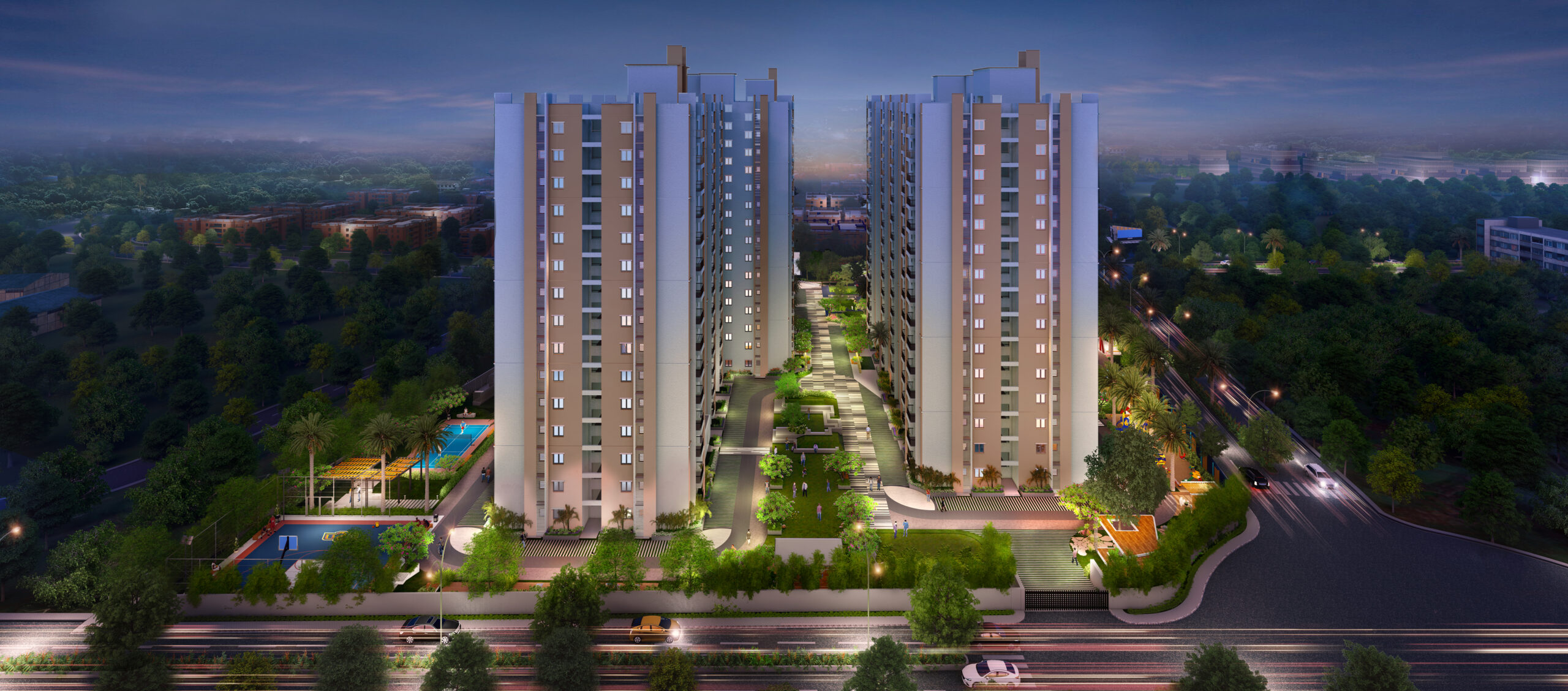
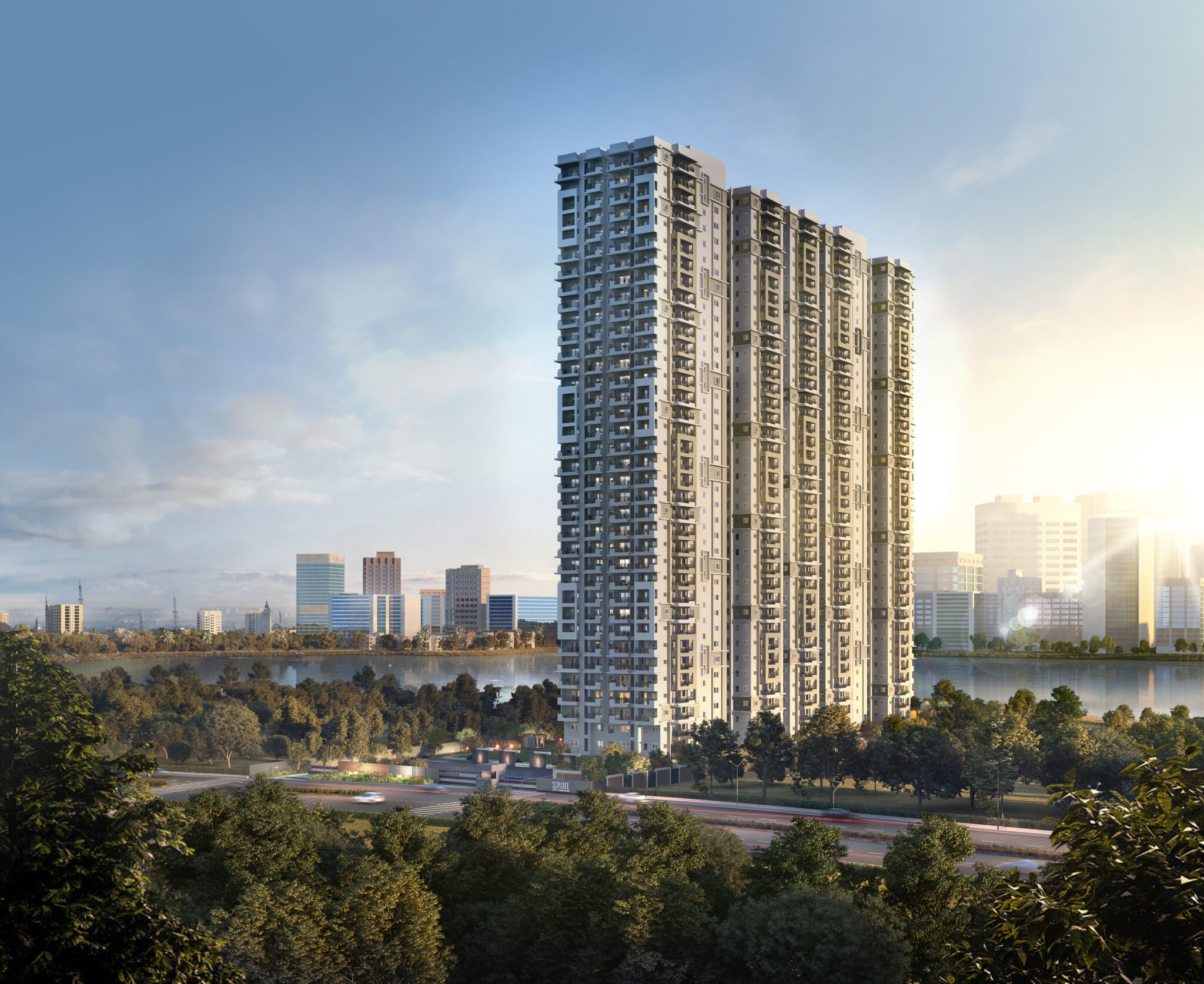
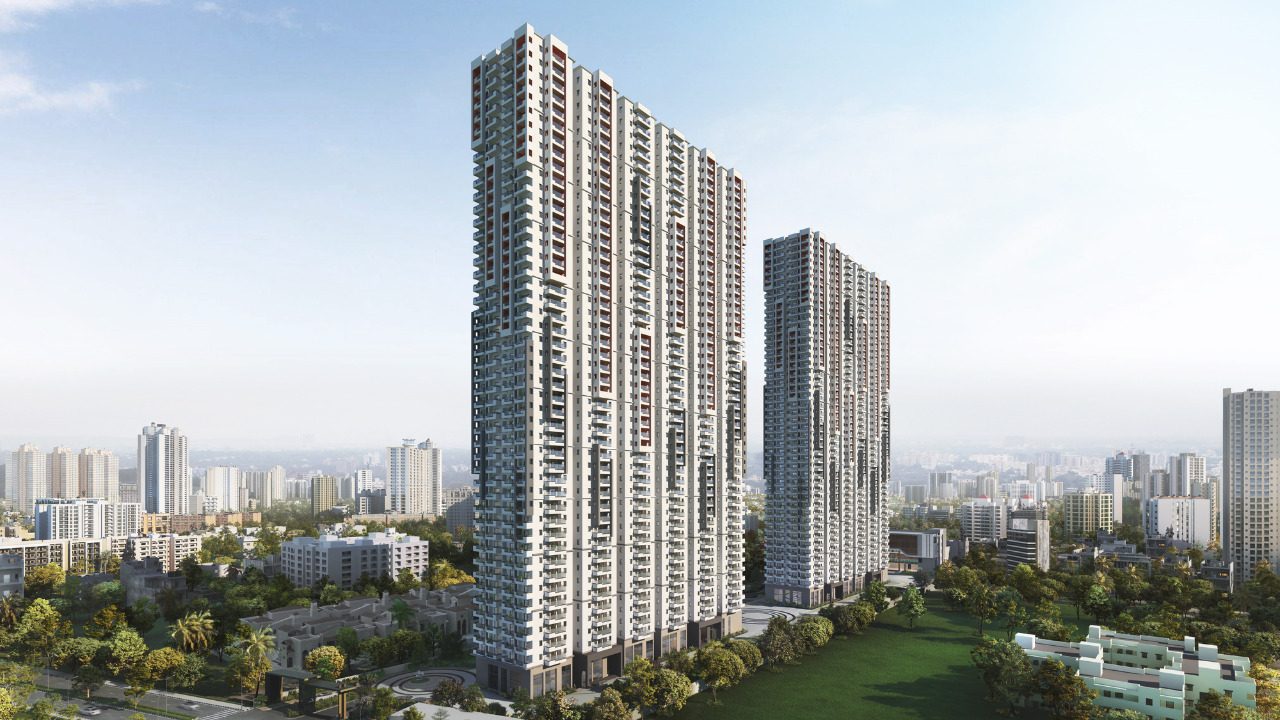
Own Your Dream Now! 3 BHKs in Kokapet | Ready to move | Premium Lake Facing Apartments
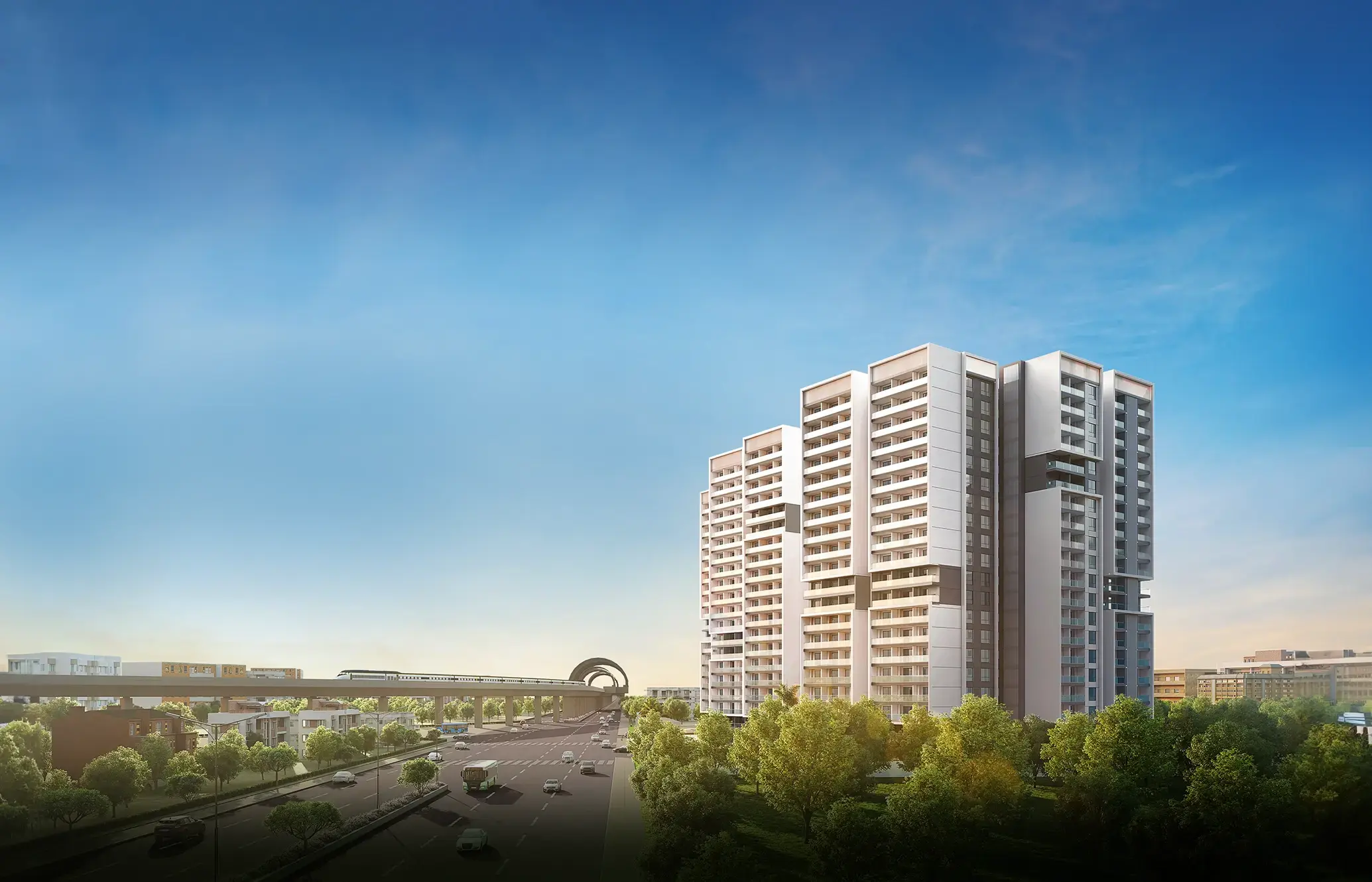
Live Where You Work | Spacious 3 BHKs in the Heart of the Financial District | From ₹2.25 Cr .
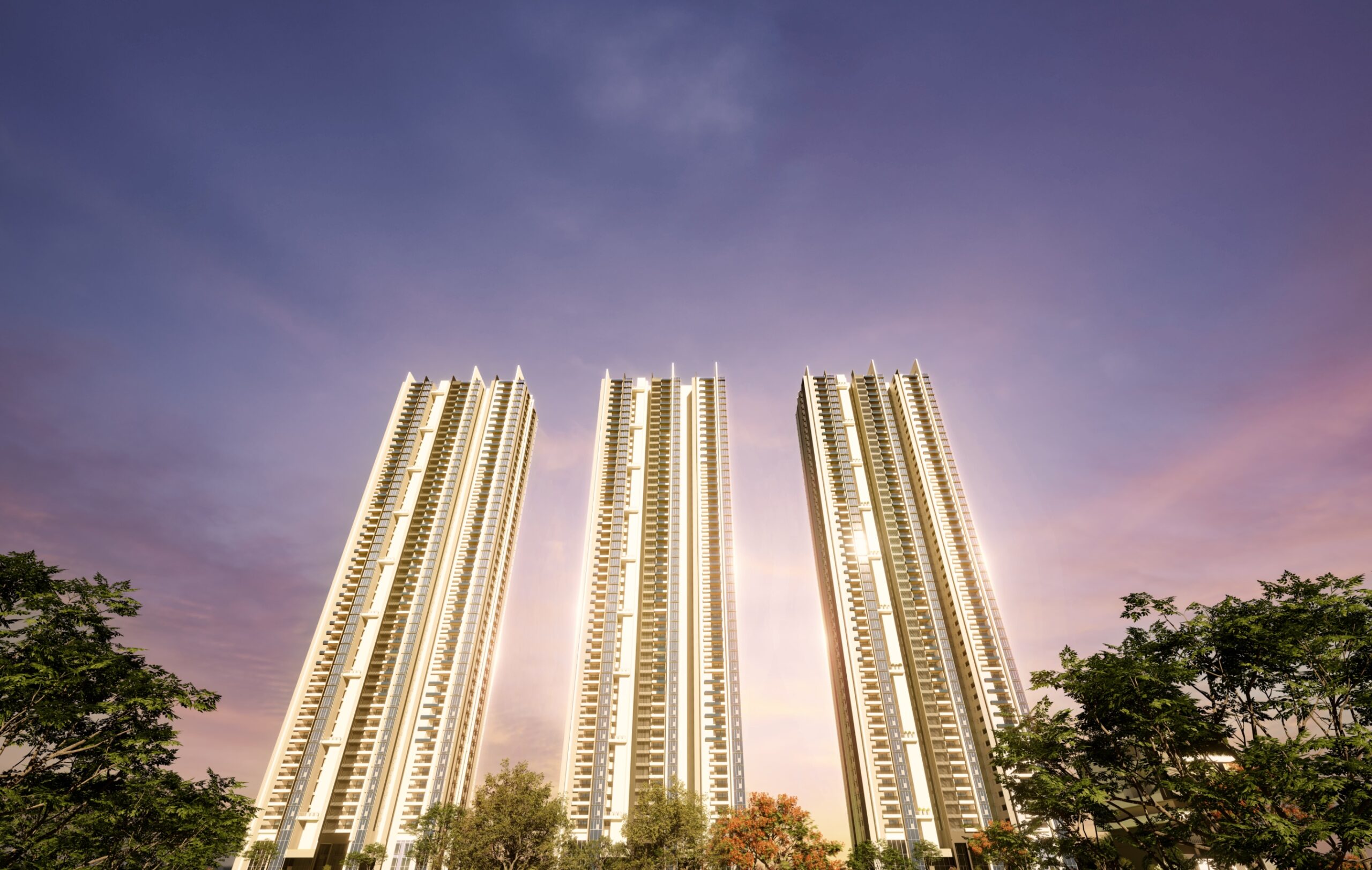
Exclusive 3BHKs | Experience the city’s rhythm in Financial District | Starting at 2.5 Crs
Our Projects
Own Your Dream Now! 3 BHKs in Kokapet | Ready to move | Premium Lake Facing Apartments
Live Where You Work | Spacious 3 BHKs in the Heart of the Financial District | From ₹2.25 Cr .
Exclusive 3BHKs | Experience the city’s rhythm in Financial District | Starting at 2.5 Crs