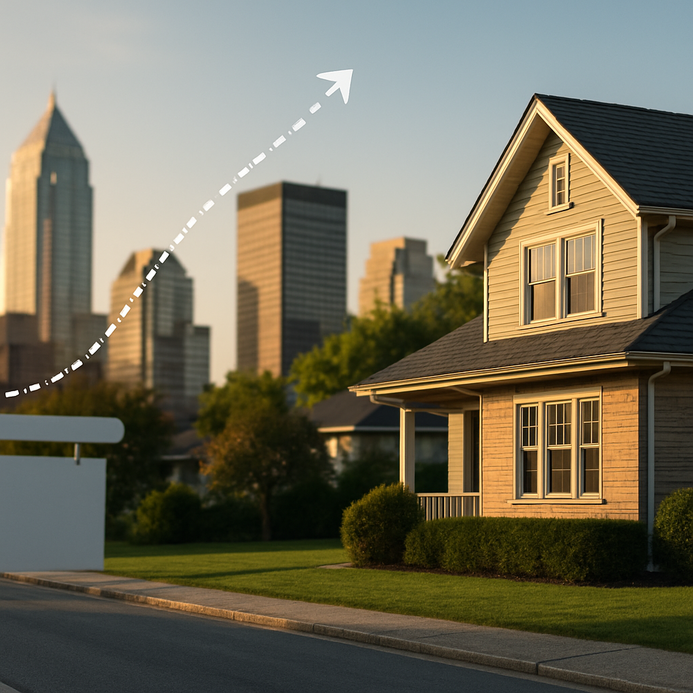
Telangana Solar Policy: What Homeowners Need To Know Now
Introduction to Telangana’s Solar Policy Landscape
So, let’s talk about Telangana, and its solar policy, the changes are rolling in fast! The government’s all-in on renewable energy, aiming for a staggering 20,000 MW by 2030. Why? Well, it’s not just about upping the energy game. It’s about tackling urbanization hurdles, especially in bustling cities like Hyderabad. And let me tell you, Telangana is already rocking the solar scene, standing tall among India’s top states for solar energy generation.
A big part of this? The revamped regulations for rooftop solar systems. Imagine this: flexible net metering options and shared energy access are now on the table. Perfect for urban homeowners eager to jump on the rooftop solar bandwagon. With the new draft regulation, making the switch to solar is cleaner, cheaper, and a lot easier.
We shouldn’t overlook the new Clean and Green Energy Policy, which is pretty crucial. It’s all about innovative floating solar projects on water bodies. Yup, that’s right, maximizing energy without hogging all the land!
Here’s a quick look at what’s happening in Telangana’s solar world:
| Year | Installed Solar Capacity (MW) | Target Capacity (MW) | Notable Policy Changes |
|---|---|---|---|
| 2020 | 3,300 | 10,000 | Rooftop Solar Panel Policy introduced |
| 2022 | 7,000 | 20,000 | Net Metering & Shared Energy Access implemented |
| 2025 | 12,500 | 20,000 | Launch of Clean and Green Energy Policy |
With these moves and the government backing, Telangana’s solar policies look pretty enticing for homeowners in Hyderabad. Think lower energy bills and a greener planet. For more deets, grab some info on the latest renewable energy policy here.
Unveil the 50-50 payment plan
Key Changes in Solar Policies: A Deep Dive
Now, let’s dig into the nuts and bolts of these policy changes. The Telangana solar scene is getting a facelift, and it’s all about making it easier for everyone to jump on the solar train.
First off, competitive bidding for solar power procurement is now in the mix. We’re talking about an approved increase of 3 GW over five years – yes, you read that right. This is to help meet the Renewable Consumption Obligation (RCO) and ramp up market competition, which should mean lower bills for consumers.
And, don’t forget the PM-KUSUM incentives. The government is laying out the groundwork for 4 GW of solar capacity that’s really going to help rural areas get in on the solar action. They’re positioning themselves to support households, both urban and rural.
Another biggie is the new draft regulation for rooftop solar systems. The Commission is making life easier with net metering options, allowing folks to cash in on the excess energy they generate.
| Key Policy Changes | Description |
|---|---|
| Competitive Bidding | Approved for 3 GW solar power procurement over five years. |
| PM-KUSUM Incentives | 4 GW capacity for rural areas. |
| Rooftop Solar Regulation | New draft regulation with better perks and net metering options. |
These updates are making waves and aligning with the national goals for renewable energy uptake; it’s all about moving toward a more sustainable future. For a deeper dive, check out our article on the impact of Telangana state policies on Hyderabad real estate.
Implications for Homeowners in Hyderabad
Alright, homeowners in Hyderabad, listen up! The recent shifts in solar policies are big news for you; they come with a mix of perks and hurdles. The new regulations could mean a nice boost to your bank account, not to mention updated guidelines on installations worth looking into.
Cost Benefits of Solar Adoption
How does saving money sound? Homeowners can expect to see their electricity bills shrink after making the switch to solar systems. With net metering, you can sell any excess energy back to the grid, which is pretty sweet. Some studies show, you could save around ₹30,000 to ₹40,000 a year, depending on your system size and how much energy you use.
| Solar System Size | Estimated Savings/Year | Installation Cost | Payback Period |
|---|---|---|---|
| 3 kW | ₹30,000 | ₹2,50,000 | 8 years |
| 5 kW | ₹40,000 | ₹4,00,000 | 10 years |
| 10 kW | ₹70,000 | ₹7,00,000 | 12 years |
New Installation Guidelines
Now, onto the nitty-gritty of installation. The new policy lays out some standards you gotta follow for solar panel setups. Think orientation, shading analysis, and structural assessments, they’re key to making sure you’re getting the most sun for your buck. Plus, lenders are now getting more generous with financing for solar projects, which makes jumping in a bit easier.
Appeal of Transitioning to Solar
Switching to solar doesn’t just save you money; it could ups your home’s value too. Houses with solar panels are getting more eye-catching to buyers, meaning when you sell, you might see a better return. The government’s really pushing to make this transition smooth and accessible.
Hyderabad homeowners would do well to take note of these changes. Adapting to the new solar landscape could lead to some solid savings, increased property values, and a good dose of security in a changing energy market. For further guidance, you might find it useful to check articles on the implications of energy policies on housing markets here.
Challenges and Opportunities Ahead
So, what’s next? The solar policy in Telangana is packed with potential, but it’s got its fair share of bumps in the road too. While the regulatory updates aim to make a real difference, challenges could throw a wrench in things.
Challenges in Implementing the Telangana Solar Policy
For starters, financing can be a real headache for folks looking to install solar panels. The initial costs are tough to swing for many; that upfront price tag often leaves people hesitant. Plus, navigating through the paperwork and approvals can turn into a wild goose chase, which definitely slows things down.
Another issue? The push for domestically made solar panels, while great for local biz, has hiked prices. This makes affordability a sticking point for many buyers looking to adopt. The PM-KUSUM scheme taking a backseat due to the government’s refusal to greenlight solar plants on government land? Yeah, that’s another hurdle that’s not making things easier either.
Opportunities for Stakeholders
Now, don’t let the challenges overshadow the bright spots. The revised policy is gunning for an impressive 20,000 MW of renewable energy by 2030, which opens the door for investments. For residents, flexible net metering options are paving the way for tailored energy solutions.
And with that phased competitive bidding for 3 GW, it’s clear the state’s looking to draw in investments and sustainable energy solutions. It’s an attractive deal for construction pros eager to go greener.
Potential Benefits to Stakeholders
| Benefit Type | Description |
|---|---|
| Financial incentives | Easier access to loans for solar setups |
| Competitive pricing | Phased bidding for solar projects |
| Regulatory support | Simplified metering models for energy consumption |
| Investment opportunities | Major investments in renewable energy capacity |
To sum it all up, there are definitely challenges in rolling out the Telangana solar policy, but alongside, there are also ripe opportunities that could lead to a much more sustainable energy landscape in the region.
Future Trends in Solar Energy in Telangana
Looking ahead, the future of solar energy in Telangana feels pretty bright! With the latest updates to the solar policy, the state has set its sights on adding 20,000 MW of renewable energy capacity by 2030. Innovative moves like floating solar panels and green hydrogen projects are on the radar now, boosting energy security and paving the way for economic growth.
Key Innovations and Policies
The Telangana Electricity Regulatory Commission is shaking things up with reforms aimed at simplifying rooftop solar installations. They’re rolling out net metering and gross metering regulations to make it smoother for households and businesses to join the solar party. It’s all about cutting down electricity costs and pushing for energy independence, which is a win-win!
| Year | MW Addition Goals | Key Innovations |
|---|---|---|
| 2025 | 3,000 | Net Metering Implementation |
| 2030 | 20,000 | Launch of Floating Solar Projects |
The Clean and Green Energy Policy is all about keeping the environment front and center, aiming to drive a significant boost in solar capacity through competitive bidding and innovative technologies. This is where Telangana can really grab a lead in renewable energy, fostering an ecosystem that’s all about innovation and a greener tomorrow.
Economic Impact
By integrating these solar projects, consumers could see their energy costs dipping, pushing more folks toward renewables. Of course, high costs and infrastructure hiccups have made it tricky for the market to really take off, but if supportive policies continue to roll out, we’re looking at some serious growth in residential solar.
Telangana’s proactive approach indicates a strong commitment to advancing solar energy, offering local businesses and consumers a chance to benefit from these innovations. Who knows, this could even bump up property values and shape future residential trends in the state!
Feel free to dive deeper into the new rooftop solar regulations in Telangana, check out the Clean and Green Energy Policy, and get the lowdown on the domestic solar panel requirements.
FAQ
- What is the primary goal of Telangana’s solar policy? The primary goal is to achieve 20,000 MW of renewable energy capacity by 2030.
- What financial benefits can homeowners expect from solar energy adoption? Homeowners can save around ₹30,000 to ₹40,000 annually by utilizing solar systems and net metering.
- What are the challenges in implementing the solar policy in Telangana? Challenges include high initial costs, financing issues, and complex approvals.
- What innovations are being introduced in the Telangana solar sector? Innovations include new rooftop solar regulations, floating solar panels, and green hydrogen projects.


Own Your Dream Now! 3 BHKs in Kokapet | Ready to move | Premium Lake Facing Apartments
Live Where You Work | Spacious 3 BHKs in the Heart of the Financial District | From ₹2.25 Cr .


Exclusive 3BHKs | Experience the city’s rhythm in Financial District | Starting at 2.5 Crs
Our Projects
Own Your Dream Now! 3 BHKs in Kokapet | Ready to move | Premium Lake Facing Apartments
Live Where You Work | Spacious 3 BHKs in the Heart of the Financial District | From ₹2.25 Cr .
Exclusive 3BHKs | Experience the city’s rhythm in Financial District | Starting at 2.5 Crs