TDR Policy in Telangana: Why Hyderabad Homebuyers Should Act Early
The real estate market in Hyderabad is entering a phase where policy decisions are starting to shape pricing more than demand alone. The recently announced Telangana government rule on TDR is one such shift that is already influencing how future residential projects will be planned, approved, and priced.
For homebuyers, especially those tracking high-rise developments, this policy brings an important question to the forefront. Will homes launched in the future cost more than what is available today? Early indicators suggest that the answer may be yes, particularly in micro-markets where vertical growth is the norm rather than the exception.
At its core, the TDR policy directly impacts how much it costs for builders to construct taller residential buildings. Since these additional costs do not disappear, they are expected to gradually move into apartment pricing. This makes the timing of a purchase just as important as the location itself.
Understanding how Transferable Development Rights affect approvals, construction economics, and pricing benchmarks can help buyers make better decisions. This blog breaks down what the policy means for Hyderabad, with a strong focus on West Hyderabad where high-rise activity is the highest.
Unveil the 50-50 payment plan
- 1 TDR Policy in Telangana and Its Direct Impact on New Residential Projects
- 2 TDR Impact Across Hyderabad: Why West Hyderabad Stands Out
- 3 TDR Cost Analysis in West Hyderabad Micro-Markets
- 4 TDR and Future Home Prices: What Buyers Should Know
- 5 TDR Policy and Why West Hyderabad Remains a Strong Investment Zone
- 6 TDR Policy Takeaways for Homebuyers and Investors
- 7 Final Thoughts on TDR and Buying Decisions in Hyderabad
- 8 FAQs on TDR Policy and Hyderabad Real Estate
TDR Policy in Telangana and Its Direct Impact on New Residential Projects
The new TDR policy applies to residential developments with ten floors or more. Builders planning such projects are now required to purchase Transferable Development Rights for a defined portion of the built-up area constructed above the tenth floor.
While the rule mainly targets new projects, it also applies to ongoing developments under specific conditions. Any project that seeks plan revisions, additional floors, or fresh approvals will need to comply with the TDR requirement. As a result, even existing developments may face added costs if they expand beyond their original sanctions.
This policy introduces a clear cost layer that did not exist earlier. Taller buildings and revised approvals now come with a measurable financial implication. Over time, this shifts how builders price new launches and future phases within the same project.
Because of this, the TDR framework is expected to influence supply-side pricing rather than immediate demand. Buyers may not see an overnight price jump, but the long-term effect is likely to reflect in launch prices across high-rise-heavy zones.
TDR Impact Across Hyderabad: Why West Hyderabad Stands Out
The effect of TDR is not uniform across Hyderabad. North, East, and parts of South Hyderabad have limited exposure because most developments there are mid-rise in nature. Fewer floors mean lower or no TDR loading.
West Hyderabad, however, tells a different story. Areas such as the Financial District, Nanakramguda, Kokapet, and Narsingi have become synonymous with high-rise living. Many upcoming projects in these zones range between forty and fifty floors.
Since Transferable Development Rights are applicable to construction above the tenth floor, the cumulative cost impact in these areas is significantly higher. As more high-rise projects enter the approval pipeline, the influence of TDR becomes more pronounced.
Over time, this cost pressure is expected to reset pricing benchmarks in West Hyderabad. Even projects that are already approved may gain a relative pricing advantage compared to future launches affected by higher TDR costs.
While estimating the TDR impact, only the built-up area constructed above the 10th floor was considered. From this portion, 10% of the total built-up area was taken as the applicable TDR loading, as defined by the policy. The final cost impact varies by micro-market based on average building height, built-up density, and prevailing Transferable Development Rights rates.
TDR Cost Analysis in West Hyderabad Micro-Markets
To understand how TDR affects pricing, multiple high-rise residential projects across West Hyderabad were studied. The analysis considered average floors, built-up area per acre, and applicable Transferable Development Rights rates sourced from CBRE market data.
All figures below are indicative and meant to show directional impact rather than exact pricing.
Estimated TDR Impact by Location
| Location | Approx. Additional Cost per Acre | Estimated Price Impact per SFT |
| Kokapet | ₹6–7 Cr | ₹120–140 |
| Narsingi | ₹4–5 Cr | ₹100–120 |
| Rajendra Nagar | ₹2–2.5 Cr | ₹70–90 |
| Nanakramguda | ₹15–16 Cr | ₹380–420 |
| Nallagandla | ₹4.5–5 Cr | ₹130–150 |
| Miyapur | ₹5.5–6 Cr | ₹180–210 |
| Kollur | ₹1.2–1.5 Cr | ₹35–45 |
| Tellapur | ₹4–4.5 Cr | ₹120–135 |
| Kukatpally | ₹6–6.5 Cr | ₹200–230 |
| Neopolis | ₹6–6.5 Cr | ₹120–140 |
This table highlights one important trend. Micro-markets with taller average building heights see a much higher TDR cost impact per square foot.
TDR and Future Home Prices: What Buyers Should Know
The most important takeaway from the TDR policy is its long-term influence on pricing. Builders rarely absorb such structural costs permanently. Instead, they adjust pricing strategies over time.
New launches will factor TDR costs at the planning stage itself. This means launch prices may start higher than comparable older projects. Similarly, ongoing projects that seek additional approvals may also revise pricing to account for new compliance costs.
For buyers waiting for newer launches, this creates a trade-off. While future projects may offer newer designs, they are also likely to come at a higher base price due to Transferable Development Rights loading.
On the other hand, projects with approvals already in place may offer better value today. These developments are relatively insulated from the cost escalation caused by the new policy.
TDR Policy and Why West Hyderabad Remains a Strong Investment Zone
Despite the impact of TDR, West Hyderabad continues to be one of the city’s strongest real estate corridors. The region is home to major technology campuses and large commercial developments.
Global companies such as Google, Amazon, and Microsoft have established significant operations here. According to multiple industry estimates, this zone is expected to generate close to one lakh new jobs in the coming years.
Rental demand reflects this growth. Current rental yields in the Financial District range between four and five percent. Average monthly rents for three-bedroom homes already touch ₹80,000 to ₹85,000.
As per Magicbricks’ rental market report, rents in the Financial District have grown at nearly eighteen percent year-on-year. Over the next five years, monthly rents are projected to move toward ₹1.5–2 lakh levels.
Source: https://www.magicbricks.com/property-rates-trends
This steady demand helps absorb price increases caused by Transferable Development Rights, making the region resilient despite policy-driven cost changes.
TDR Policy Takeaways for Homebuyers and Investors
The TDR policy does not signal a slowdown. Instead, it signals a structural change in how high-rise housing is priced. As land becomes scarce and vertical growth continues, compliance costs become part of the pricing equation.
For end-users, the timing of purchase becomes critical. Homes available today in approved projects may offer better pricing compared to similar homes launched later.
For investors, the policy supports long-term appreciation. Restricted future supply combined with steady demand can strengthen price growth in well-connected micro-markets.
Understanding how Transferable Development Rights influence supply helps buyers align their purchase decisions with future market realities rather than short-term trends.
Final Thoughts on TDR and Buying Decisions in Hyderabad
The Telangana government’s TDR policy marks a turning point in how high-rise housing will be developed and priced in Hyderabad. While it introduces additional costs for builders, it also brings clarity and structure to vertical growth.
For buyers, this creates a time-bound opportunity. Projects that already have approvals offer a pricing window that may not exist in future launches. As Transferable Development Rights become embedded into project economics, newer supply is likely to arrive at higher price points.
Staying informed about policy-driven shifts helps buyers move beyond speculation and make decisions based on long-term fundamentals. In a market like Hyderabad, where growth remains strong, understanding TDR can be the difference between buying early and paying more later.
FAQs on TDR Policy and Hyderabad Real Estate
1.Does the new TDR policy affect all residential projects in Hyderabad?
No. The policy mainly applies to residential buildings with ten floors or more. Mid-rise developments are largely unaffected.
2.Will TDR immediately increase apartment prices?
Prices may not rise overnight. However, new launches and revised projects are expected to factor in TDR costs gradually.
3.Is West Hyderabad more affected by TDR than other areas?
Yes. West Hyderabad has the highest concentration of high-rise projects, making it more sensitive to TDR-related cost changes.
4.Are already approved projects impacted by the TDR rule?
Projects with existing approvals are generally insulated unless they seek additional floors or plan revisions.
4.Does TDR reduce the attractiveness of investing in Hyderabad real estate?
No. The policy may increase costs, but strong job growth, rental demand, and infrastructure continue to support long-term value.
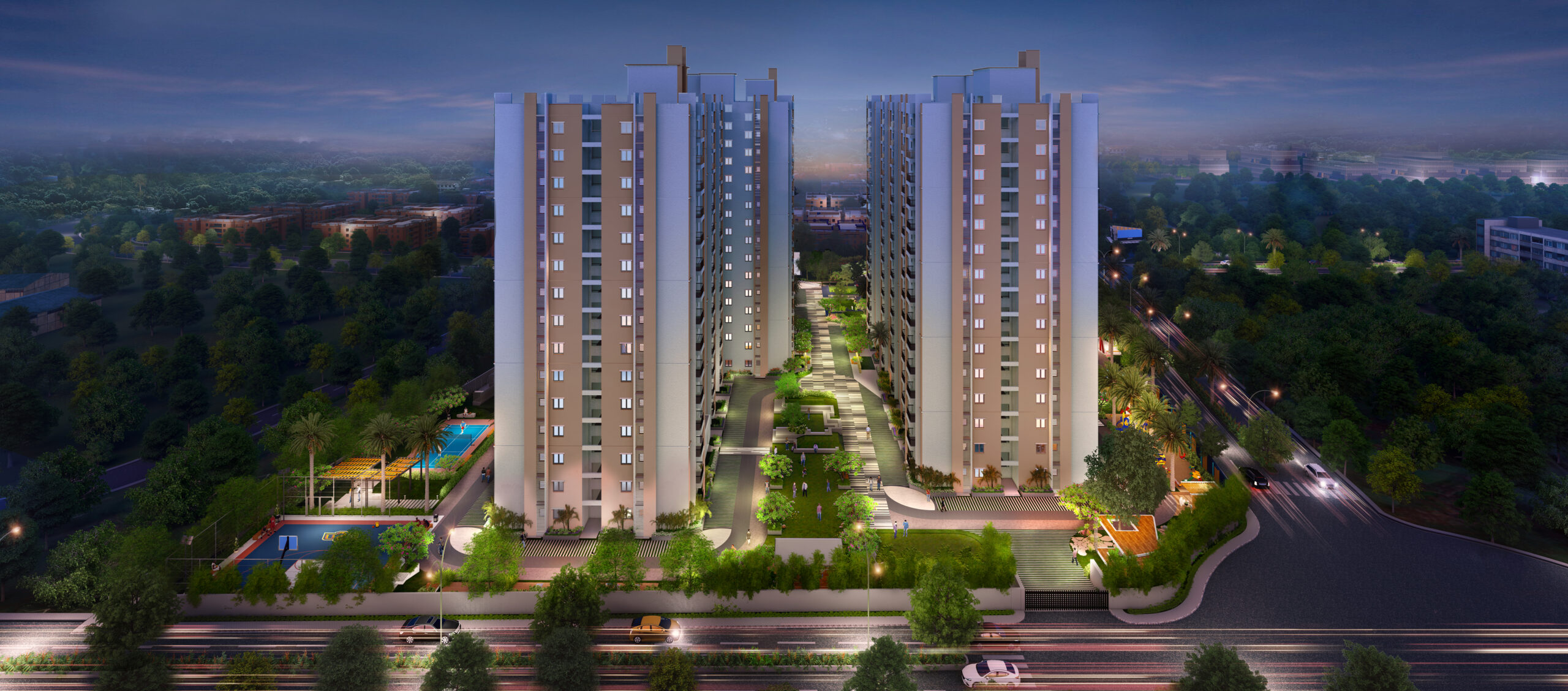
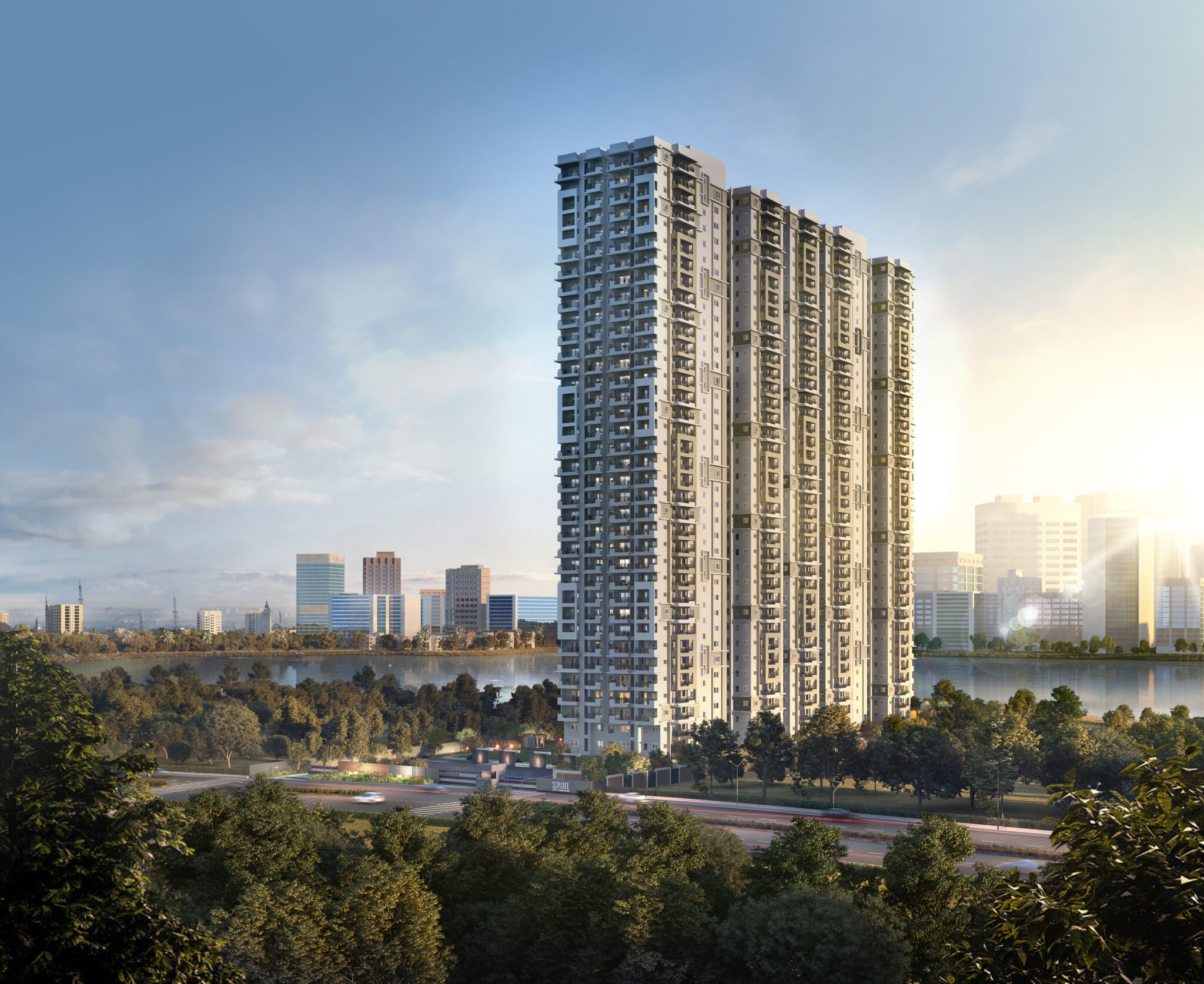
Own Your Dream Now! 3 BHKs in Kokapet | Ready to move | Premium Lake Facing Apartments
Live Where You Work | Spacious 3 BHKs in the Heart of the Financial District | From ₹2.25 Cr .
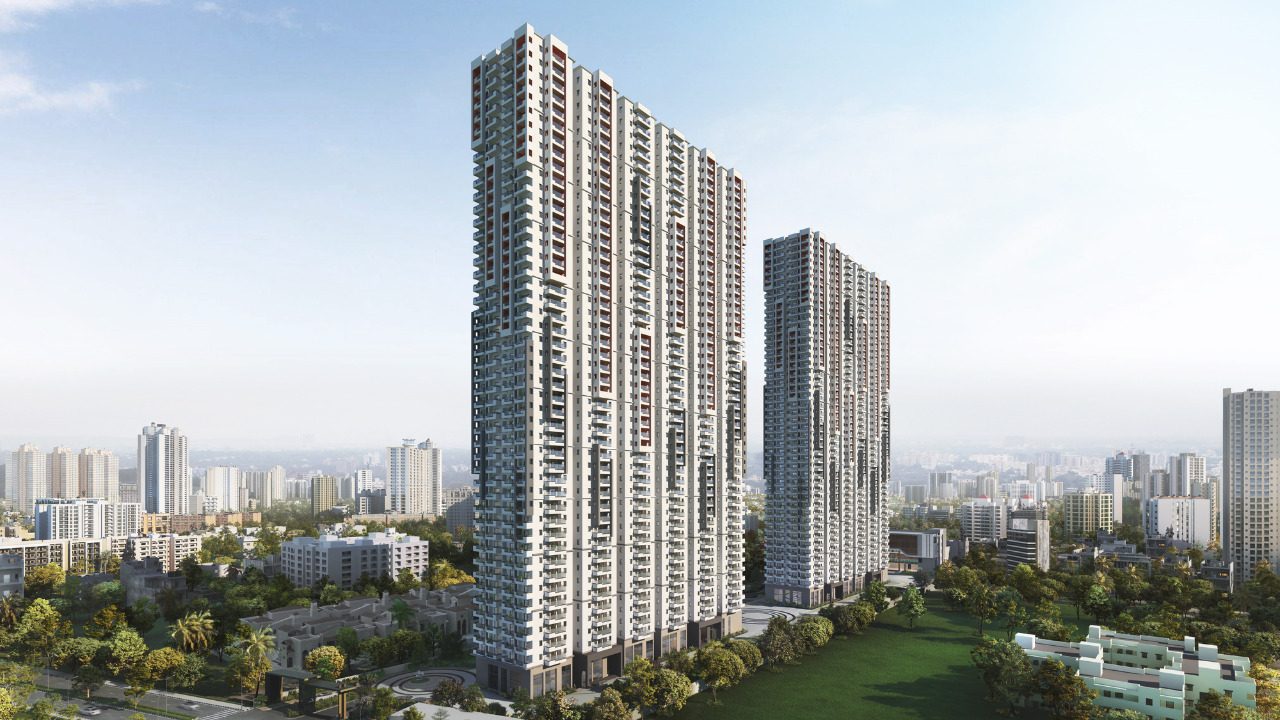
Exclusive 3BHKs | Experience the city’s rhythm in Financial District | Starting at 2.5 Crs
Our Projects
Own Your Dream Now! 3 BHKs in Kokapet | Ready to move | Premium Lake Facing Apartments
Live Where You Work | Spacious 3 BHKs in the Heart of the Financial District | From ₹2.25 Cr .
Exclusive 3BHKs | Experience the city’s rhythm in Financial District | Starting at 2.5 Crs
Latest Articles
-
Apartment Interior Design: Unlocking Mental Well-Being Now

-
Buying A New House? Don’t Fall For FOMO’s Traps!
-
Hyderabad Real Estate Market: Is Your Investment Property a Winner?

-
Financial District Hyderabad: IT Corridors Fuel Housing Demand

Related to this Article
-
Union Budget 2026: Will Rail Expansion Boost Hyderabad Real Estate?

-
How to File a TDR in Telangana: A Clear Guide for Property Owners

-
Residential zoning laws in Hyderabad: Everything You Need to Know Before Buying Property
-
How to Buy a Home When Upfront Costs Feel Too Heavy
