How To Buy A Home On Low Income Using The 80:20 Strategy
Understanding the 80:20 Home Buying Strategy
Buying a home, especially on a tight budget, can feel overwhelming. The 80:20 Home Buying Strategy is designed to help you focus on what really matters. Basically, it suggests that you should devote 80% of your time to the 20% of actions that lead to the biggest wins.
Key Aspects of the 80:20 Strategy
1. Save and Budget Wisely: Start by saving for your down payment. Set a budget that keeps your spending in check and boosts your savings. There are all sorts of tools to help you track your progress—like a savings calculator.
2. Research Loan Options: Familiarize yourself with different loan products. What can you qualify for? Are there better rates or government programs, like Pradhan Mantri Awas Yojana? Don’t overlook these, as they can really help low-income buyers. [Source]
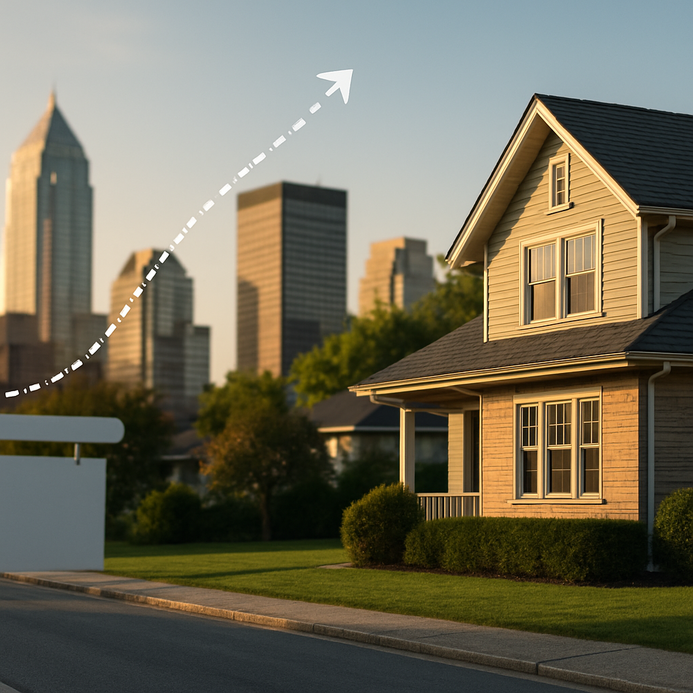
3. Focus on Areas with Future Potential: Location matters! Look for neighborhoods that are expected to grow. Doing a little market analysis can help you identify these up-and-coming spots where home values are on the rise.
Unveil the 50-50 payment plan
Benefits of the 80:20 Strategy
This strategy simplifies things. It helps buyers avoid the paralysis of too many choices. If you’re curious about buying a home in Dubai, keep in mind some local differences; benefits might vary based on where you are.
| Action | Benefit |
| Save for Down Payment | Decreases reliance on loans, lowers overall interest. |
| Research Financial Aid | Access to programs for low-income and first-time buyers. |
| Analyze Market Trends | Better-informed decisions can lead to greater returns. |
In short, the 80:20 approach offers a practical way for low-income buyers to navigate home ownership while managing tight resources. For more insights on facing first-time homebuyer challenges, be sure to check out our resources here.
Assessing Your Financial Readiness
Thinking about how to dive into home buying on a limited income? First off, figure out your financial readiness. Take stock of your income, debts, expenses, and credit score. This will show you how much you can afford and if mortgage approval is in the cards.
1. Evaluate Your Income
Total up your monthly income. Many lenders want your housing costs to sit at 30% or less of your monthly gross income.
2. Examine Your Debt
Your Debt-to-Income (DTI) ratio matters. It’s your total monthly debts divided by your gross monthly income. Ideally, lenders like to see a DTI of under 36% for mortgages.
| Financial Factor | Recommended Value |
| Max Housing Costs | ≤ 30% of monthly income |
| Max DTI Ratio | < 36% |
| Recommended Credit Score | > 620 |
3. Assess Your Expenses
Take a hard look at your monthly expenses. See where you can cut back to save up for that down payment. Generally, saving 20% of your home price is a good goal, but every bit helps.
4. Credit Score Check
Taking charge of your financial health is key, whether you’re eyeing homes in Dubai or elsewhere. Make those proactive moves today by assessing your readiness, and consider chatting with a financial advisor. For more tips on homeownership, check out our article on how to save money to buy a home.
Creative Down Payment Solutions
So, you’re gunning for a home but saving for a down payment feels impossible? Chill. There are creative ways to make it happen.
Family Contributions and Gifts
One classic strategy? Ask for help from family. Parents or close relatives often pitch in some cash. Just make sure it’s documented as a gift, not a loan. A simple letter confirming the gift can work wonders.
Assistance Programs
There are tons of assistance programs meant to help folks like you. Many state and local initiatives exist to lend a hand with your down payment.
Disciplined Saving Methods
You got to save smart. Check out this simple savings table to see how pennies add up over time:
| Monthly Savings | Amount After 1 Year | Amount After 5 Years |
| ₹5,000 | ₹60,000 | ₹300,000 |
| ₹10,000 | ₹120,000 | ₹600,000 |
| ₹15,000 | ₹180,000 | ₹900,000 |
Regularly putting away some of your income can lead to that dream down payment.
Smart Investment of EPF Savings
Got a Provident Fund account? Think about tapping into those savings for your down payment. Just make sure you’re familiar with the withdrawal criteria.
Collaborative Purchasing
Buying a home with friends or family can lighten the load. Splitting costs not only eases the financial strain but also boosts your buying potential.
By exploring these creative ideas, you can inch closer to homeownership, even with a tight budget. For detailed advice on saving for your down payment, check out our article on How to save for a down payment.
Financing Options Tailored for Low-Income Buyers
Navigating financing as a low-income buyer can be tough, but there are tailored loan programs just for you. Here’s a quick look at some options geared toward helping you secure soul-friendly mortgages.
| Program Name | Description | Key Benefits |
| PMAY (Pradhan Mantri Awas Yojana) | A government initiative providing home loan interest subsidies for low-income buyers. | Up to 6.5% interest subsidy on home loans. |
| MUDRA Loans | This program helps small business owners, thus aiding self-employed homebuyers. | Loans up to INR 10 lakhs with lower rates. |
| Home Loan Subsidy Scheme | A subsidy on home loan interest for low-income families aiming for new homes. | Subsidy can be up to INR 2.67 lakhs. |
| NABARD Loans | NABARD provides funds to banks that support low-income buyers looking for housing solutions. | Lower interest rates on housing finance. |
Budgeting for everything from stamp duty to property taxes is essential too. Explore city help programs that can support your local buying efforts. This guidance can make your journey to homeownership smoother and more affordable.
While you’re scoping out financing options, don’t forget to check out our piece on how to save money to buy a home. Getting familiar with these resources lets you step into the housing market with more confidence.
Long-Term Affordability and Maintenance Planning
If you’re snagging a home on a budget, long-term planning is a must. Think beyond the mortgage—there are other expenses, too. Let’s highlight the costs you’ll need to keep in mind.
Budgeting for Homeownership Costs
| Expense Type | Estimated Annual Cost (% of Home Value) |
| Property Taxes | 1% – 2% |
| Home Insurance | 0.5% – 1% |
| Maintenance & Repairs | 1% – 2% |
| HOA Fees | Varies (if applicable) |
| Utilities | Varies based on usage |
1. Property Taxes: Don’t underestimate these. They vary widely, so check your local rates carefully.
2. Home Insurance: This is your safety net against unexpected damages. Particularly vital in India, where natural disasters can strike.
3. Maintenance and Repairs: Budget for 1-2% of your home value for annual repairs. From small fixes to bigger plumbing disasters, regular maintenance is key.
4. HOA Fees: Got a managed community? Factor in these costs, as they might cover amenities and upkeep.
5. Utilities: Regular bills for electricity, water, and gas depend on how you use them.
Saving Tips for Home Expenses
To keep home costs manageable in the long run, here are a few tricks:
– DIY Repairs: Get handy! Learning small repairs can save you serious cash on contractors.
– Energy Efficiency: Invest in energy-saving appliances to cut down utility expenses over time.
– Emergency Fund: Build a fund for surprise repairs; this way, you’re always ready
This program offers critical resources for budgeting and planning.
By planning for the complete picture of homeownership and applying smart budgeting practices, you can keep your dream home affordable for years ahead. Interested in learning more about home buying in specific spots like Dubai? Head over to our internal link.
FAQ
1.What is the 80:20 Home Buying Strategy?
The 80:20 Home Buying Strategy suggests focusing 80% of your time on the 20% of actions that yield the most significant results when buying a home, particularly for low-income buyers.
2.How can I assess my financial readiness for buying a home?
To assess your financial readiness, evaluate your income, debt-to-income ratio, expenses, and credit score. This will help you determine how much you can afford and your chances for mortgage approval.
3.What are some creative solutions for a down payment?
Creative down payment solutions include family contributions, assistance programs, disciplined saving methods, tapping into Provident Fund savings, and collaborative purchasing with friends or family.
4.What financing options are available for low-income buyers?
Financing options for low-income buyers include government initiatives like PMAY, MUDRA Loans, Home Loan Subsidy Schemes, and NABARD loans tailored to assist low-income households in purchasing homes.
5.What expenses should I budget for in homeownership?
You should budget for various costs, including property taxes, home insurance, maintenance and repairs, HOA fees, and utilities when planning for long-term affordability in homeownership.

Own Your Dream Now! 3 BHKs in Kokapet | Ready to move | Premium Lake Facing Apartments

Live Where You Work | Spacious 3 BHKs in the Heart of the Financial District | From ₹2.25 Cr .



Exclusive 3BHKs | Experience the city’s rhythm in Financial District | Starting at 2.5 Crs
Our Projects
Own Your Dream Now! 3 BHKs in Kokapet | Ready to move | Premium Lake Facing Apartments
Live Where You Work | Spacious 3 BHKs in the Heart of the Financial District | From ₹2.25 Cr .
Exclusive 3BHKs | Experience the city’s rhythm in Financial District | Starting at 2.5 Crs