GHMC Master Plan Roads: How Hyderabad Is Being Future-Proofed
- 1 Introduction: A Vision for Sustainable Urban Development
- 2 Understanding the GHMC Master Plan: Water and Sewerage Systems
- 3 Impact on Real Estate: Boosting Investor Confidence
- 4 Future-Proofing Hyderabad: Environmental and Economic Benefits
- 5 Conclusion: A Call to Action for Hyderabad’s Citizens and Stakeholders
- 6 FAQ
Introduction: A Vision for Sustainable Urban Development
The Greater Hyderabad Municipal Corporation (GHMC) is pouring ₹25,000 Crore into a game-changing water and sewerage plan. This isn’t just a drop in the bucket; it’s a full-blown investment aimed at boosting the city’s livability. Picture this: 39 brand-new sewage treatment plants (STPs) coming online, addressing urgent infrastructure needs in a city that’s growing like crazy. This plan isn’t just about fixing pipes and treatment facilities – it’s tied directly to GHMC’s Master Plan 2031, which is all about sustainable urban growth and smart resource use.
Investment Breakdown of GHMC’s Water and Sewerage Plan
| Element | Investment (in Crore) | Details |
|---|---|---|
| Sewage Treatment Plants | 10,000 | Establishment of 39 new STPs |
| Infrastructure Upgrades | 7,500 | Improvement of existing sewer lines and treatment facilities |
| Water Supply Enhancements | 5,000 | Expansion of the water supply network |
| Maintenance & Operations | 2,500 | Regular upkeep of newly constructed facilities |
With these new STPs, Hyderabad’s tackling population density head-on. Better waste management and lower pollution levels aren’t just nice-to-haves; they are essential. Plus, the plan syncs right up with the GHMC Master Plan, emphasizing sustainability and urban resilience.
As Hyderabad continues to expand, these projects are set to enhance road infrastructure and connectivity significantly, making it easier to access vital services. Improved roads mean better mobility and less traffic, which is good news for anyone trying to navigate the city on foot.
If you’re curious about what else is brewing in Hyderabad’s urban planning scene, check out the Revised Development Plan – Hyderabad Metropolitan Development Authority. Understanding these developments is key for everyone involved, as they can seriously impact life in the city.
Understanding the GHMC Master Plan: Water and Sewerage Systems
What’s next for Hyderabad’s urban planning? The ₹25,000 crores GHMC master plan is set to revamp water and sewerage systems significantly. Key to this overhaul? Those 39 new Sewage Treatment Plants (STPs), designed to modernize wastewater management and make urban living more sustainable.
Key Features of the GHMC Master Plan PDF
| Feature | Details |
|---|---|
| Total Investment | ₹25,000 Crore |
| New STPs Planned | 39 |
| Sewage Treatment Capacity | 1,200 MLD (Million Liters per Day) |
| Target Completion | 2025 |
These new STPs will ramp up sewage treatment efficiency, which means better resource recovery and cleaner groundwater. Complying with environmental standards is a given, along with improved public health.
Impact on GHMC Master Plan Roads
Better water and sewerage systems also mean roads get an upgrade as envisioned in the GHMC Master Plan. Improved drainage will help prevent flooding during monsoon madness, preserving road conditions and making urban development more systematic.
The momentum is building behind these plans, so expect a cohesive approach in Hyderabad’s urban planning. Everything from road construction to sewage treatment is deliberately linked, setting the stage for a livable city.
For the full picture of what lies ahead in Hyderabad, don’t miss the Official Development Plan and check out road projects at source.
As the city grows, mastering water and sewerage systems through this master plan is essential for keeping Hyderabad a great place to live.
Impact on Real Estate: Boosting Investor Confidence
Here’s where things intersect: the real estate scene in Hyderabad. The ₹25,000 crore commitment for the water/sewerage plan isn’t just a number; it’s a huge boost for the real estate market. Residents and investors alike will benefit from improved urban utilities that support sustainable living.
| Infrastructure Investment | Projected Impact |
|---|---|
| ₹25,000 crore on water/sewerage | Increases trust in municipal services, boosting real estate demand |
| 39 new STPs | Improves sanitation, directly enhancing property values |
| New road networks under GHMC Master Plan | Facilitates connectivity, encouraging residential developments |
According to the Revised Development Plan by HMDA, these upgrades lay the groundwork for skyrocketing property values and boosting investor interest. Add in the zoning regulations from the HMDA Master Plan 2031, and you’ve got a recipe for increased confidence in the market.
When utilities are reliable and infrastructure well-planned, the worries that come with urban living fade away. Homeowners can look forward to appreciating property values over time. For investors, finding properties in the growth corridors noted in the GHMC Master Plan could mean savvy returns.
Rapid urbanization is reshaping Hyderabad, and it’s not just about flashy new infrastructure; it’s essential for creating an environment that draws in serious real estate investments. Confidence in this evolving space benefits everyone, enhancing daily life for all residents.
Future-Proofing Hyderabad: Environmental and Economic Benefits
What about the environment and the economy? Well, Hyderabad’s infrastructure upgrades are tackling these head-on. That ₹25,000 crore investment is designed to boost livability while ensuring sustainability and economic growth. The new 39 STPs are not just modernizing wastewater management; they’re also cutting pollution and protecting our precious water sources. It’s all about enhancing urban resilience as part of the GHMC master plan.
Economic Growth and Job Creation
Investments from these infrastructure builds, as highlighted in the Revised Development Plan, will not just clean up the environment but stimulate the local economy. Construction work means job opportunities, helping residents find work and supporting local businesses. Plus, the new sewage systems help mitigate flooding risks, a factor that nudges investors toward real estate and commercial projects.
Infrastructure Investment Overview
| Infrastructure Developments | Investment (₹ Crores) | Expected Completion Year |
|---|---|---|
| New Sewage Treatment Plants | 10,000 | 2025 |
| Stormwater Management Systems | 5,000 | 2024 |
| Road Development Projects | 1,500 | 2023 |
| Environmental Awareness Programs | 500 | Ongoing |
| Total Investment | 25,000 | N/A |
Sustainable Urban Planning Initiatives
Hyderabad’s focus on eco-friendly practices doesn’t stop at water systems. The road infrastructure is also being revamped to align with the GHMC Master Plan 2031. Integrating green spaces and walkways promotes a healthier city environment, making Hyderabad even more inviting. These strides are paving the way for future infrastructure decisions that consider the planet while enhancing urban life.
Expanding STPs and boosting road networks is critical for future-proofing Hyderabad. With a solid plan laid out in the GHMC master plan, we’re not just looking at improved livability; we’re positioning Hyderabad as a benchmark for sustainable urban growth. Ongoing investment in infrastructure is key to safeguarding the city’s resources for future generations.
For more on urban development strategies in Hyderabad, delve into this article about GHMC proposals and get the 411 on stormwater management strategies at this report on stormwater plans.
Conclusion: A Call to Action for Hyderabad’s Citizens and Stakeholders
What’s the big picture with this ₹25,000 crore GHMC water and sewerage plan? Simply put, it aims to elevate livability in Hyderabad. Those new 39 STPs promise to clean up sanitation and become part of a bigger picture – a more sustainable, climate-resilient city as outlined in the GHMC master plan. This isn’t just about building stuff; it’s crucial to making Hyderabad ready for the future.
But here’s the kicker: public involvement is the linchpin for this plan’s success. Local residents, businesses, and urban planners need to rally together to get behind the GHMC Master Plan 2031. Transparency and engagement are vital; folks should check in on the GHMC master plan PDF to stay informed and participate in local governance.
Plus, boosting community awareness and educational programs will empower citizens to make meaningful contributions. The city can’t thrive if we all don’t play our part. Promoting the use of new roads and facilities can lead to immediate improvements in daily routines and overall living experiences, ensuring smooth urban life.
As these plans come to life, let’s all take ownership of Hyderabad’s future. Work collectively, maintain the momentum, and advocate for continuous improvements in urban living, making sure Hyderabad remains a top-tier city for generations ahead.
For more on the GHMC’s ongoing work, check out the article about the citywide road maintenance program. Your involvement could very well shape a vibrant, sustainable city for everyone.
FAQ
Q: What is the primary goal of the ₹25,000 crore water and sewerage plan?
A: The primary goal is to improve livability in Hyderabad through modernized water and sewerage systems, focusing on sustainability and efficient wastewater management.
Q: How many new sewage treatment plants are being established?
A: The plan includes the establishment of 39 new sewage treatment plants (STPs).
Q: What environmental benefits can be expected from this initiative?
A: The new STPs aim to reduce pollution, protect water sources, and enhance urban resilience, contributing to a healthier environment.
Q: How will the infrastructure investments impact real estate?
A: Improved utilities and infrastructure will boost investor confidence, enhance property values, and increase demand in the real estate market.
Q: What role do citizens have in the success of the GHMC Master Plan?
A: Public involvement is critical; citizens are encouraged to participate in discussions and implementation processes to ensure the plan meets community needs.
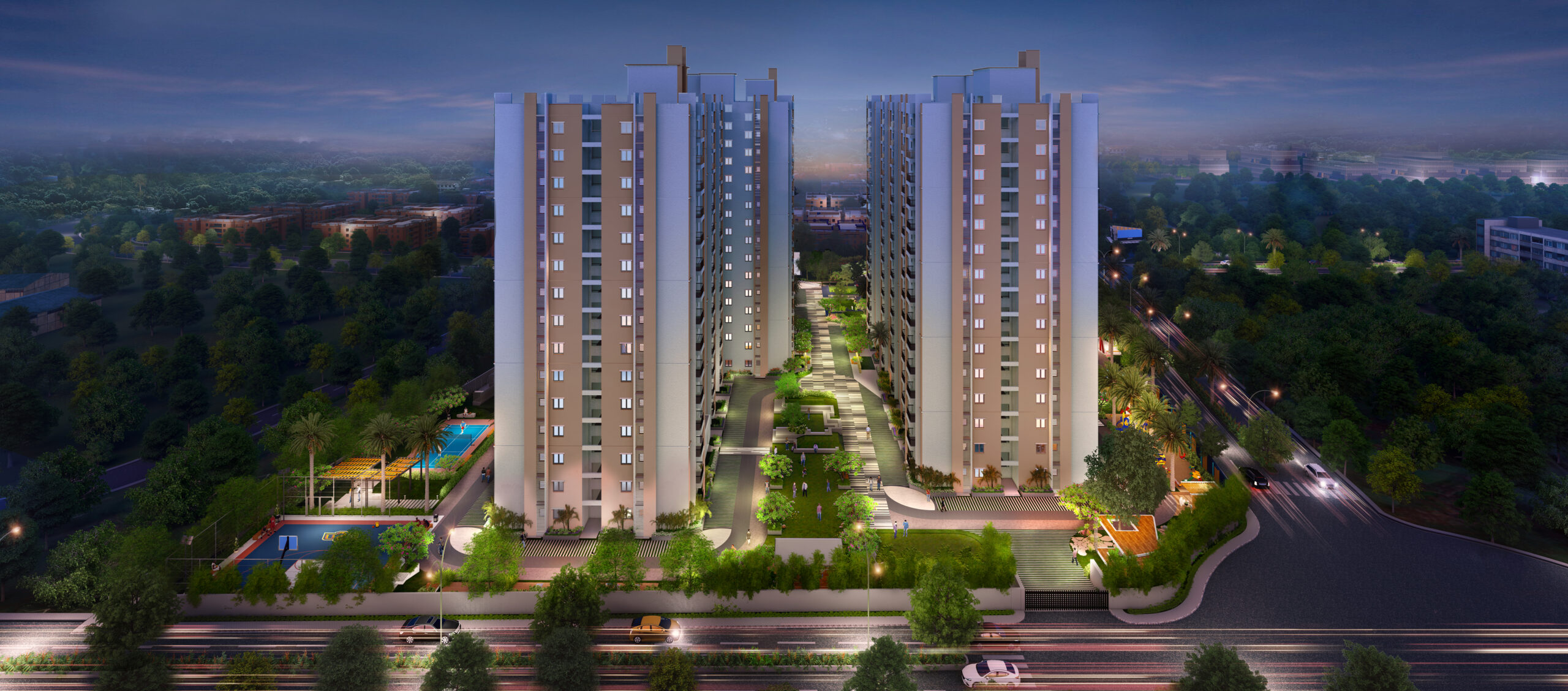
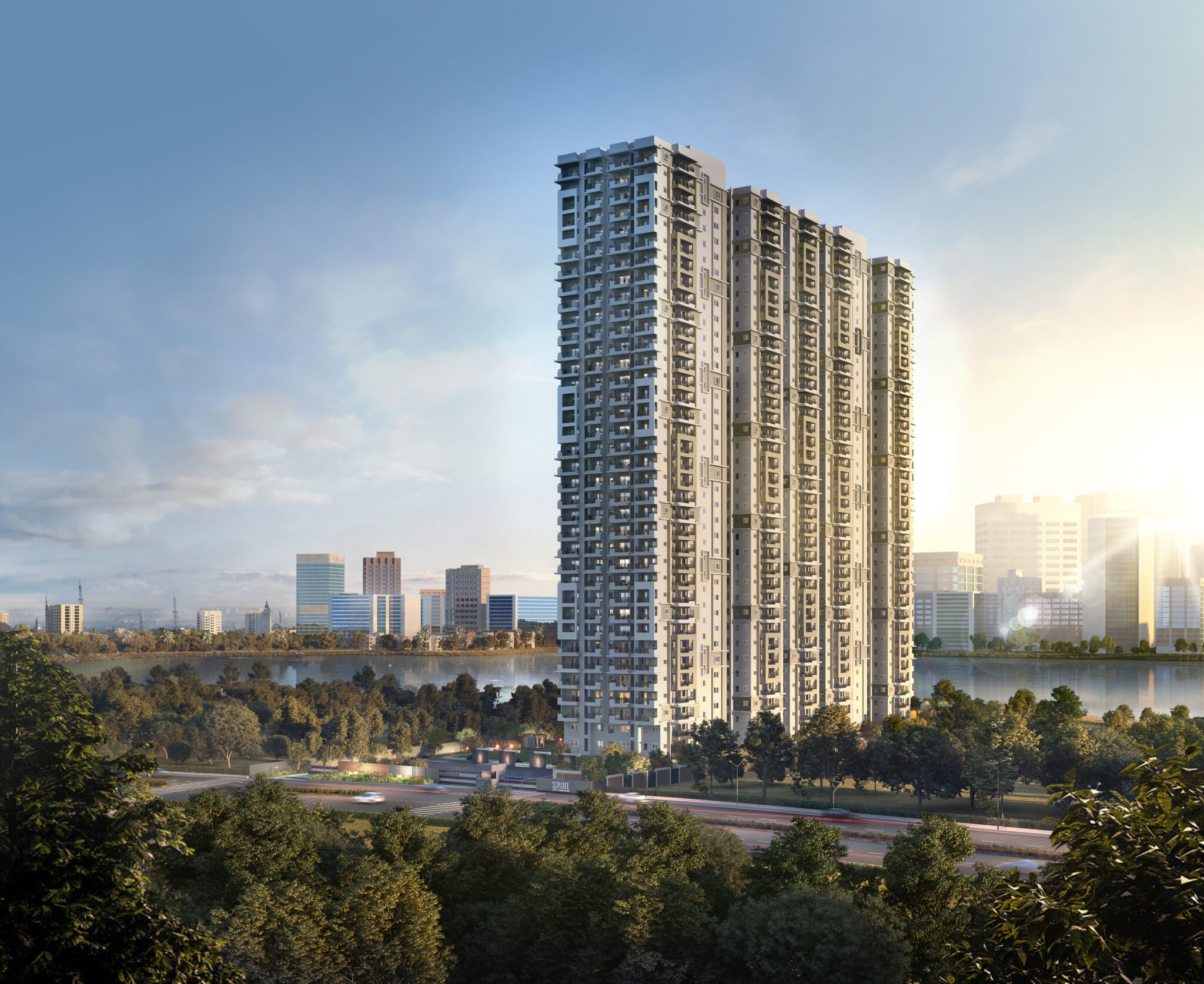
Own Your Dream Now! 3 BHKs in Kokapet | Ready to move | Premium Lake Facing Apartments
Live Where You Work | Spacious 3 BHKs in the Heart of the Financial District | From ₹2.25 Cr .
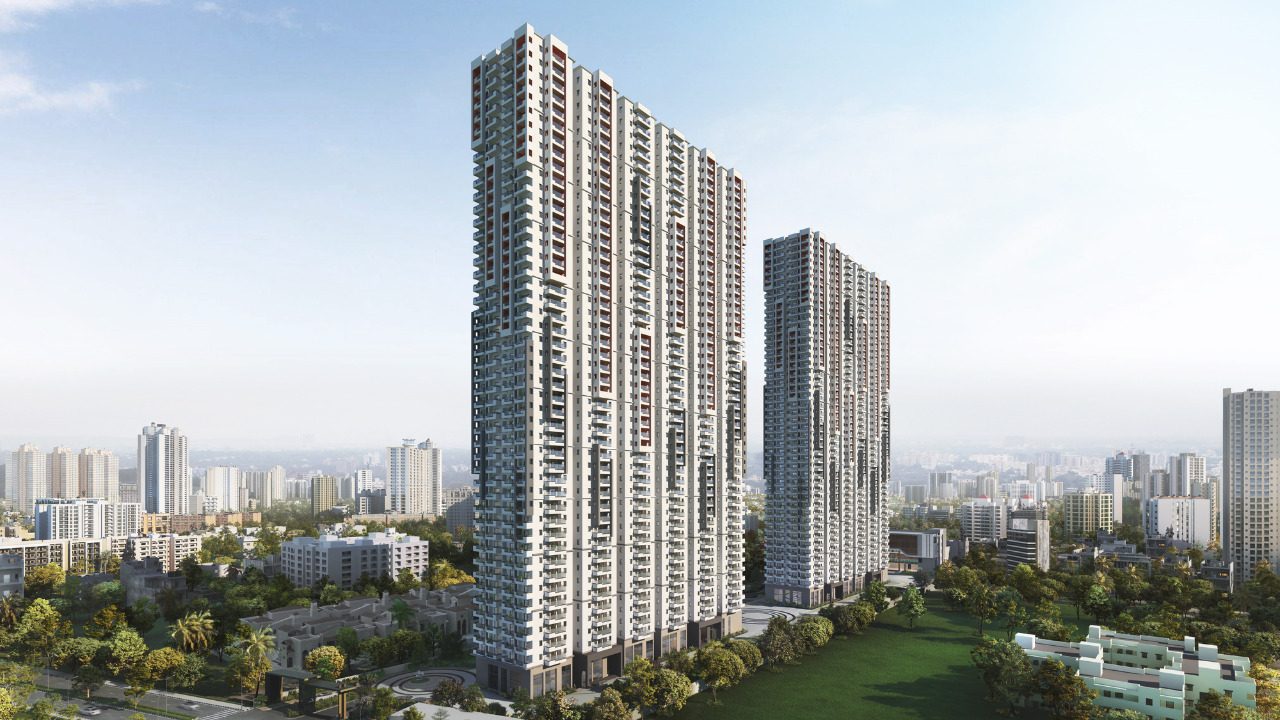
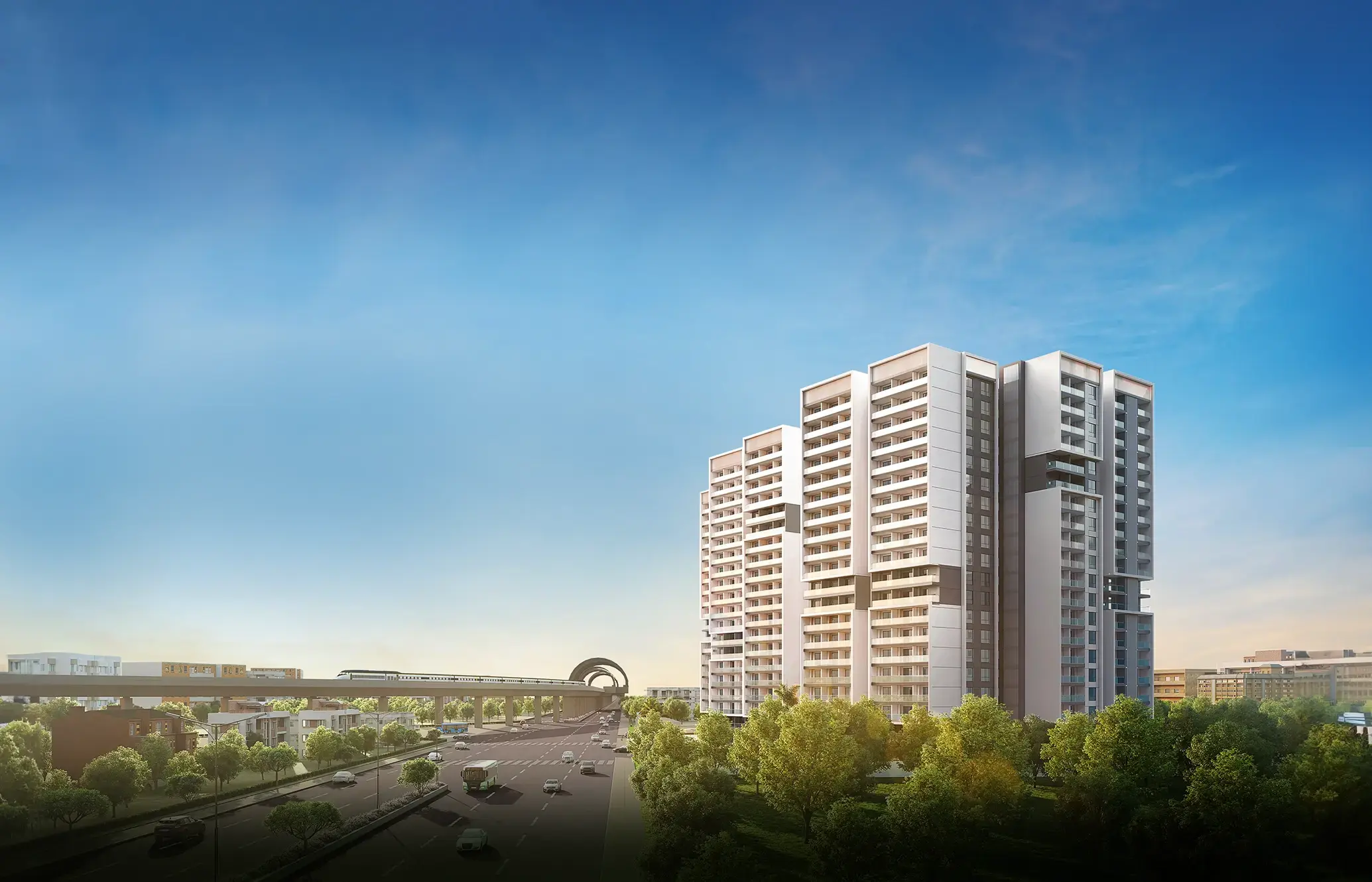
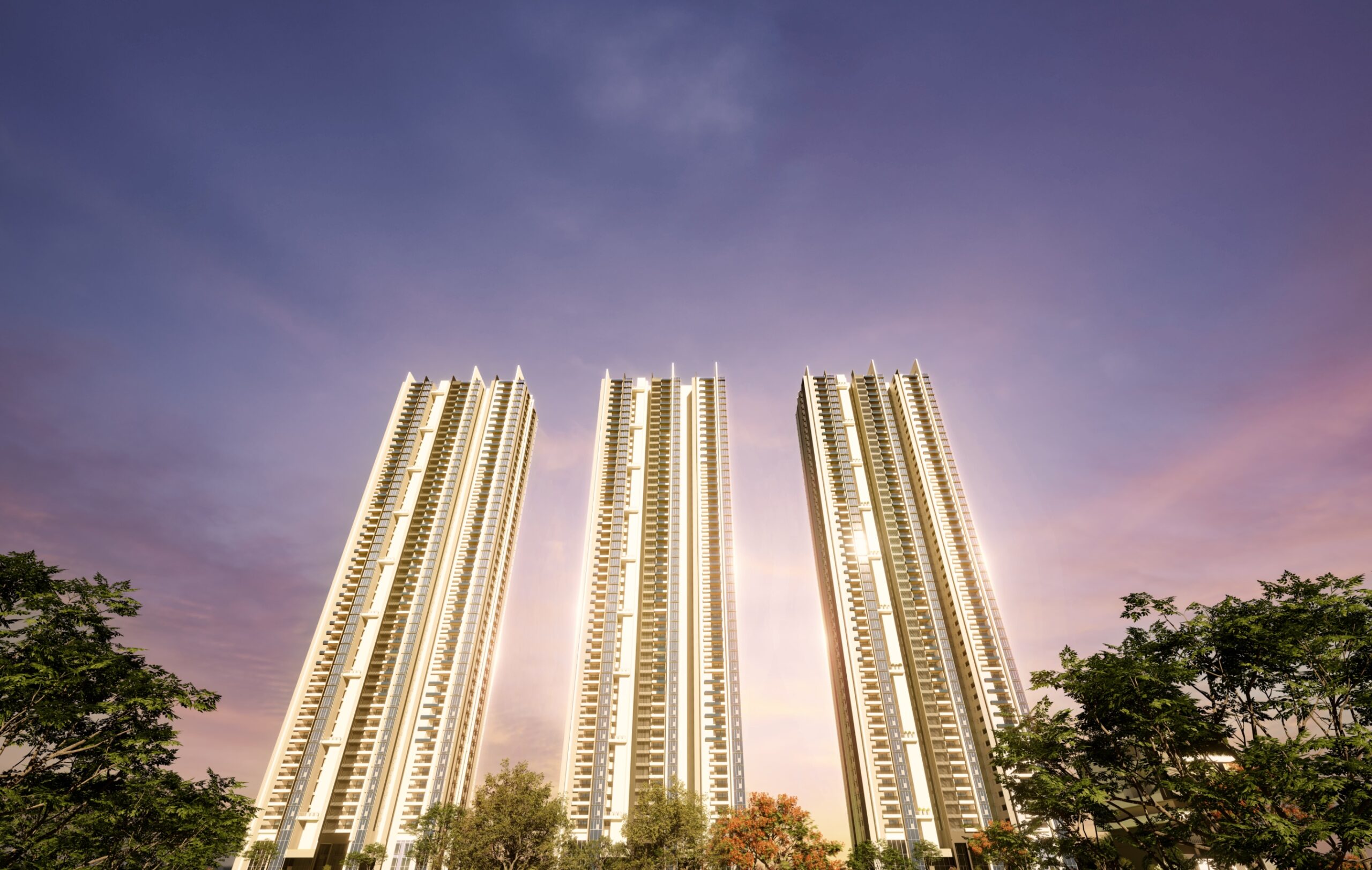
Exclusive 3BHKs | Experience the city’s rhythm in Financial District | Starting at 2.5 Crs
Our Projects
Own Your Dream Now! 3 BHKs in Kokapet | Ready to move | Premium Lake Facing Apartments
Live Where You Work | Spacious 3 BHKs in the Heart of the Financial District | From ₹2.25 Cr .
Exclusive 3BHKs | Experience the city’s rhythm in Financial District | Starting at 2.5 Crs