Basic Amenities: Essential Features For Multigenerational Living
Understanding Family Dynamics: The Need for Multigenerational Living
Why basic amenities shape multigenerational homes
Multigenerational living isn’t just a trend; it’s a smart approach to family life. Families benefit from spending more time together, which strengthens bonds and traditions. However, this arrangement only works effectively if basic amenities are accessible for everyone. Basic amenities include a reliable water supply, safe sanitation, easy access to homes, nearby parks, and walkable streets. For older adults, features like standard toilet heights and minimal steps are essential. Kids require safe play areas with adequate lighting. Urban planning that clusters these amenities can significantly enhance family life. You can read more about urban planning. Public spaces are also crucial as they provide opportunities for different generations to connect [source].
Practical checklist and layout
| Amenity | Benefit for Multigenerational Families | Design Tip |
|---|---|---|
| Ground-floor bedroom | Senior safety, caregiving | Easy access, non-slip flooring |
| Accessible toilet | Independence for elders | Grab bars, raised seat |
| Nearby park/walkway | Daily exercise, social mixing | Benches, shade |
| Flexible kitchen | Shared meals, help with childcare | Multiple prep zones |
Unveil the 50-50 payment plan
How to choose a home
When looking for homes, focus on those that are walkable and conveniently located near essential services. Walkability not only reduces car dependency but also promotes frequent family interactions. Always review the gated community’s amenity lists and maintenance rules before making a commitment; our internal guide provides practical steps for this.
Essential Elements of Room Privacy
Private rooms are absolutely essential in multigenerational homes. They enable each generation to recharge and maintain their dignity. Key aspects of room privacy include light, ventilation, adequate storage, and sound control. Additionally, a lockable door is fundamental. Translation also plays a significant role in ensuring every family member understands their space.
Room layout and basic amenities
Rooms should be arranged for easy access. Older adults benefit from ground-floor or lift options, and it’s ideal for bedrooms to be located near bathrooms to minimize nighttime trips. Natural light and ventilation contribute to a healthy living environment, while built-in storage helps keep spaces organized. For layout guidance, refer to this [space planning resource] for assistance.
Noise control, locks, and basic amenities
Sound separation is essential for comfort. Using solid-core doors, thick curtains, and bookcases can provide effective noise buffers. Furthermore, installing simple locks that seniors can handle easily is advisable. Smart switches enhance accessibility for everyone. For more retrofit advice, consider this [renovation guide].
Quick comparison table (India approximate costs)
| Feature | Purpose | Approx Cost (INR) |
|---|---|---|
| Solid-core door | Privacy and noise reduction | 6,000–12,000 |
| Attached bathroom | Convenience for elders | 40,000–1,50,000 |
| Window AC/exhaust | Comfort and ventilation | 18,000–45,000 |
| Simple smart lock | Safety with easy access | 3,000–8,000 |
Safety, dignity, and flexibility
Ensure visibility for caregivers while providing privacy for residents. Rooms should be adaptable, capable of transitioning between guest, study, and bedroom spaces. Research has shown the significant benefits of a well-designed blend of private and public spaces for overall wellbeing. Easy access to nearby parks furthers the promotion of multigenerational health.
Accessibility Meets Comfort
When families encompass several generations, design needs to balance safety and dignity. Begin with lift access, step-free pathways, and clearly defined walkways. Adding grab rails, non-slip flooring, and seating near entrances significantly enhances the living experience for older adults while also reducing the stress on caregivers [source].
Basic amenities for seniors: lift access and mobility-friendly layouts
Lifts should come equipped with priority controls and have ample space for wheelchairs. Ensure level entry thresholds and wide doors and corridors to accommodate mobility aids. Group bedrooms and bathrooms together to minimize stairs. Always check elevator maintenance records to ensure they are operational.
Quick specs table
| Feature | Recommended Size/Spec |
|---|---|
| Ramp slope | 1:12 max |
| Door width | 900 mm or more |
| Lift cabin | 1100 x 1400 mm |
| Corridor width | 1200 mm+ |
Safety First: Bathroom and General Safety Considerations
When different generations share a home, it is critical to ensure that basic amenities support mobility, privacy, and overall comfort. Bathrooms should feature slip-resistant flooring, grab bars, raised toilets, and handheld showers. Proper sound insulation between bedrooms is important to maintain the peace for both seniors and children. Clear pathways with abundant lighting can significantly reduce fall risks.
Practical checklist
– Bathroom: Non-slip tiles, walk-in shower, grab rails, anti-scald mixers.
– General: Soundproofing, night lights, handrails on stairs, lever handles for doors.
– Systems: Reliable water supply, emergency call button, effective drainage.
Quick cost and spec table (India estimates)
| Feature | Recommended Spec | Typical Cost (₹) |
|---|---|---|
| Non-slip bathroom tiles | R10+ rating | 200–500/sq ft |
| Grab bars & raised toilet | Stainless steel bars, 20–30 cm rise | 1,500–8,000 |
| Walk-in shower curb | Low threshold or wet-room | 5,000–20,000 |
| Sound insulation | 60–65 dB reduction target | 150–400/sq ft |
| Night lighting & sensors | LED motion lights | 500–3,000 |
Tips for choosing a home with basic amenities
– Inspect the bathrooms during visits, test those grab bars and taps.
– Inquire about wall and floor finishes that combat slips and noise.
– If stairs are a concern, preference should be given to ground- or low-floor units.
– Review builder maintenance rules and amenities lists to ensure you’re getting what was promised for the long term.
Creating a Harmonious Community Culture
In a multigenerational home, it is crucial to establish shared spaces that encourage interaction, safety, and comfort. Basic amenities play a significant role in facilitating easier living experiences and ensuring that every resident feels a sense of belonging. When various generations come together, it is vital to incorporate amenities that accommodate children, adults, and seniors alike. Common assets include nearby parks, clubhouses, and walkable designs that foster social interaction and promote health.
Why basic amenities matter
Clear community rules and thoughtfully-planned facilities can minimize friction between neighbors. Amenities such as parks, seating, and activity rooms create opportunities for social gatherings, fostering a community atmosphere. Moreover, better amenities enhance safety, promote daily physical activity, and improve mobility for both children and older adults. Developers recognize these benefits and highlight them to attract families and increase property values.
Practical amenity table
| Amenity | Benefit | Best For |
|---|---|---|
| Neighborhood park | Play, exercise, social meetups | Kids, seniors |
| Clubhouse/community hall | Events, classes, meetings | All ages |
| Safe walkways | Daily walks, mobility aid access | Seniors, adults |
| Creche/playroom | Childcare, social learning | Young families |
Tips for harmony and inclusion
1. Establish shared hours and booking protocols for facilities.
2. Ensure ramps, benches, and shaded paths are easily accessible for older adults.
3. Offer engaging yet manageable fitness classes suitable for all ages.
4. Utilize noticeboards and apps for community events and maintenance requests.
5. Get neighbors involved in rule definition to promote a sense of ownership.
For comprehensive guidance on managing shared spaces and rules within gated communities, refer to our internal guide on utilizing shared amenities.
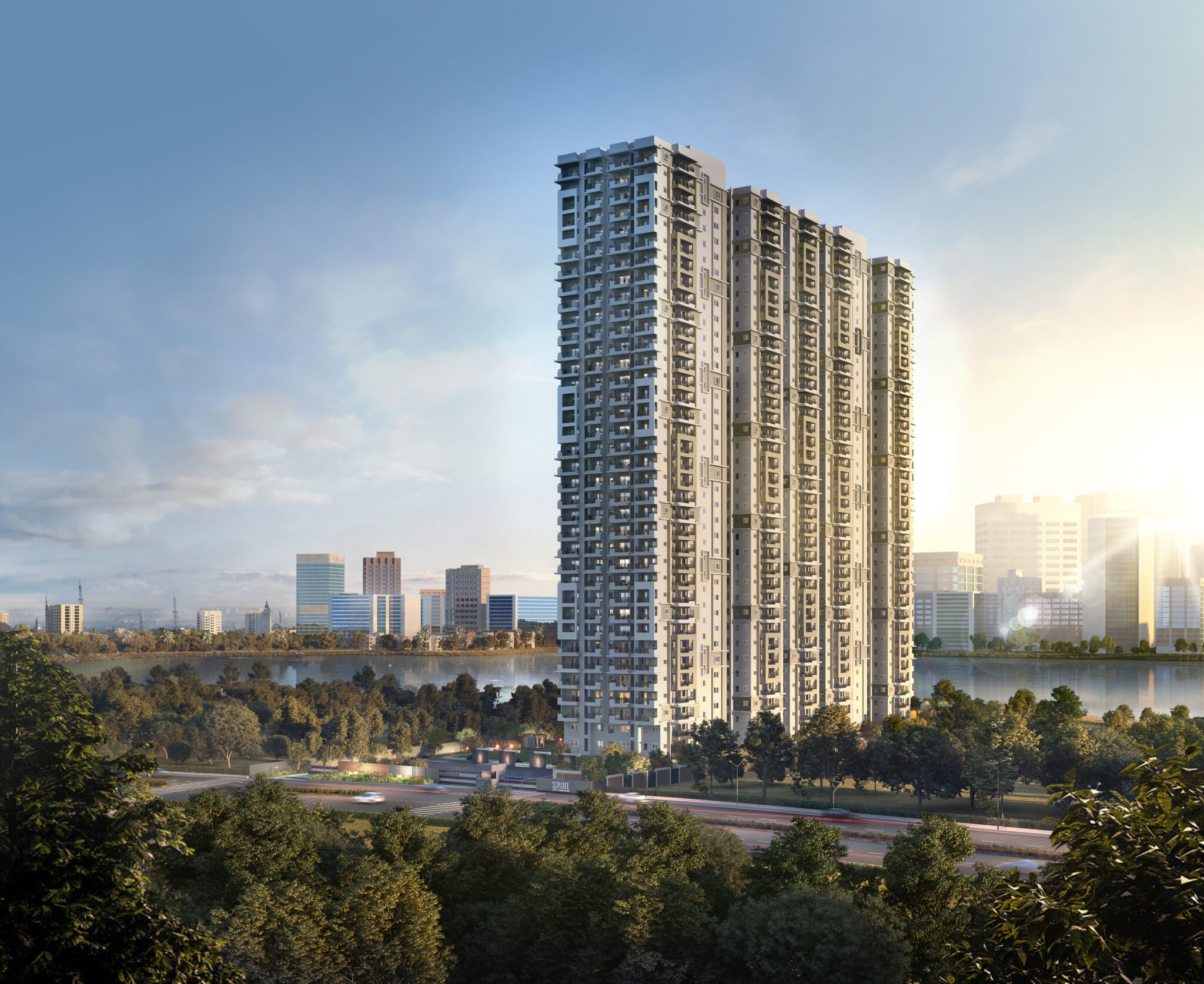
Own Your Dream Now! 3 BHKs in Kokapet | Ready to move | Premium Lake Facing Apartments
Live Where You Work | Spacious 3 BHKs in the Heart of the Financial District | From ₹2.25 Cr .
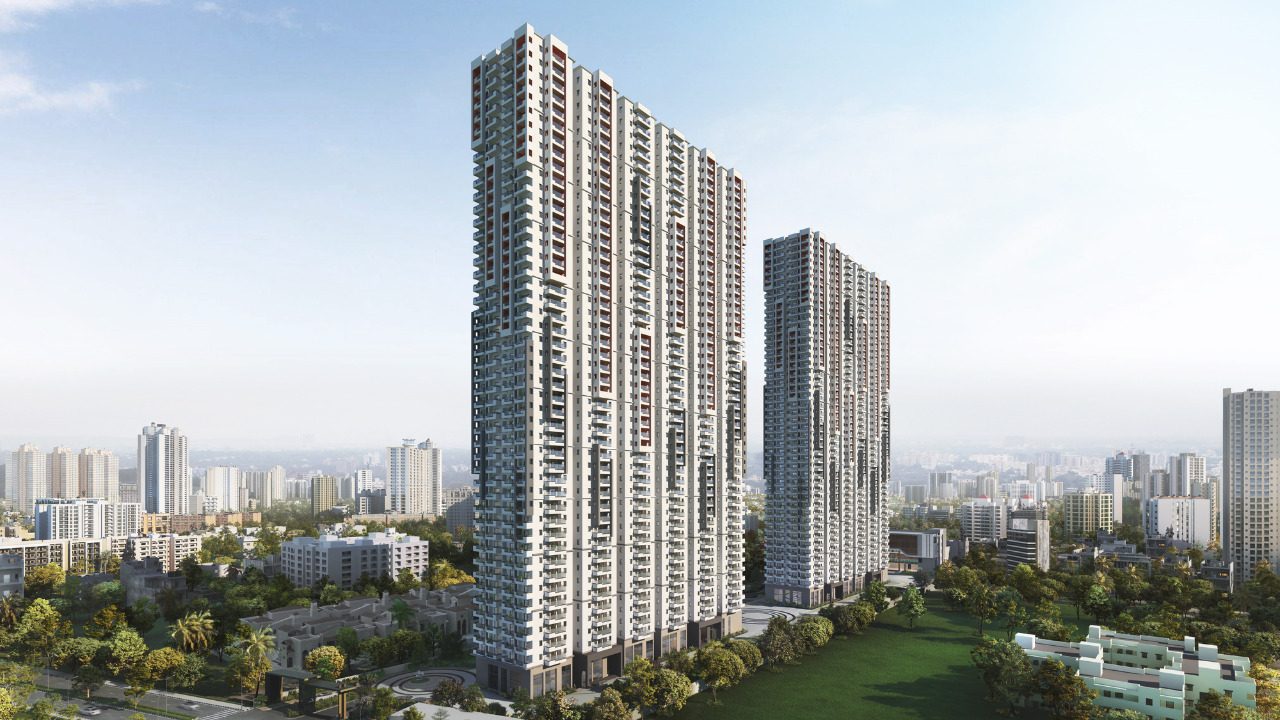
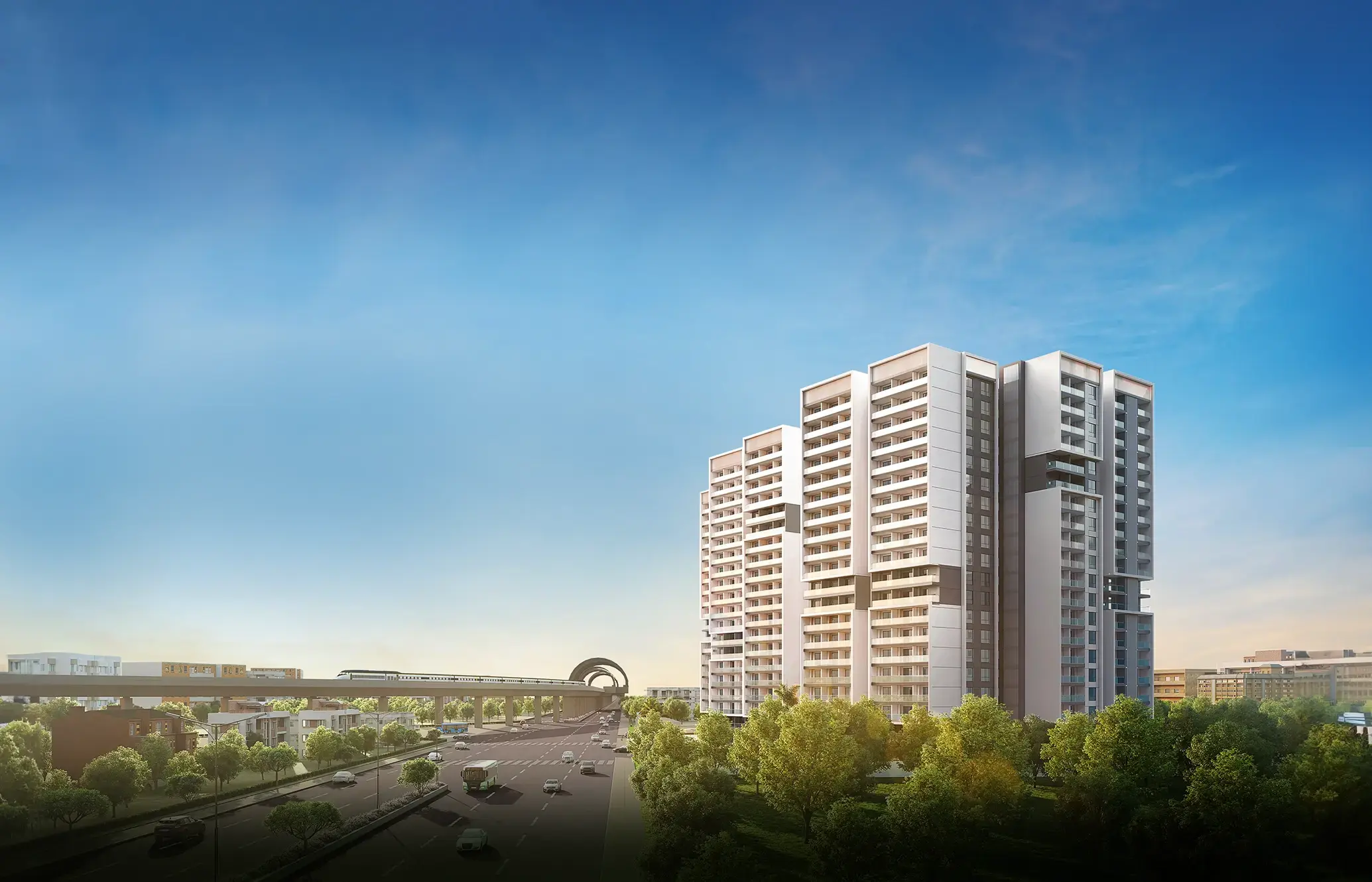
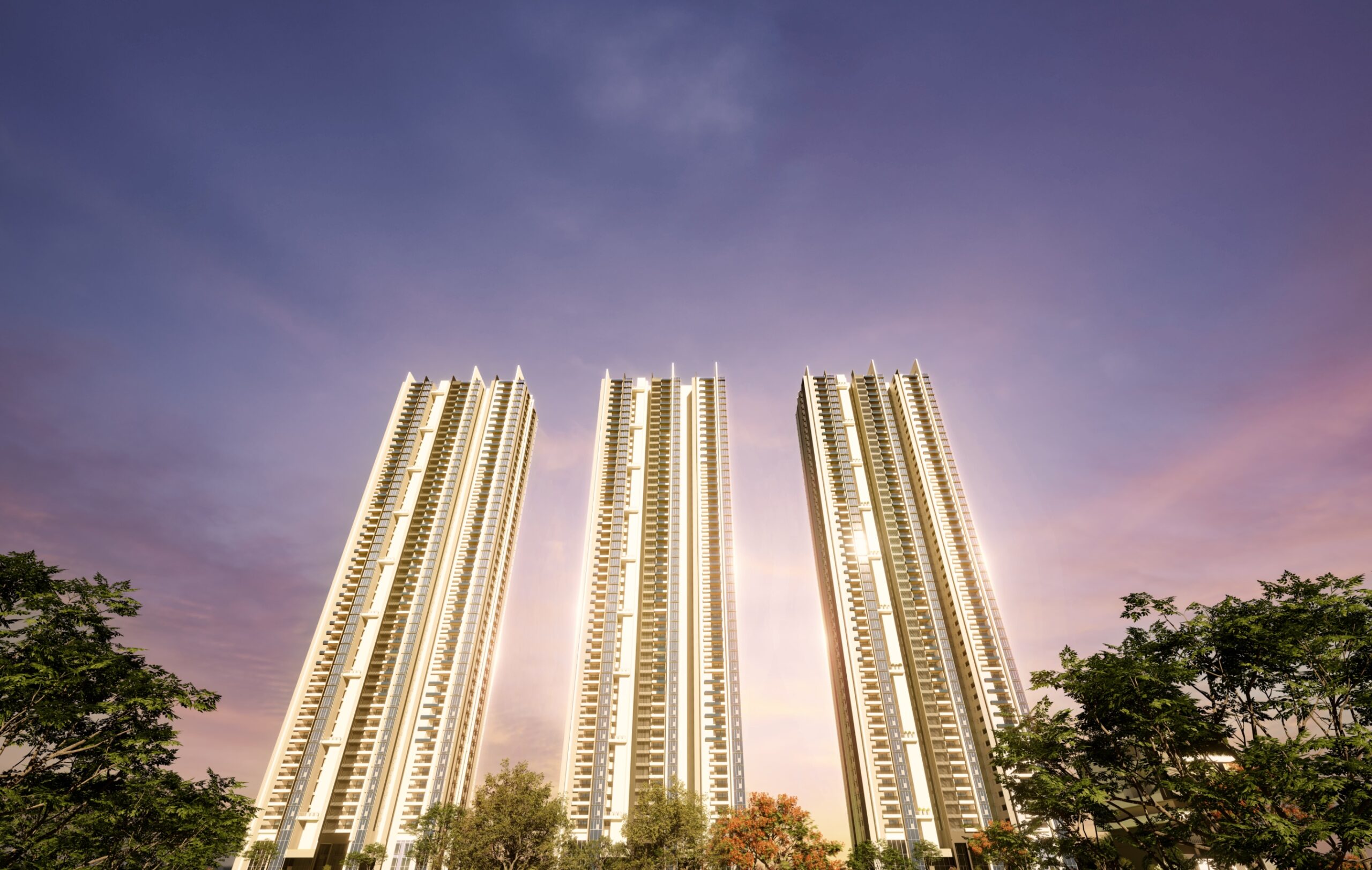
Exclusive 3BHKs | Experience the city’s rhythm in Financial District | Starting at 2.5 Crs
Our Projects
Own Your Dream Now! 3 BHKs in Kokapet | Ready to move | Premium Lake Facing Apartments
Live Where You Work | Spacious 3 BHKs in the Heart of the Financial District | From ₹2.25 Cr .
Exclusive 3BHKs | Experience the city’s rhythm in Financial District | Starting at 2.5 Crs