Agreement To Sale: Uncover Crucial Insights For New Buyers!
Understanding the Pre-Construction Sale Agreement
What’s an agreement to sale?
A pre-construction agreement to sale is a written promise from the builder to sell you a flat once the construction is completed. It outlines the price, payment plan, handover date, and penalties applicable if obligations are not met. For buyers, it’s crucial as it protects payment terms and reinforces the right to possession. However, it’s important to note that ownership has not yet changed hands. For the legal specifics, refer to the definitions in the Sale of Goods Act [here].
Key Clauses to Watch
- Price, payment milestones, and interest for late payments.
- Possession dates, liquidated damages, and force majeure clauses.
- Quality standards, a list of amenities, and defect liability periods.
- Rules for cancellation, refunds, and assignment of rights.
These clauses are essential for ensuring the sale contract is enforceable and clear.
Unveil the 50-50 payment plan
Quick Differences Table
| Feature | Agreement to Sale | Sale Deed |
|---|---|---|
| Ownership transfer | No, future | Yes, immediate |
| Registration required | Often recommended | Mandatory |
| Risk before possession | Buyer may bear risk | Seller bears risk |
Why Buyers Must Care
New buyers tend to focus solely on the price. However, understanding the difference between a sale and an agreement to sell is crucial to avoid future complications. For instance, delayed possession can lead to unexpected costs. It’s essential to establish clear timelines, penalties, and ensure that RERA registration is in order. For further insights on hidden costs in pre-construction purchases in India, check this article [here].
Use this checklist before you sign:
- Verify builder credentials.
- Confirm RERA details.
- Read the payment schedule thoroughly.
- Consider a legal review of the sale contract agreement.
Be confident that your possession and investment are secure before you commit.
Key Components of the Agreement to Sale
What an agreement to sale must state:
An effective sale agreement should outline every aspect of the property transaction. This includes naming the buyer and seller, detailing the flat or plot, and specifying the sale price. Timelines for payments, possession dates, defect liability periods, and conditions for handover should all be explicitly stated. Additionally, a list of finishes and amenities provided needs to be included.
Payment Schedule Basics
A clear payment schedule is essential to protect both parties. It typically includes booking amounts, token fees, installments linked to construction phases, and payments due upon registration. The agreement should detail exact amounts, due dates, interest on late payments, and stipulations if a cancellation occurs. Be sure to confirm builder subvention or CLP terms before proceeding.
Possession Timelines, Penalties, and Buyer Rights
A rock-solid possession date is a must. The agreement should articulate grace periods, conditions for liquidated damages due to delays, and methods for claiming compensation. Force majeure clauses and arbitration steps can be crucial here. Understanding RERA and stamp duty rules significantly impacts enforceability.
Quick Reference Table: Key Clauses
| Clause | What it covers |
|---|---|
| Property specs | Carpet area, floor, parking, fittings |
| Payment plan | Stages, amounts, escrow or CLP method |
| Possession & penalties | Handover date, LD rate, extension terms |
Notes on Terminology
Understanding the differences between the sale and agreement to sell, as well as the nuances involved in the sale, is vital before signing any document. For comprehensive insights into project handovers, visit our guide on allotment letters and sale deeds [here].
Penalties and Protections: What Buyers Should Know
What penalty clauses protect you?
A well-structured agreement to sale should clearly define penalties for delays, poor quality, or title issues. Builders often pledge possession by a set date. If they fail to meet this commitment, buyers have the right to claim liquidated damages or seek a refund with interest. Additionally, defect liability clauses compel builders to rectify any flaws within a specified timeframe. For standard clause samples, refer to this legal source [here].
Quick Facts Table
| Clause | Buyer protection | Typical remedy |
|---|---|---|
| Delayed possession | Right to compensation or exit | Liquidated damages or refund with interest |
| Defect liability period | Repair of defects post-handover | Free repairs within one year; structural warranty longer |
| Title/Encumbrance | Clear title before sale deed | Cancellation or indemnity from builder |
How these differ from a sale contract agreement
It’s crucial to differentiate that an agreement to sale provides a promise for future title transfer based on specified conditions, while a sale deed facilitates immediate ownership transfer upon registration. This distinction is critical regarding possession and risk perceptions.
Practical Buyer Tips
- Closely examine penalty rates and triggers; inquire about caps and timelines.
- Ensure the defect liability period is both written and measurable. For more information, see [this explainer].
- Always verify RERA registration and track records of the builder before signing, it reduces risk and supports your claims regarding delays or non-compliance. More insights can be found [here].
In summary, incorporating clear penalty clauses in your agreement to sale safeguards your investment and expedites your transition toward securing a title.
Agreement to Sale: Agreement to Sell vs. Sale Deed – What’s the Difference?
What they are
An agreement to sale is a contract where the seller agrees to transfer property at a future date. Ownership isn’t transferred immediately; the buyer gains contractual rights while the title remains with the seller.
How a sale deed differs
Conversely, a sale deed represents the actual transfer of ownership and title once registered. Upon registration, all risks and rights are transferred to the buyer. This clearly delineates the distinction between a sale and an agreement to sell in practical terms.
Quick Comparison Table
| Feature | Agreement to Sale | Sale Deed |
|---|---|---|
| Nature | Promise to transfer | Actual transfer |
| Title | No | Yes (after registration) |
| Registration | May be necessary for enforceability | Compulsory for validity |
| Risk | Remains with seller | Shifts to buyer |
| When used | Booking, installments, conditions | Final possession and ownership |
Practical Tips for Buyers
Read your agreement meticulously. Cross-verify builder credentials and RERA registration. Confirm timelines, payment plans, and exit clauses. Once everything appears in order, promptly register the sale deed and pay your stamp duty to secure your title. For an overview linking agreements with allotment letters and sale deeds, check out our internal guide [here].
Understanding the variations between a sale and an agreement to sell can significantly minimize disputes in the future. Request precise clauses and timely registration to ensure the protection of your investment.
The Importance of a Well-Crafted Sale Contract Agreement
Why an agreement to sale matters
A well-formulated agreement to sale is crucial for new buyers entering pre-construction ventures. It secures the price, payment schedule, and anticipated delivery date. It also outlines penalty clauses for any breaches or delays. Additionally, the agreement specifies what documents the builder must provide upon handover.
Key Clauses Every Sale Contract Agreement Must Include
- Identification of parties and property details.
- Thorough payment plan along with refund terms.
- Possession dates plus penalties for delays.
- Defect liability and warranty details.
- Force majeure regulations and conflict resolution mechanisms.
Don’t forget to register your agreement and retain all payment receipts! For a practical checklist, browse our builder-buyer agreement clauses on our site [here].
Quick Legal Differences in One Table
| Feature | Sale | Agreement to Sell |
|---|---|---|
| Title transfer | Immediate transfer | Future transfer upon completion |
| Risk | Buyer bears risk | Seller bears risk until sale is finalized |
| Registration | Required for the final deed | Registration is advised to secure rights |
How to Act Before You Sign
Carefully examine each clause. Request project approvals and RERA registration details. Keep organized records of all payments and corresponding receipts. If in doubt, seek legal advice. Ultimately, a well-crafted sale contract agreement can save you money, curb disputes, and promote a seamless journey toward acquiring your dream home!
FAQ
- What is the difference between an agreement to sale and a sale deed?
An agreement to sale is a promise to transfer property rights in the future, while a sale deed is the means through which ownership is transferred upon registration. - Why is it important to have a payment schedule in a sale agreement?
A payment schedule protects both the buyer and seller by clarifying expectations regarding the amounts, due dates, and consequences of late payments. - What should be included in the agreement to sale for buyer protection?
The agreement should detail penalties for delays, timelines for possession, defect liability periods, and the quality of materials used in construction. - How can a buyer verify a builder’s credentials?
Buyers can verify a builder’s credentials by checking RERA registration, reviewing past project performances, and seeking reviews or ratings from previous buyers.
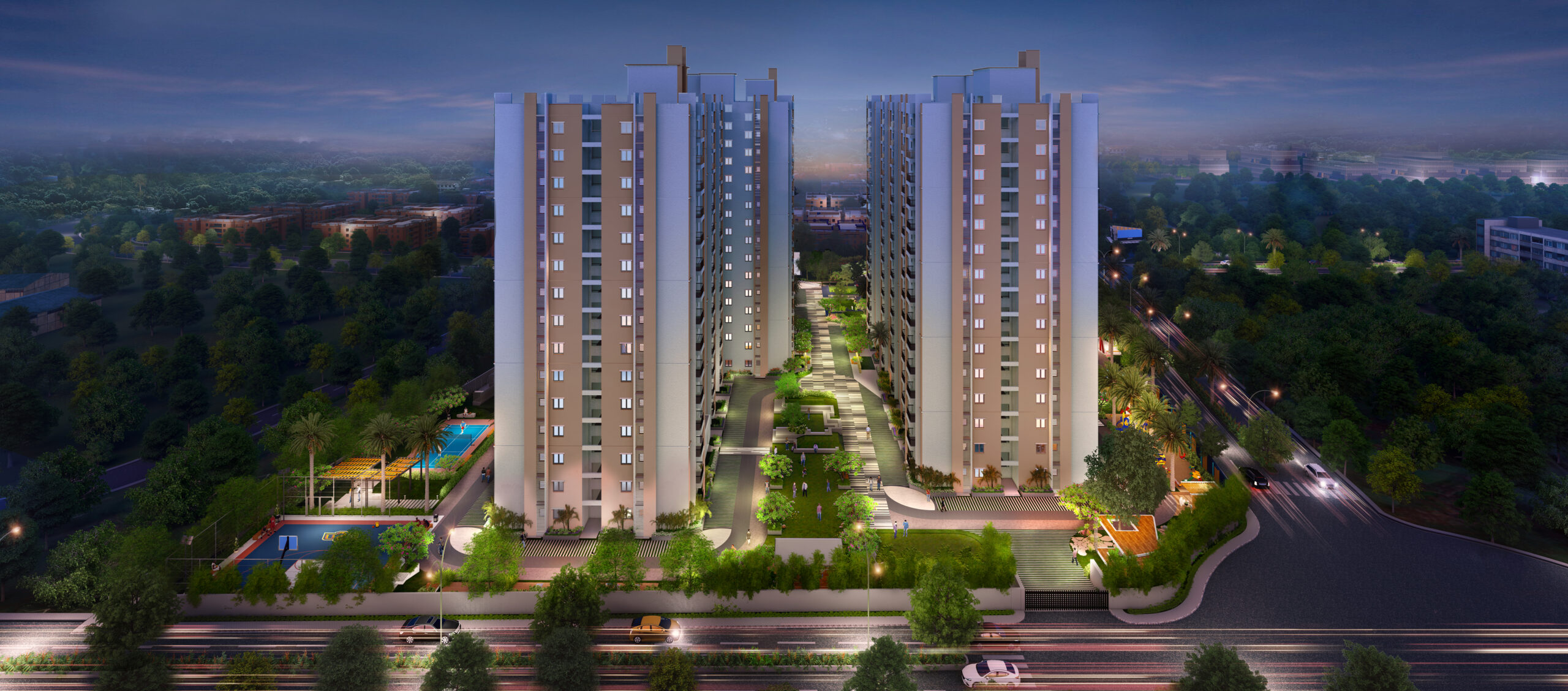
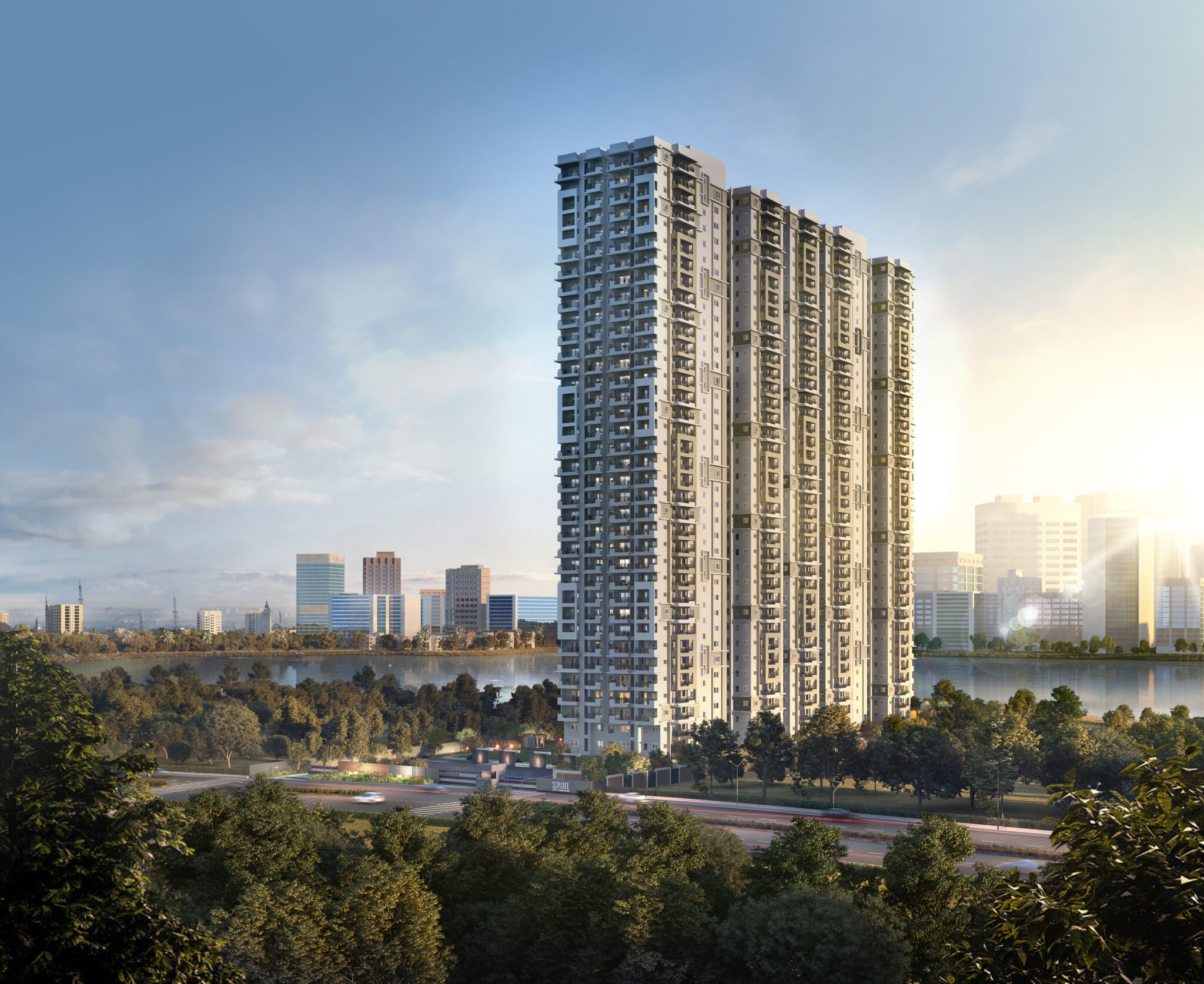
Own Your Dream Now! 3 BHKs in Kokapet | Ready to move | Premium Lake Facing Apartments
Live Where You Work | Spacious 3 BHKs in the Heart of the Financial District | From ₹2.25 Cr .
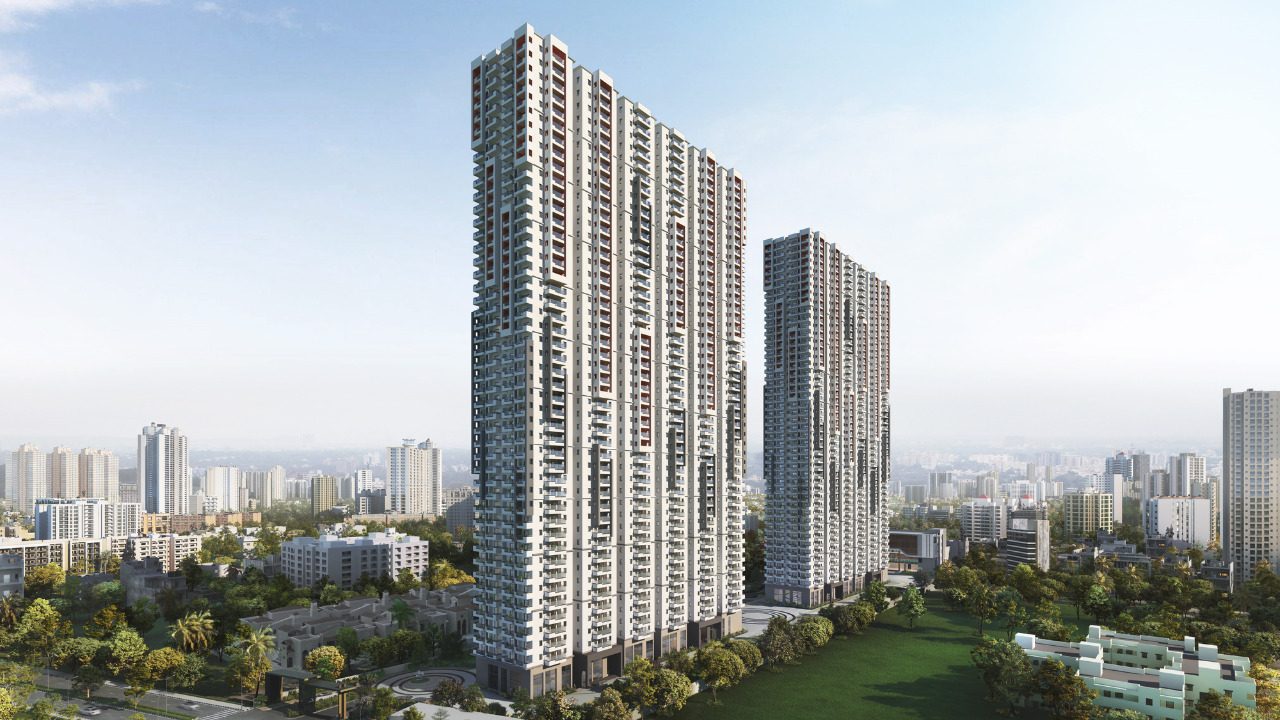


Exclusive 3BHKs | Experience the city’s rhythm in Financial District | Starting at 2.5 Crs
Our Projects
Own Your Dream Now! 3 BHKs in Kokapet | Ready to move | Premium Lake Facing Apartments
Live Where You Work | Spacious 3 BHKs in the Heart of the Financial District | From ₹2.25 Cr .
Exclusive 3BHKs | Experience the city’s rhythm in Financial District | Starting at 2.5 Crs