Homebuyer Consumer Rights: Are You At Risk of Losing Them?
- 1 Homebuyer Consumer Rights in India
- 2 Impact of Supreme Court Ruling on Homebuyer Consumer Rights
- 3 Legal Obligations of Builders Regarding Homebuyer Consumer Rights
- 4 How Homebuyer Consumer Rights Affect Renting Residential Flats
- 5 Supreme Court Guidance on Homebuyer Consumer Rights in Real Estate
- 6 How to act if you face a builder dispute while renting your flat
- 7 Conclusion of practical steps
- 8 FAQ
Homebuyer Consumer Rights in India
Homebuyer consumer rights protect individuals who purchase homes, safeguarding them from issues like construction flaws, delays, and challenging contracts. In India, laws exist to assist buyers when builders fail to meet obligations. Clarification arises when a buyer rents out their newly purchased flat before moving in or if they reside elsewhere. Thankfully, the Supreme Court of India has intervened to clarify these situations, making it essential for both homebuyers and builders to heed this ruling.
Being a consumer means anyone who buys goods for personal use. In real estate, signing a sale agreement with a builder classifies you as a consumer. This status allows you to escalate complaints to consumer courts, which is beneficial. Critically, these rights remain intact, even if you opt to rent out the property. Unless the builder can demonstrate otherwise, you retain these protections. This principle is designed to prevent individuals from being taken advantage of by large developers.
Homebuyer rights include robust protections. If there are delays, you can claim compensation. Identified construction defects can prompt demands for repairs. Unfair contract clauses are subject to challenge. Consumer courts possess the authority to revisit old contracts and impose penalties on builders if required. Thus, pursuing consumer rights is a viable option.
However, there are restrictions. If a buyer is operating in a commercial capacity, this alters the circumstances. Courts evaluate whether the transaction is intended for profit rather than personal use. So, if you are flipping properties for profit, you might forfeit these protections. Simply renting, however, requires substantial evidence from builders to dismiss consumer rights.
Unveil the 50-50 payment plan
Impact of Supreme Court Ruling on Homebuyer Consumer Rights
The Supreme Court’s decision indicates that homebuyers who rent their flats retain their consumer rights. Builders must now establish that a buyer is operating commercially; otherwise, the buyer is considered a consumer under the law. This shifts the responsibility onto builders to prove a buyer’s commercial activities.
Previously, some builders avoided accountability by asserting that renters represented commercial parties. They attempted to promote the notion that renting out a flat constituted a business endeavor. However, the court rejected this argument, clarifying that most casual renters retain their rights.
Practically, this decision is transformative for ongoing and future claims. Buyers who were previously denied claims due to renting may now have their concerns revisited. Consumer courts will evaluate each case’s specifics carefully. For instance, a family renting a flat to cope financially would likely still be viewed as a consumer, while an individual acquiring flats for profit might not qualify.
This ruling acknowledges the reality of the housing crisis, recognizing that many individuals are forced to lease properties due to job relocations or financial issues. Revoking rights simply for renting alongside ownership would be excessively punitive. Courts will now scrutinize the context before stripping protections from individuals.
Legal Obligations of Builders Regarding Homebuyer Consumer Rights
Following the ruling, builders have distinct obligations that must be acknowledged. They must recognize that renting out a flat typically preserves a buyer’s consumer status. Additionally, they need robust evidence to counter this standing if necessary. General claims will not suffice.
Builders are required to adhere to their agreements, ensuring timely delivery of properties, resolving defects, and responding promptly to complaints. Fair contract terms are essential; if builders attempt to include fine print to evade liability, courts will likely disregard such terms.
Clear documentation is imperative for builders. If they assert you are engaged in commercial activity, they should substantiate that claim with transaction histories or advertising documentation. Without proof, their argument stands on shaky ground.
| Factor assessed | If buyer rents one flat | If buyer buys and lets many flats |
| Pattern of transactions | Single or occasional let supports consumer status | Repeated purchases and lets suggest commercial intent |
| Evidence required from builder | Minimal; cannot shift burden without proof | Detailed records, marketing evidence, or trading behavior |
| Likely forum for dispute | Consumer forum | Civil court or commercial tribunal |
| Practical outcome | Consumer protections apply | Possibly excluded from consumer laws |
Builders need to be wary of dispute resolution clauses. While arbitration clauses might be included, they cannot assume courts will automatically uphold these if they aim to dismiss consumer claims. Caution in drafting terms is critical. Clear timelines and effective communication can help avert future complications.
How Homebuyer Consumer Rights Affect Renting Residential Flats
Renting out a flat has become commonplace, whether due to job relocations, studying, or investment purposes. Importantly, simply renting does not waive homebuyer consumer rights. The intent is a vital consideration.
Consider a few scenarios. If you purchase a flat but later need to move for work and consequently rent it out while encountering construction issues, you can approach consumer courts, which will likely hear your case. However, purchasing multiple flats for rental purposes could lead to a different set of challenges.
Short-term rental platforms introduce additional nuances. Listing your flat for occasional weekend rentals does not necessarily indicate commercial intent. Context is what ultimately matters.
Here are practical steps for buyers who rent:
– Retain tenancy agreements to illustrate incidental rentals.
– Avoid commercial-sounding language.
– Be cautious about purchasing multiple flats for rent as it might alter your classification.
– Maintain evidence supporting personal reasons for renting, such as relocation documents.
Tenant rights remain essential when renting. Responsibilities as a landlord do not diminish the right to address builder-related complaints. Tenants can report issues for you to communicate with the builder. Accountability is paramount.
Timeliness is crucial for consumer claims. Delay can undermine your case. Keep all documentation, particularly if disputes arise.
Supreme Court Guidance on Homebuyer Consumer Rights in Real Estate
The Supreme Court’s guidance clarifies critical definitions. First, “consumer” is a broad term, encompassing a variety of buyers. Moreover, builders must provide evidence if they aim to challenge a buyer’s consumer status; unfounded exclusion claims will not hold.
Moving forward, the implications include:
– Consumer courts will adopt a thorough fact-driven approach.
– Builders will now need compelling evidence to dispute buyer status.
– Homebuyers should feel empowered to advocate for their rights without fear of dismissal.
Key takeaways from the judgment and its application:
1. Presumption of consumer status. Courts will assume a buyer is a consumer unless proven otherwise.
2. Builders carry the burden of proof. They need concrete evidence of commercial activity.
3. Context is critical. Frequency and intent of renting will be examined.
4. Buyers still have recourse. They can seek compensation or repairs as necessary.
5. Arbitration clauses must be scrutinized—courts may not uphold those that unjustly restrict consumers.
| Situation | Likely legal position | Appropriate action for buyer |
| Single flat rented occasionally | Consumer status preserved | File complaint with consumer forum if needed |
| Multiple flats bought for letting | Possible commercial status | Consider civil remedies; consult counsel |
| Short-term platform rentals occasional | Consumer status likely | Keep tenancy records; approach promoter if defect found |
| Dispute over unfair clause | Clause may be struck down | Challenge clause in consumer forum |
How to act if you face a builder dispute while renting your flat
1. Gather documentation. Include sale agreements, receipts, emails, and your tenancy agreement, as well as photographs of defects.
2. Ensure written communication. Keep copies of all notices sent.
3. File with the consumer forum. Present your complaint promptly to the relevant district or state commission.
4. Seek legal advice. Engage a lawyer experienced in property and consumer rights for strategic support.
5. Maintain tenancy agreements. These can demonstrate your rental was incidental, positively influencing your case.
Conclusion of practical steps
This ruling significantly empowers regular buyers. Homebuyer rights remain intact when renting is merely incidental. Builders can no longer dismiss a buyer’s consumer status without appropriate evidence. Homebuyers who rent out their properties are now better positioned to uphold their consumer rights, fostering fairness in the real estate market.
FAQ
1.What are homebuyer consumer rights in India?
Homebuyer consumer rights protect individuals from issues related to construction flaws, delays, and unfair contract terms when purchasing property.
2.Can homebuyers lose their consumer rights if they rent their property?
No, according to the Supreme Court ruling, renting out a flat does not negate consumer rights unless the builder can prove commercial intent.
3.What should I do if a builder fails to address construction defects?
You can file a complaint with the consumer forum and seek compensation or repairs.
4.How can I ensure I maintain my consumer status if I rent my flat?
Keep tenancy agreements, avoid commercial language, and maintain evidence of your personal reasons for renting.

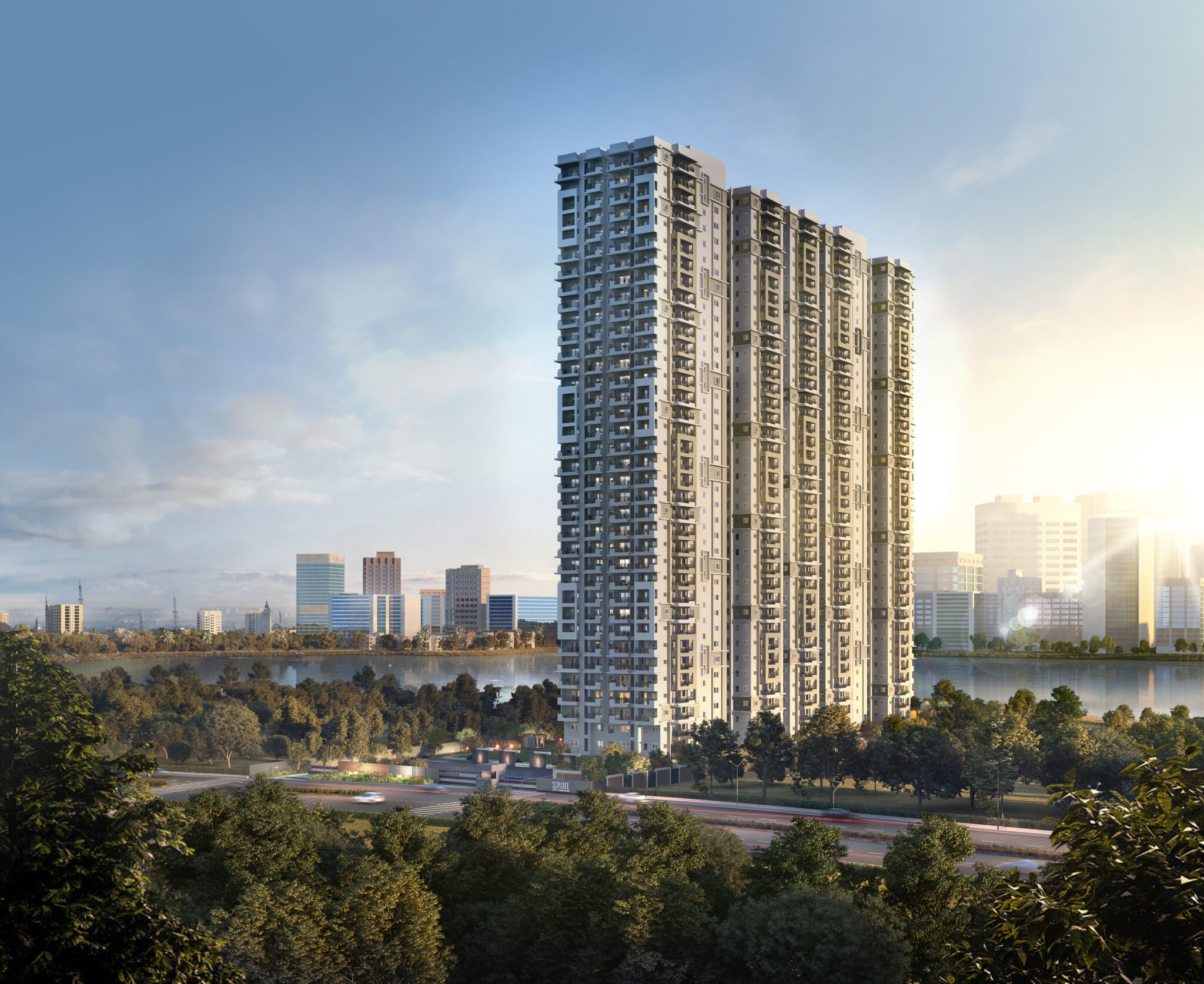
Own Your Dream Now! 3 BHKs in Kokapet | Ready to move | Premium Lake Facing Apartments

Live Where You Work | Spacious 3 BHKs in the Heart of the Financial District | From ₹2.25 Cr .

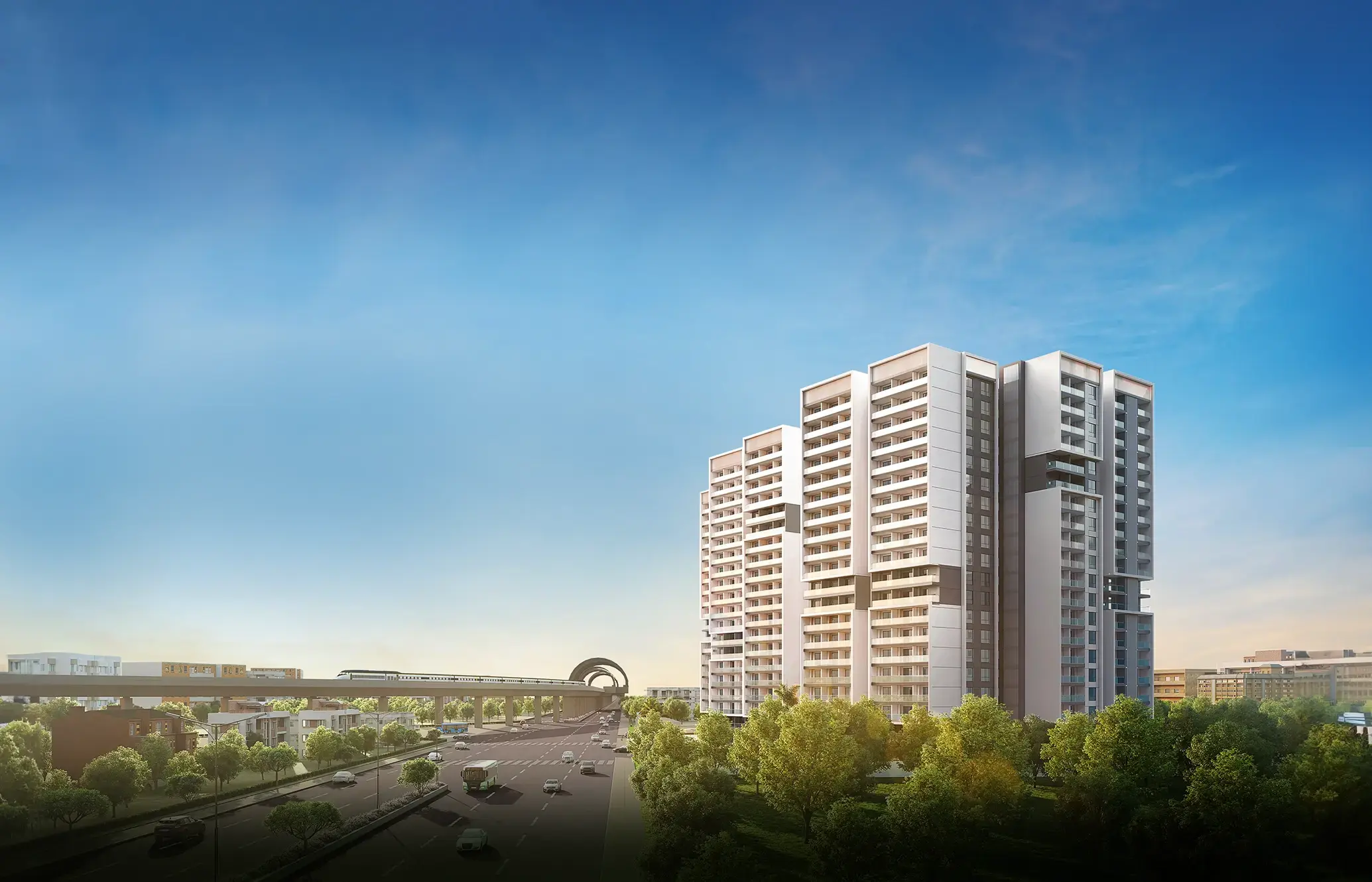

Exclusive 3BHKs | Experience the city’s rhythm in Financial District | Starting at 2.5 Crs
Our Projects
Own Your Dream Now! 3 BHKs in Kokapet | Ready to move | Premium Lake Facing Apartments
Live Where You Work | Spacious 3 BHKs in the Heart of the Financial District | From ₹2.25 Cr .
Exclusive 3BHKs | Experience the city’s rhythm in Financial District | Starting at 2.5 Crs