Front Building Design: Unveiling India’s Design Revolution
- 1 The Historical Landscape of Apartment Designs in India
- 2 Transitioning Towards Modernism
- 3 Front Building Design: A Focus on Aesthetics and Functionality
- 4 Innovations in Apartment Architecture
- 5 The Future of Apartment Designs: What’s Next for Indian Homes?
- 6 FAQ
The Historical Landscape of Apartment Designs in India
Front Building Design – Traditional Roots
So, where did Indian apartment fronts begin? It all kicked off with elements like havelis, nalukettu, and chawls. Courtyards and shady verandahs were not merely decorative; they aided in regulating light and heat, while also providing a healthy dose of privacy. It’s fascinating how these elements transformed façades into functional pieces of culture. The traditional buildings utilized materials like stone, wood, and lime plaster. Over time, ornamented entrances and intricate balconies emerged as symbols of regional identity and social status. For a deeper look at how façades evolved over time, check this out: Wikipedia – Façade.
Comparison Table: Traditional vs. Modern Front Features
| Feature | Traditional | Modern |
|---|---|---|
| Material | Stone, timber | RCC, glass, metal |
| Climate control | Courtyard, jaali | Double-skin, glazing |
| Privacy | High with verandahs | Balconies, screens |
| Decoration | Carvings, motifs | Clean lines, panels |
ASBL Spectra - Ready To Move In 3BHKs only in Financial DistrictUnveil the 50-50 payment plan
1980 sq. ft at just ₹2.10 Cr (ALL INCLUSIVE + GST)
Unveil the 50-50 payment plan
Front Building Design – Adapting to Cities and Climate
As cities got more crowded, there was a noticeable shift in apartment fronts. They began to simplify as builders had to balance aesthetics with building codes and costs. In low-rise projects, designers focused on front elevation principles that maintain proportionality, ensuring adequate light and ventilation. For three-storey buildings, the emphasis is on maintaining a human scale, think balconies and sun shading. In small streets, designs needed to harmonize shopfronts with upper living spaces. Modern innovations are also on the rise, energy-saving façades like double-skin systems are becoming increasingly popular for enhancing thermal comfort. Want to learn more about these nifty façade technologies? Check this out: Wikipedia – Double-skin facade.
Practical Note
Today’s designers are doing something both interesting and innovative. They are blending traditional aesthetics with modern durable materials to adapt to both the regional climate and evolving lifestyles. For insights into modern house designs tailored for India, swing by this link: Modern architecture house plans.
Transitioning Towards Modernism
Globalisation, Technology, and Material Shifts
India’s apartment façades have seen a significant transition from ornate to more streamlined and practical designs. This shift is largely attributed to architects embracing global modernism. International firms and Indian architects returning to the country introduced glazed façades and minimalistic lines. Developers aimed for slender balconies and modular units, essentially, a strategy to cut costs while adapting to urban densification. Curious about façades in modern architecture? Dive in here: Façade – Wikipedia.
Key Drivers Shaping Building Front Elevation Design
- New materials: RCC, aluminum, large glass panels.
- Tech: Tools like curtain walls, prefabrication, and BIM (Building Information Modeling) have made construction quicker and less resource-intensive.
- Regulations: Stringent fire codes, insulation norms, and daylight requirements have influenced the overall design of façades.
- User demand: There is a growing expectation for privacy and functional balconies, which has significantly impacted layouts. Double-skin systems have also improved comfort and energy efficiency, particularly in hot climates. More on that here: Double-skin facade – Wikipedia.
Practical Shifts in Apartment and Small Commercial Fronts
For three-storey buildings, the design often strikes a balance between a human touch and modernity. Designers today are getting creative with vertical fins, planters, and textured cladding to soften the glass-and-concrete aesthetic. Small commercial fronts are evolving too, with mixed-use podiums featuring clear ground floors to foster foot traffic. Interested in emerging façade trends? They’re discussed in various design roundups: LearnArchitecture – 10 Best Facade Designs.
Compact Factual Timeline
| Decade | Shift | Materials/Tech |
|---|---|---|
| 1950s–1980s | Traditional ornament to concrete frames | Brick, plaster, RCC |
| 1990s–2000s | Global modernism, glass use | Aluminium, glass curtain walls |
| 2010s–2020s | Sustainability, prefabrication | Double-skin, ventilated cladding, BIM |
Want to explore more about cutting-edge apartment designs and technology? Our article has you covered: Modern home design and technology.
Front Building Design: A Focus on Aesthetics and Functionality
The face of an apartment is of utmost importance, it sets the first impression and impacts daily comfort. Smart front building design synergizes aesthetics with critical factors like ventilation, sunlight, privacy, and safety. Modern Indian projects often incorporate layered façades, inviting balconies, and well-placed sunshades to create a balanced approach. It is also important that these designs adhere to local codes and climate considerations. For insights on how to design entrances and ensure those critical first impressions, take a look here: ArchDaily.
Key Trends in Front Building Design
- Layered materials: Use of stone, textured plaster, and louvers enhances the design depth.
- Passive cooling: Implementing horizontal overhangs and ventilated façades can greatly improve thermal comfort.
- Lighting: Utilizing LED strips and recessed fixtures beautifully highlights forms at night.
- Mixed-use cues: Incorporating signage zones and durable finishes for front small commercial buildings adds functionality.
Quick Comparison Table of Typical Frontage Choices
| Type | Typical Features | Primary Goal |
|---|---|---|
| Apartment block | Balconies, green pockets, secure entry | Amenity and privacy |
| 3-floor residential | Proportioned windows, modest cornice, verandah | Human scale and ventilation |
| Small commercial front | Transparent shopfront, canopy, signage bay | Visibility and durability |
Design Note for a Front Elevation Design for a Three-Floor Building
Aim for a straightforward symmetry with a clear base, middle, and top. Do not overlook cross-ventilation and daylight priorities. Select low-maintenance materials that can withstand the local weather conditions.
Practical Tips for Front Small Commercial Building Design
Consider a 1.2 to 1.5-meter setback to facilitate pedestrian flow, if site conditions allow. Additionally, use impact-resistant cladding and modular sign bands. Layer your lighting effectively to enhance navigation after dark for customers.
Sustainability and Tech
Daylight-centered façade strategies undoubtedly enhance comfort and reduce energy costs. Consider utilizing automated shading and solar-ready roofs to amplify savings.
Discover detailed principles of frontage design in professional guides: SANDAG or gain practical layout tips from our Modern plans section: Modern plans.
Innovations in Apartment Architecture
Trends for Multi-Storey Apartments
Modern elevations are predominantly focused on achieving a balance between style, function, and energy savings. Designers are now incorporating shaded balconies, ventilated façades, and low-emissivity coated glass to minimize heat gains. Vertical greenery and perforated screens also play a role in reducing cooling needs while enhancing privacy. For an overview of façade concepts, take a look at this link: Wikipedia. In India, environmentally friendly features like rooftop solar installations and passive cooling strategies are becoming commonplace. Seeking specifics on installation? Here’s a valuable guide: Solar Panels for Apartments.
Front Building Design for Small Commercial and Three-Floor Buildings
Designs for small commercial spaces and three-floor residences must attract attention while remaining efficient. Modular cladding, natural ventilation, and optimal daylighting all contribute toward lowering operating costs. A front elevation design for three-floor buildings that prioritizes simplicity with balanced symmetry, sun shading, and recessed windows tends to be the most effective. Small commercial fronts are leaning towards durable finishes and branding strategies that do not compromise thermal performance. Interested in local green-building trends? Here’s an in-depth exploration: The Future of Green Building in Hyderabad.
Quick Comparative Table
| Attribute | Traditional | Modern Sustainable |
|---|---|---|
| Materials | Brick, plaster | Lightweight cladding, recycled panels |
| Sun control | Small overhangs | Deep balconies, louvers |
| Energy features | None | Rooftop solar, LED lighting |
Design Checklist (Short)
- Prioritize ventilation and daylighting.
- Utilize local materials to minimize embodied energy.
- Incorporate solar-ready roofs and EV charging options.
- Test elevation concepts with 3D models before construction begins.
These innovations are shaping front building designs that are not only visually appealing but also in alignment with the climatic needs of Indian apartments and small commercial establishments.
The Future of Apartment Designs: What’s Next for Indian Homes?
Front Building Design and Smart Homes
Buyers are increasingly on the lookout for smart flats equipped with integrated sensors, voice controls, energy dashboards, and charging stations for electric vehicles (EVs). Developers are leaning more toward modular façades which can easily be retrofitted at a later stage. Want to understand façade theory? Head over to this link: Façade – Wikipedia.
Building Front Elevation Design Meets Sustainability
The usage of green building envelopes, double-skin façades, and passive shading techniques is set to drastically reduce cooling loads. Rooftop solar installations and rainwater harvesting systems are expected to become standard practices in the near future. Curious about the technical benefits of double-skin systems? Check it out here: Double-skin facade – Wikipedia. Want to see how green building trends are shaping Indian projects? Click here for insights: The Future of Green Building in Hyderabad.
Design Shifts: Compact to Flexible
Small residential units are becoming increasingly adaptable, incorporating features like foldaway furniture and sliding partitions to maximize space utility. Balconies are evolving into semi-outdoor living areas. For low-rise buildings, architects are fine-tuning front elevations for three-floor designs to balance privacy and natural light.
Commercial Edges and Mixed Use
Future ground floors will merge retail and residential spaces. This means front small commercial building designs will have a substantial effect on apartment podiums, enhancing walkability and increasing resale value in the long run.
Quick Facts Table
| Trend | Benefit | Where in India |
|---|---|---|
| Smart automation | Lower energy use, convenience | IT corridors, major metros |
| Green façades | Thermal comfort, water savings | Hot, humid regions |
| Modular exteriors | Faster builds, easy retrofitting | High-rise & mid-rise projects |
What Buyers Should Watch
Stay vigilant about builder claims regarding smart systems and solar features. Be sure to evaluate sample front designs and maintenance plans. Most importantly, choose layouts that can adapt to future necessities.
FAQ
1. What are the key features of traditional apartment designs in India?
Traditional Indian apartment designs typically include elements such as courtyards, verandahs, and intricate balconies made from native materials like stone and wood that ensure climate control and privacy.
2. How has modernism influenced apartment designs in India?
Modernism has shifted apartment designs towards simpler, more functional façades using materials such as RCC and glass, influenced by global architectural trends and the need for efficiency in urban environments.
3. What trends are shaping the future of apartment designs in India?
Future apartment designs are focusing on smart home technology, sustainable practices such as green façades and solar energy, and adaptable layouts to accommodate changing lifestyles.
4. How can front building design enhance the comfort of residents?
Front building design can enhance comfort through optimized ventilation, sunlight access, privacy features, and safety, creating a pleasant living environment that meets both aesthetic and functional needs.
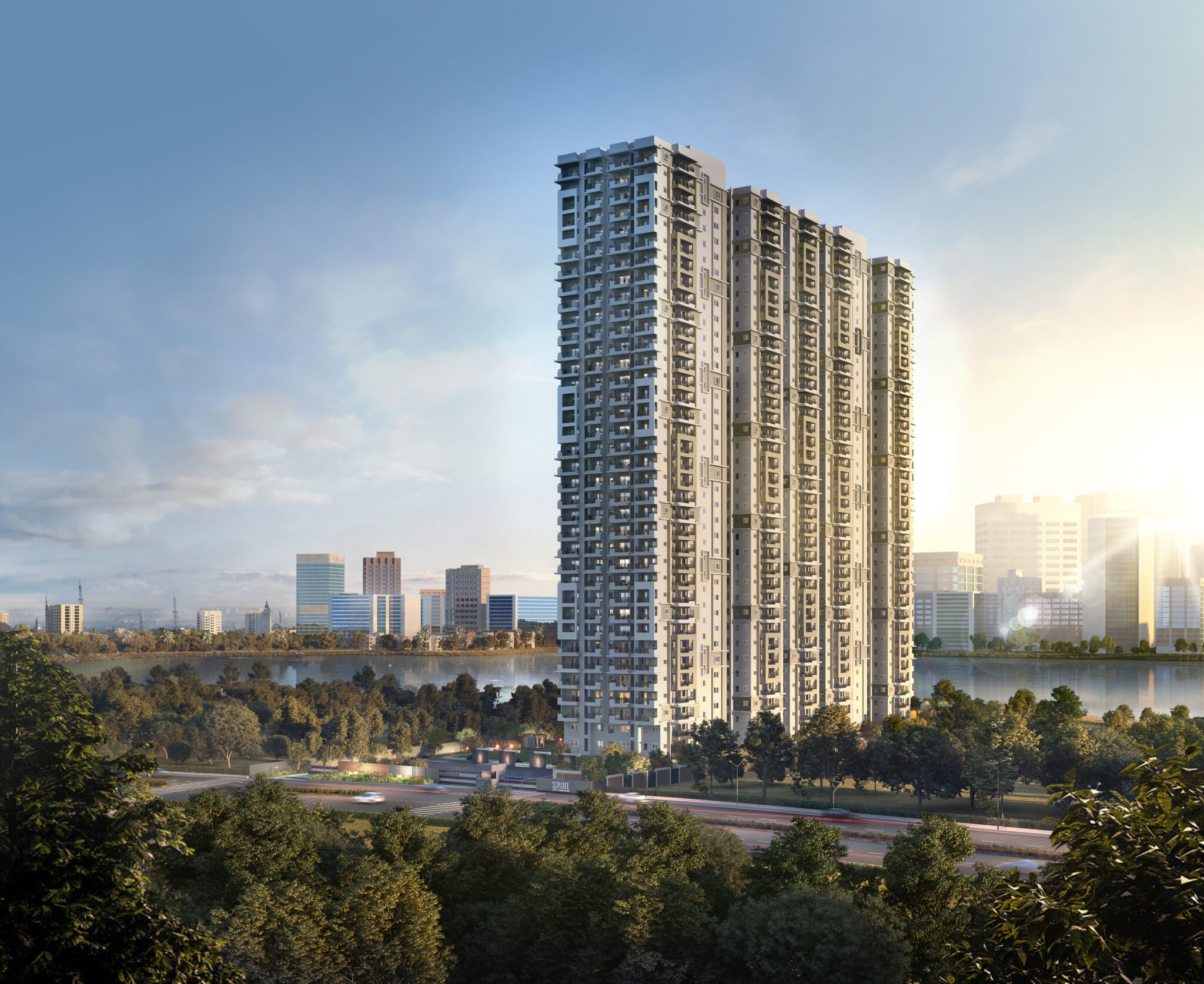
Own Your Dream Now! 3 BHKs in Kokapet | Ready to move | Premium Lake Facing Apartments
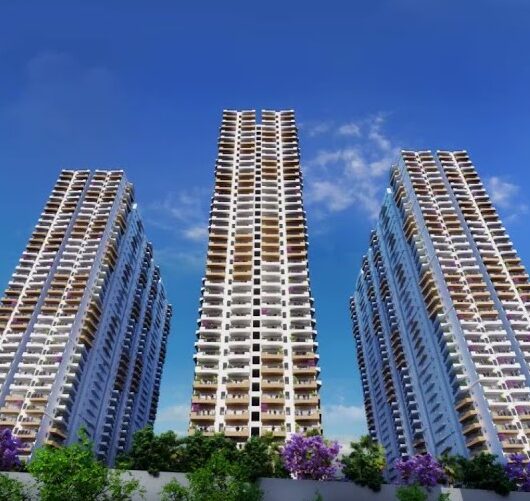
Live Where You Work | Spacious 3 BHKs in the Heart of the Financial District | From ₹2.25 Cr .
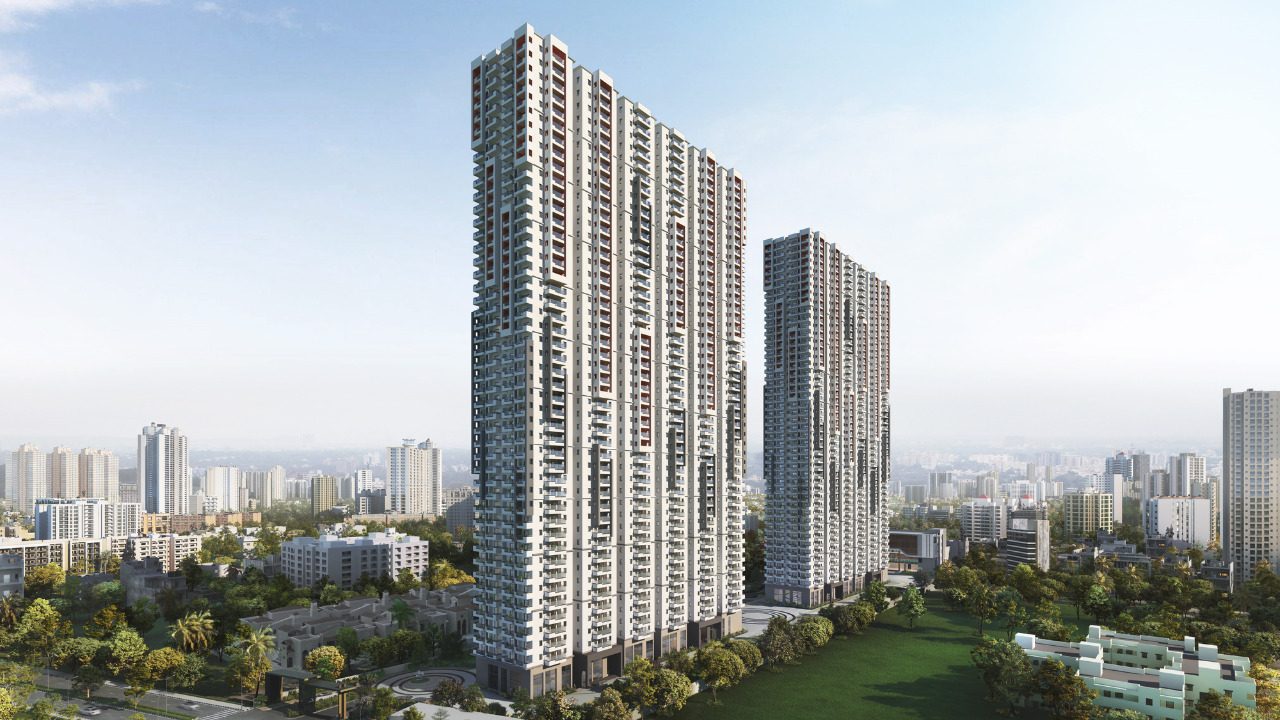
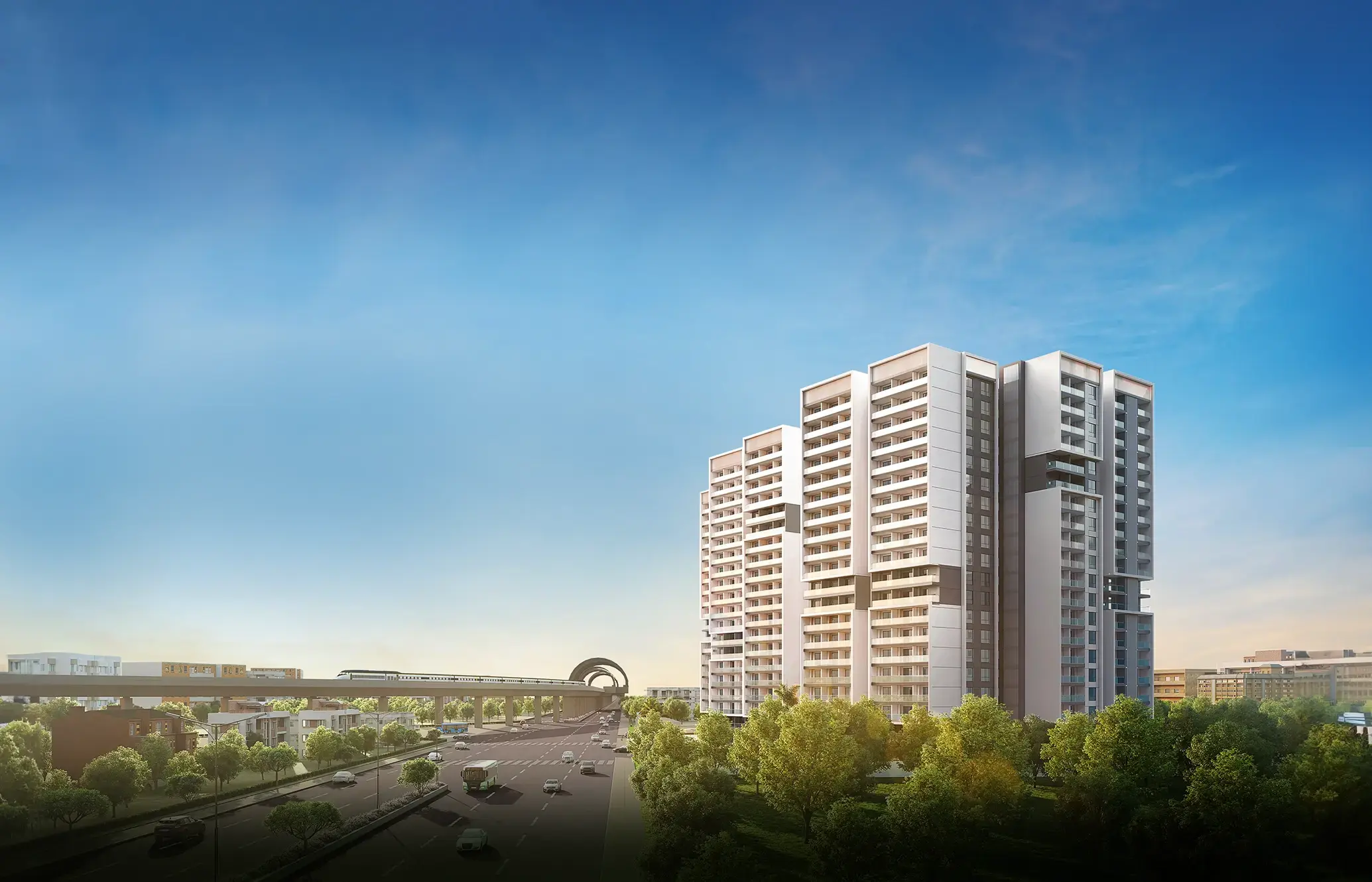
Exclusive 3BHKs | Experience the city’s rhythm in Financial District | Starting at 2.5 Crs
Our Projects
Own Your Dream Now! 3 BHKs in Kokapet | Ready to move | Premium Lake Facing Apartments
Live Where You Work | Spacious 3 BHKs in the Heart of the Financial District | From ₹2.25 Cr .
Exclusive 3BHKs | Experience the city’s rhythm in Financial District | Starting at 2.5 Crs