What to Expect After Signing the Sale Agreement: Finalizing Your Home Purchase
- 1 Understanding Your Sale Agreement
- 2 GST on New Home Purchase: Payment Milestones After Signing the Sale Agreement
- 3 GST on New Home Purchase: Bank Disbursement & Financing Essentials
- 4 Registration Scheduling and Documentation-GST on New Home Purchase
- 5 Planning Your Interior: Timeline and Considerations-GST on New Home Purchase
Understanding Your Sale Agreement
Purchasing a new home? It starts with that sale agreement. This document is crucial. It’s like the first handshake between you and the builder. Dive into the details. Every last clause. Make sure unit specifics, total costs, payment timelines, possession dates, everything is crystal clear. Don’t forget to verify the RERA registration number, project approvals, and the expected timelines. No one likes delays, right? For RERA checks, use our handy project search guide. Source
Key Financial Clauses and Taxes
Next up, the financial side. The sale agreement should list all the taxes the builder will charge. GST applies only to under-construction homes, not the ones you can move into right away. Confirm if the GST on new home purchase is part of the overall price or if it’s tacked on later. Also, keep in mind stamp duty and registration fees are additional. For the latest on GST rates, check out these expert summaries. Source
| Property type | GST rate | Notes |
| Affordable under-construction | 1% without ITC | Subject to qualifying criteria |
| Other under-construction | 5% without ITC | Standard for non-affordable units |
| Ready-to-move-in | Nil (no GST) | Taxed via stamp duty and registration |
ASBL Spectra - Ready To Move In 3BHKs only in Financial DistrictUnveil the 50-50 payment plan
1980 sq. ft at just ₹2.10 Cr (ALL INCLUSIVE + GST)
Unveil the 50-50 payment plan
Practical Tips Before Signing
A few practical tips:
- Demand a payment schedule tying amounts to construction milestones.
- Ensure there’s a clear cancellation and refund clause, it’s important.
- Check if the builder will claim the input tax credit or share GST savings with you.
- Review the conditions for defect liability and possession certificates. For more buyer-focused GST advice, check out this homebuyer guide. Source
And if something sounds puzzling, definitely get a lawyer or an accountant to rake through that sale agreement before you sign it.
GST on New Home Purchase: Payment Milestones After Signing the Sale Agreement
So, you’ve signed the sale agreement. What’s next? Now you need a clear payment plan. First, you’ll shell out a booking or earnest deposit. Then, as construction progresses, expect scheduled installments. Finally, there’s registration and any leftover charges before you take possession. Here’s a heads-up: GST rules can shift the final amount on under-construction properties.
Who Pays GST and When?
Remember, GST kicks in for under-construction homes. Builders collect this GST alongside stage payments, so always ask for a breakdown. Get it in writing! Rates can fluctuate based on property type, and recent reforms affect this too. For the nitty-gritty on changes, consult a detailed tax brief. Source | Source
| Milestone | Typical % of BSP | Trigger | GST Applies? |
| Booking/Token | 1-5% | On signing agreement | Generally yes for U/C |
| Down payment | 10-20% | Within 30-60 days | Yes for U/C |
| Construction-linked installments | 40-60% total | On slab/finishing | Yes for U/C |
| Final/Registration | Remaining | Before possession | No if RTO/OC ready |
What to Check and Action Points
- Is your unit under-construction or move-in ready? Check the GST rate on your booking receipt.
- Ask for stage-wise invoices breaking down GST separately helps with home loan claims.
- Budget for stamp duty and registration charges separately. For a guide on stamp duty, check this related article. Source
- Remember your TDS obligations on property transactions. For a step-by-step, see our TDS note. Source
GST on New Home Purchase: Bank Disbursement & Financing Essentials
How do bank disbursements work after buying your new home? After signing, you’ll have to line up your lender and builder. For under-construction properties, banks usually disburse funds in stages according to builder invoices. If you’re buying a ready-to-move-in home, expect most banks to disburse at the registration stage. Also, clarify if GST hit your booking. Builders typically charge GST for under-construction units, not for homes ready for you to live in. Source
Steps to Ensure Smooth Financing
- Get your final loan sanction and the sanction letter.
- Share builder invoices, RERA approvals, and your PAN details with the bank.
- Complete a tripartite agreement if necessary.
- Authorize the disbursement to the builder or registrar.
- Find out if your loan covers GST or if you need to pay that upfront.
| Stage | Typical Document | Timeline | Typical Amount Covered |
| Loan sanction | Sanction letter, ID, income docs | 7–14 days | Pre-approved amount |
| Stage disbursement | Builder invoice, site progress cert | 7–21 days per stage | 70–90% of stage cost |
| Registration | Sale deed, NOC, bank cheque | On registration day | Remaining loan amount |
Useful Checks and Tips
- Verify LTV and pre-EMI rules with your lender. For clarity, see our LTV limits guide.
- Confirm whether GST on new home purchase is included in your loan or needs to be paid out-of-pocket.
- Keep copies of all invoices and bank transfer advice handy for registration and TDS proofs. Check our article on GST and essential home loan documents for more info.
Registration Scheduling and Documentation-GST on New Home Purchase
After signing that sale agreement, don’t hang around, fix that registration date. First, confirm whether GST applies remember, it’s only for under-construction homes.
What to Schedule and When-GST on New Home Purchase Matters
- Book your slot at the sub-registrar office right after the builder hands you the allotment letter or sale deed draft.
- Get the bank NOC sorted out and ensure you have the home loan discharge certificate if the property has a mortgage.
- Make sure payment receipts, GST invoices, and the builder’s tax breakdown are ready, all crucial if GST hit your purchase. Recent GST rates may have changed, so confirm the rate for your specific housing category with your developer.
Essential Documents (bring originals & 2 photocopies)
| Document | Issued by | Why Needed |
| Agreement to Sale | Builder/Seller | Proof of terms |
| Allotment Letter/Invoice | Builder | Price breakup, GST charged |
| Identity Proof | Buyer | KYC for registry |
| PAN & Form 60/61 | Buyer/Seller | Tax compliance |
| Encumbrance Certificate | Sub-registrar | Title clear check |
| Home loan NOC | Lender | Remove mortgage |
| Power of Attorney (if any) | POA holder | Legal signing permission |
Tips to Avoid Delays
- Double-check the developer’s GST invoice against your sale agreement. For more on this, read our guide on GST for flats.
- If possible, pre-pay stamp duty online. Review our internal stamp duty guide for state-specific rates and calculations. Source
- Arrive early and bring originals. Keep contact details for the sub-registrar, builder, and your lawyer handy, just in case there are last-minute snags.
Planning Your Interior: Timeline and Considerations-GST on New Home Purchase
When GST Applies
Understanding the tax rules is key. GST is all about under-construction properties, nothing for the ready-to-move-in ones. Here’s the kicker: affordable under-construction homes enjoy lower GST rates than their non-affordable counterparts. And input tax credit? Nope, not for homebuyers. Just remember, the builder tags GST on those stage payments, not on stamp duty or registration fees. Source
| Property Type | GST Applies? | Typical Rate |
| Under-construction (affordable) | Yes | 1% (no ITC) |
| Under-construction (non-affordable) | Yes | 5% (no ITC) |
| Ready-to-move-in / Completions | No | Exempt |
Interior Planning Timeline and Costs
First things first, sync your interior plans with your possession date. Ask your builder for a provisional possession date and check on OC status. Plan out your measurements and design 4 to 6 weeks before moving in. Order the big-ticket items like modular kitchens and wardrobes at least 3 weeks in advance of installation. After possession, aim to finish major work within 4 to 8 weeks to avoid living like a nomad.
Costs to Expect
- GST on interiors: typically, contractor services and materials come with GST, 18 percent is common for services.
- No GST on stamp duty or registration, but check those costs separately. Source
- Hidden costs can creep up. It’s smart to set aside 5 to 12 percent for unexpected expenses. Source
Practical Checklist
- Confirm the builder’s GST invoice schedules before making final payments.
- Don’t wait, book an interior designer early and agree on project milestones.
- Align your delivery dates with your possession letter and check OC status. Source
- Keep some funds handy for post-possession fixes while in the defect liability period.
Stick to this timeline, check those tax details, and you’ll keep your interiors on track and within budget.
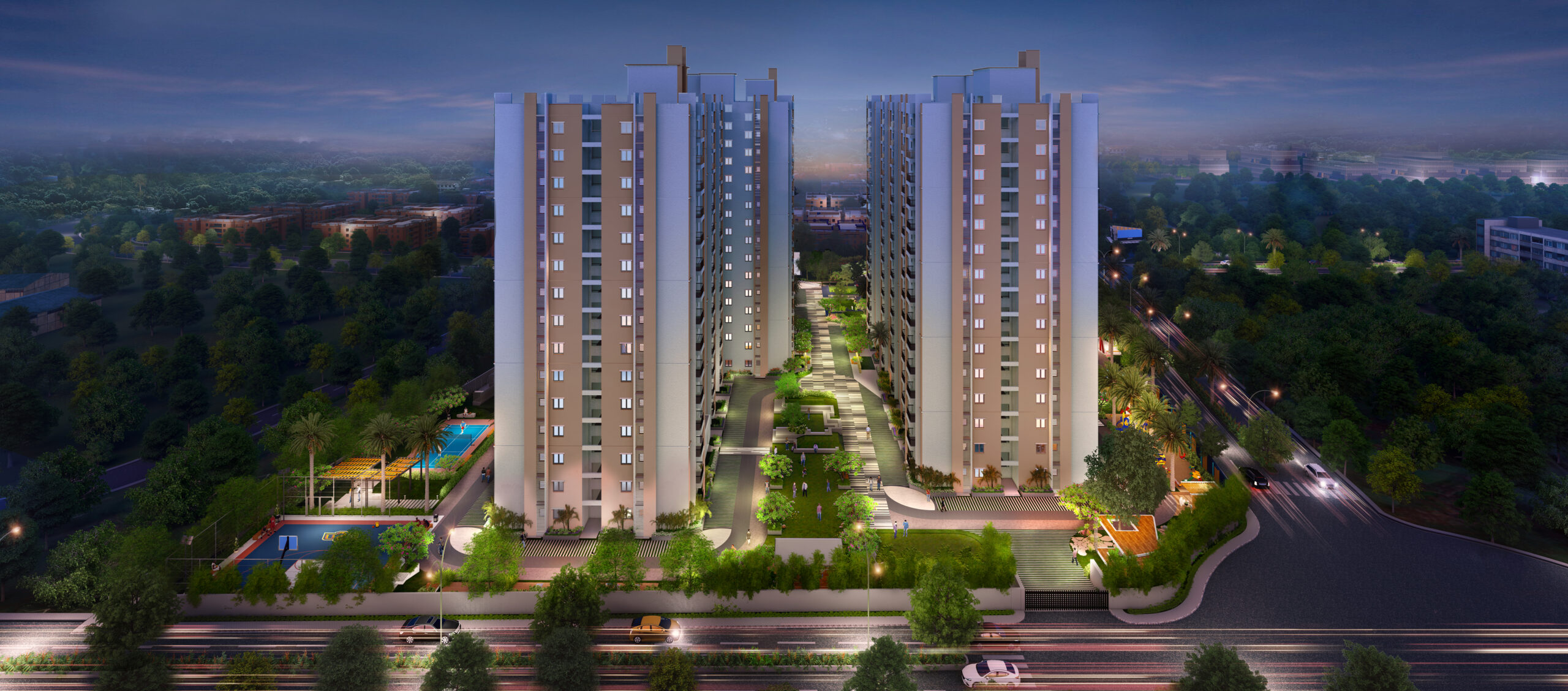

Own Your Dream Now! 3 BHKs in Kokapet | Ready to move | Premium Lake Facing Apartments
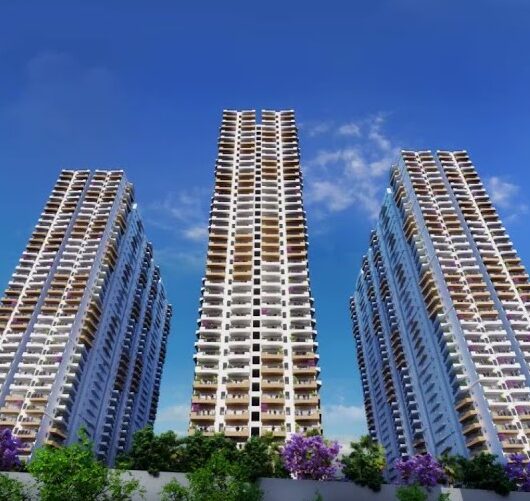
Live Where You Work | Spacious 3 BHKs in the Heart of the Financial District | From ₹2.25 Cr .
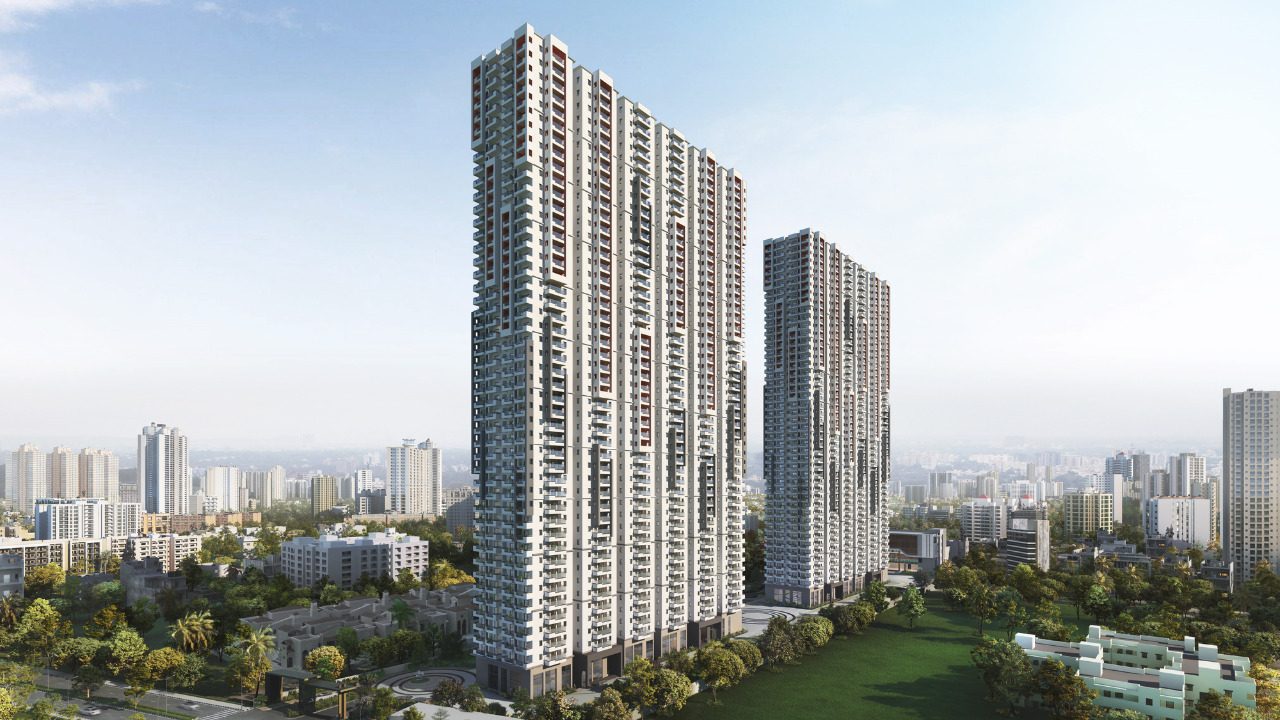


Exclusive 3BHKs | Experience the city’s rhythm in Financial District | Starting at 2.5 Crs
Our Projects
Own Your Dream Now! 3 BHKs in Kokapet | Ready to move | Premium Lake Facing Apartments
Live Where You Work | Spacious 3 BHKs in the Heart of the Financial District | From ₹2.25 Cr .
Exclusive 3BHKs | Experience the city’s rhythm in Financial District | Starting at 2.5 Crs