Unlock Capital Appreciation: Secure Your Kids’ Future Now!
- 1 Understanding Capital Appreciation: What It Means for Your Kids’ Future
- 2 Evaluating Infrastructure Growth for Long-Term Capital Appreciation
- 3 Assessing the Education Ecosystem: How Schools Drive Capital Appreciation
- 4 Prioritizing Safety and Community Culture for Capital Appreciation
- 5 Designing for the Future: Layout Flexibility and Capital Appreciation
- 6 FAQ
Understanding Capital Appreciation: What It Means for Your Kids’ Future
Capital appreciation meaning and definition
Capital appreciation is all about your asset’s price going up over time. Think real estate: it’s essentially how much more your home could sell for compared to what you originally paid. Buyers, especially those with kids in mind, often zero in on factors like location, schools, and nearby infrastructure. Check out this clear explanation if you want the full scoop.
What is capital appreciation and why it matters
When you’re buying a home for your family, capital appreciation isn’t just a fancy term; it’s what helps safeguard your future choices. Picture this: higher appreciation means more cash when you decide to sell. Plus, it opens doors to good schools and valuable neighborhood upgrades, making life a bit sweeter. And if appreciation stays steady? You’ve got less to worry about when it comes to negative equity.
Unveil the 50-50 payment plan
Quick facts table
| Driver | Why it matters | Typical annual impact |
|---|---|---|
| Location near job hubs | Steady demand from professionals | 5%–12% |
| Infrastructure projects | Better connectivity and services | 3%–8% |
| Supply and new launches | Price pressure or support | -2% to 6% |
| Local amenities and schools | Higher resale appeal | 4%–10% |
These ranges give a snapshot of trends in the Indian market, alongside some insights from developers. Want more context on real estate appreciation? Check this out: Industry view.
How to use this when choosing a home
Start by scouting neighborhoods with rising job opportunities and solid schools. Look into any planned roads or metro stations while you’re at it. And definitely verify the developer’s track record and if they’re RERA compliant. For tips on picking locations that are family-friendly, take a peek at our guide. Mix current comfort with thoughts of future capital appreciation to ensure your child’s got options down the road.
Evaluating Infrastructure Growth for Long-Term Capital Appreciation
Why capital appreciation matters and what is capital appreciation
Look out for projects that enhance jobs, schools, and commute times. Capital appreciation is basically the increase in real estate market value over time. Simple, right? It’s about where you buy, keeping an eye on demand, development, and how scarce properties are. For your kids’ future, aim for places where infrastructure will support a vibrant lifestyle and strong resale potential. Find out more here.
Key infrastructure to prioritize for capital appreciation
Focus on mass transit, major road enhancements, and those shiny new economic zones. All this helps create demand, speeds up commutes, and leads to better schools too. Utility upgrades like reliable water and power are key. In Hyderabad? Just look at how the metro, ORR, and IT corridor expansions can skyrocket property prices, sometimes doubling in just five years. Local examples help illustrate this as well! See more.
Unveil the 50-50 payment plan
Typical impact estimates on nearby property values
| Project type | Estimated uplift (first 5 years) | Why it helps |
|---|---|---|
| Metro / Rapid Transit | 8–20% | Improves connectivity and rental demand |
| Ring roads / Flyovers | 5–15% | Reduces commute time; attracts developers |
| Tech parks / SEZs | 10–25% | Job growth increases housing need |
How to evaluate projects before you buy
Before you jump in, check the project timeline, funding sources, and any required approvals. Credible builders? Verify that too along with their RERA standing. It’s smart to model the best- and worst-case price scenarios. A solid balance between rental yield and capital appreciation is essential; always keep safety and school access front and center. For a deeper dive into real estate, don’t miss this guide.
Assessing the Education Ecosystem: How Schools Drive Capital Appreciation
Why school access affects capital appreciation
Good schools shape demand in neighborhoods. Families are often willing to pay more for shorter commutes, safety, and strong academic results. Over time, this consistent demand fuels price growth and resale potential. If you’re still wondering what capital appreciation is, it’s simply the increase in property market value over time! Learn more here.
What to check near a home for long-term gains
- Quality of schools and the mix of education boards.
- The distance to schools and how safe the routes are.
- Availability of extra classes, sports, and libraries.
- Public transport options for students and staff.
These elements make your locality more attractive, driving up capital appreciation.
Quick comparison table: education factors and likely influence on value
| Education Factor | Why it matters | Influence on capital appreciation |
|---|---|---|
| Top-rated schools within 3 km | Reduces commute, attracts families | High |
| Good public transport to schools | Broadens catchment, increases demand | Medium |
| Extra-curricular facilities nearby | Improves lifestyle appeal | Medium |
| Poor school reputation | Limits buyer pool | Low or negative |
How to use capital appreciation meaning when buying
Think of appreciation alongside total return, rent savings too. Look at neighborhoods based on school ratings or upcoming projects. Developers love to highlight nearby schools because they boost long-term value. For practical advice on finding a kid-friendly location, check out our neighborhood guide.
Local market evidence and planning
Appreciation in real estate is all about local factors, like infrastructure and zoning. Dive into the various types of real estate appreciation and the signs of high-growth areas in India here. Use school access as a solid demand indicator when figuring out what capital appreciation means for your family home.
Prioritizing Safety and Community Culture for Capital Appreciation
What is capital appreciation and why it matters
So, capital appreciation? It’s the increase in a property’s value over time. Understanding this helps parents buy homes that not only appreciate but also offer their kids a safe and joyful childhood, an absolute win-win!
Safety first, value follows
Safe neighborhoods, low crime rates, and active resident associations create stability. They improve daily life and encourage long-term demand. Gated communities often come with better amenities and security, which can be a big plus if you ever decide to sell. Looking for guidance on picking family-friendly gated communities? We’ve got a guide just for that: check it out.
Community culture and schools
A vibrant community culture filled with playgroups, local sports, and dependable schools can make a huge difference. Living near reputable schools boosts buyer interest and can positively impact capital appreciation. For tips on finding locations that are good for kids, see our guide here.
Quick reference table – what to check
| Factor | Why it matters | Effect on capital appreciation |
|---|---|---|
| Crime & safety | Daily security drives buyer demand | High |
| School access | Families pay premium for good schools | High |
| Gated community | Managed amenities and security | Medium–High |
| Connectivity | Commute times affect resale | Medium |
| Green space | Health and play areas for kids | Medium |
Practical checklist
- Visit at different times to gauge safety and noise levels.
- Chat with neighbors and the resident welfare association for insights into community life.
- Test walkability for school runs and parks.
- Check builder and project records, avoid future surprises, and don’t skip RERA checks! Learn more.
Considering all these factors in your home search answers the question of what capital appreciation is while looking out for your child’s future and ensuring long-lasting value.
Designing for the Future: Layout Flexibility and Capital Appreciation
Why flexible layouts raise long-term value
Opt for spaces that adapt. An open living area can easily transform into a study or playroom as your kids grow. That spare bedroom? A home office waiting to happen! Flexible layouts not only enhance daily living but also enhance capital appreciation. For a clear definition of capital appreciation, check reliable resources that explain value growth over time here.
Layout checklist that protects resale value
- Enough bedrooms for future needs.
- Clear circulation paths to allow for wall reconfigurations.
- Adequate windows and natural light for healthy spaces.
- Designated service areas for future equipment.
Also, think about layouts that could easily accommodate a 3BHK upgrade down the line. For tips, check out our 3BHK plan guide. And for location options that work well with flexible homes, our choosing kids’ locations guide is a good read.
Quick table: layout features and likely impact on capital appreciation
| Feature | Years useful | Estimated impact on capital appreciation |
|---|---|---|
| Extra bedroom (convertible) | 15+ years | +3 to 6% |
| Open plan with flexible partitions | 10+ years | +2 to 5% |
| Independent service/utility area | 20+ years | +1 to 4% |
These estimates reflect common trends in Hyderabad and design values. For a deeper look into how home value increases, see our resources on understanding apartment value here.
What is capital appreciation in practice
In short, capital appreciation is simply your home’s increasing market price over time. When you design with adaptability in mind, you maintain utility high. It helps ensure long-term gains and makes selling easier down the line. Use flexible design, go for kid-safe materials, and plan your home mechanics well. This way, you can keep your family comfortable now while boosting capital appreciation later.
FAQ
- What is capital appreciation? Capital appreciation refers to the increase in the value of an asset or property over time, which can benefit homeowners when selling their properties.
- How does location affect capital appreciation? Properties located near job hubs, schools, and infrastructure projects tend to appreciate more due to higher demand.
- Why is safety important in determining property value? Areas with low crime rates and community safety measures generally attract more buyers, thus improving capital appreciation.
- What type of home layout is best for long-term value? Flexible layouts that can adapt as family needs change, such as open living spaces, can significantly enhance a home’s resale value.
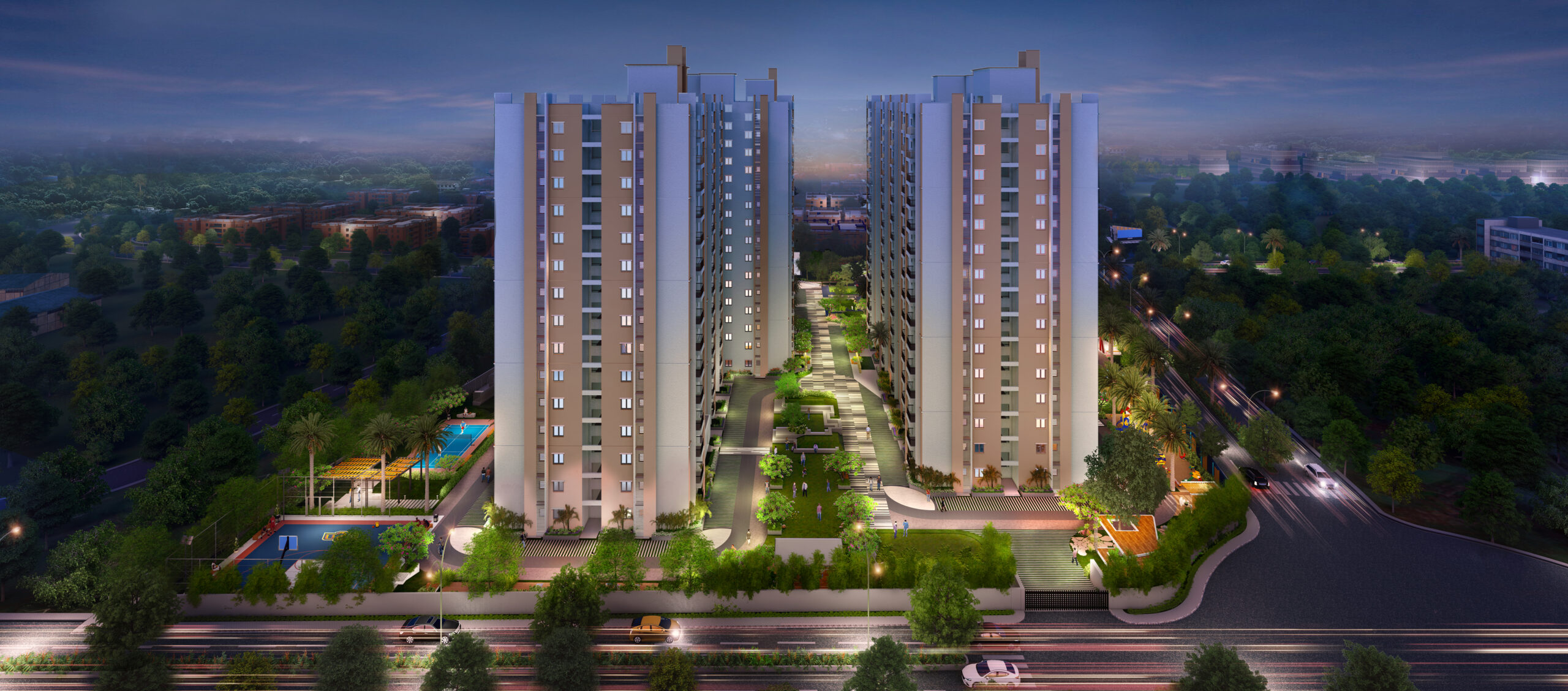
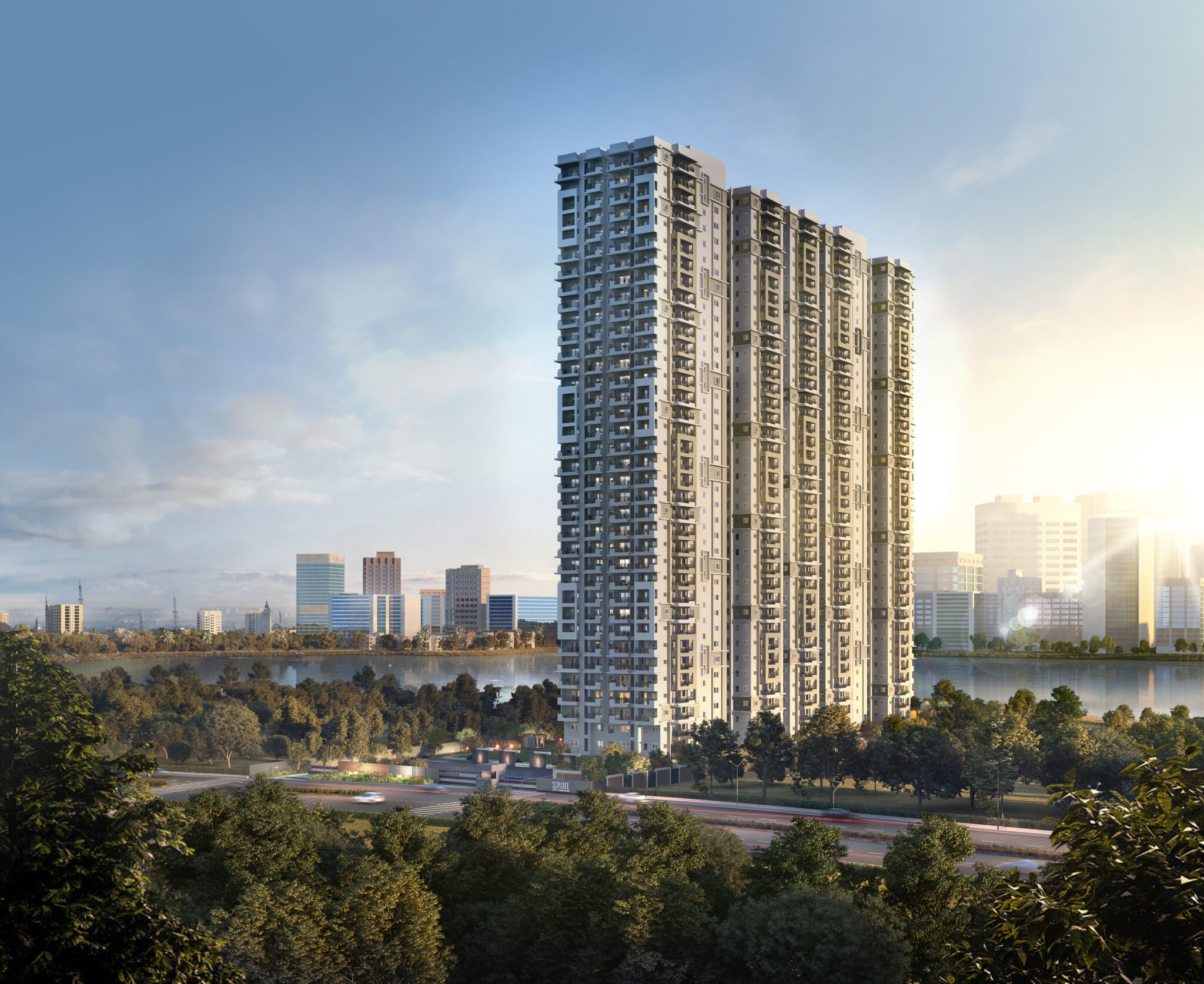
Own Your Dream Now! 3 BHKs in Kokapet | Ready to move | Premium Lake Facing Apartments
Live Where You Work | Spacious 3 BHKs in the Heart of the Financial District | From ₹2.25 Cr .
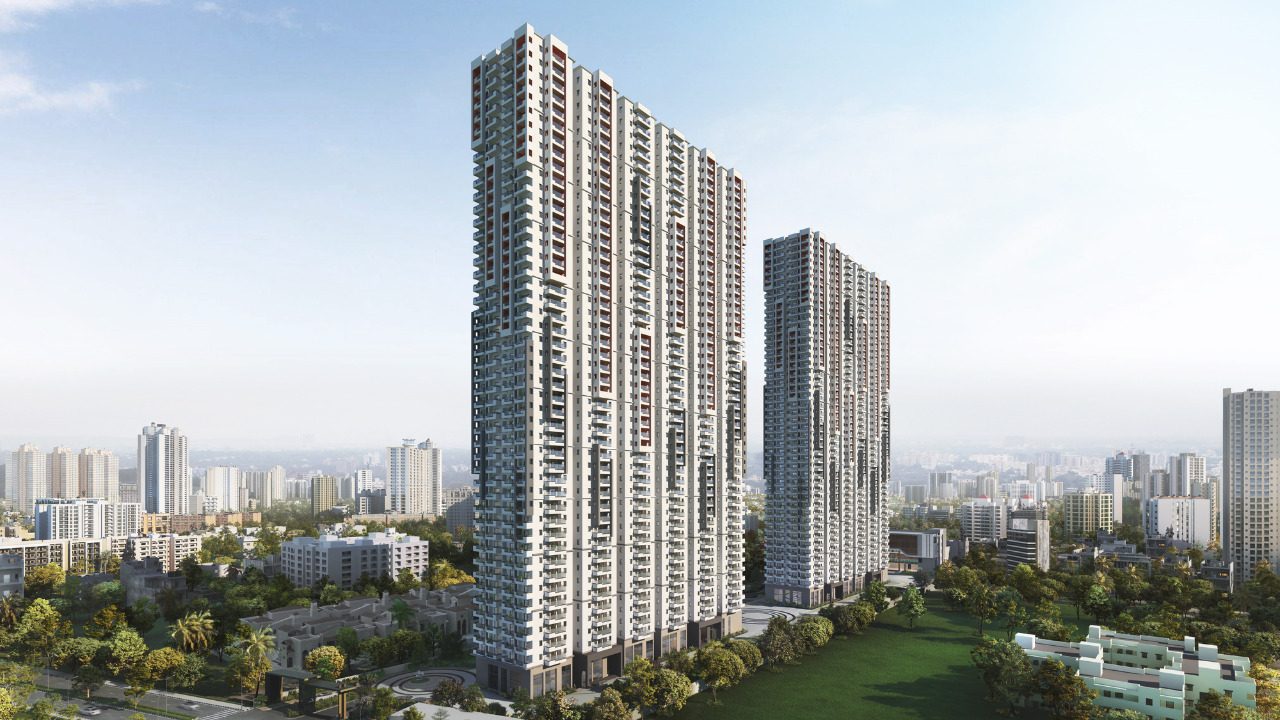
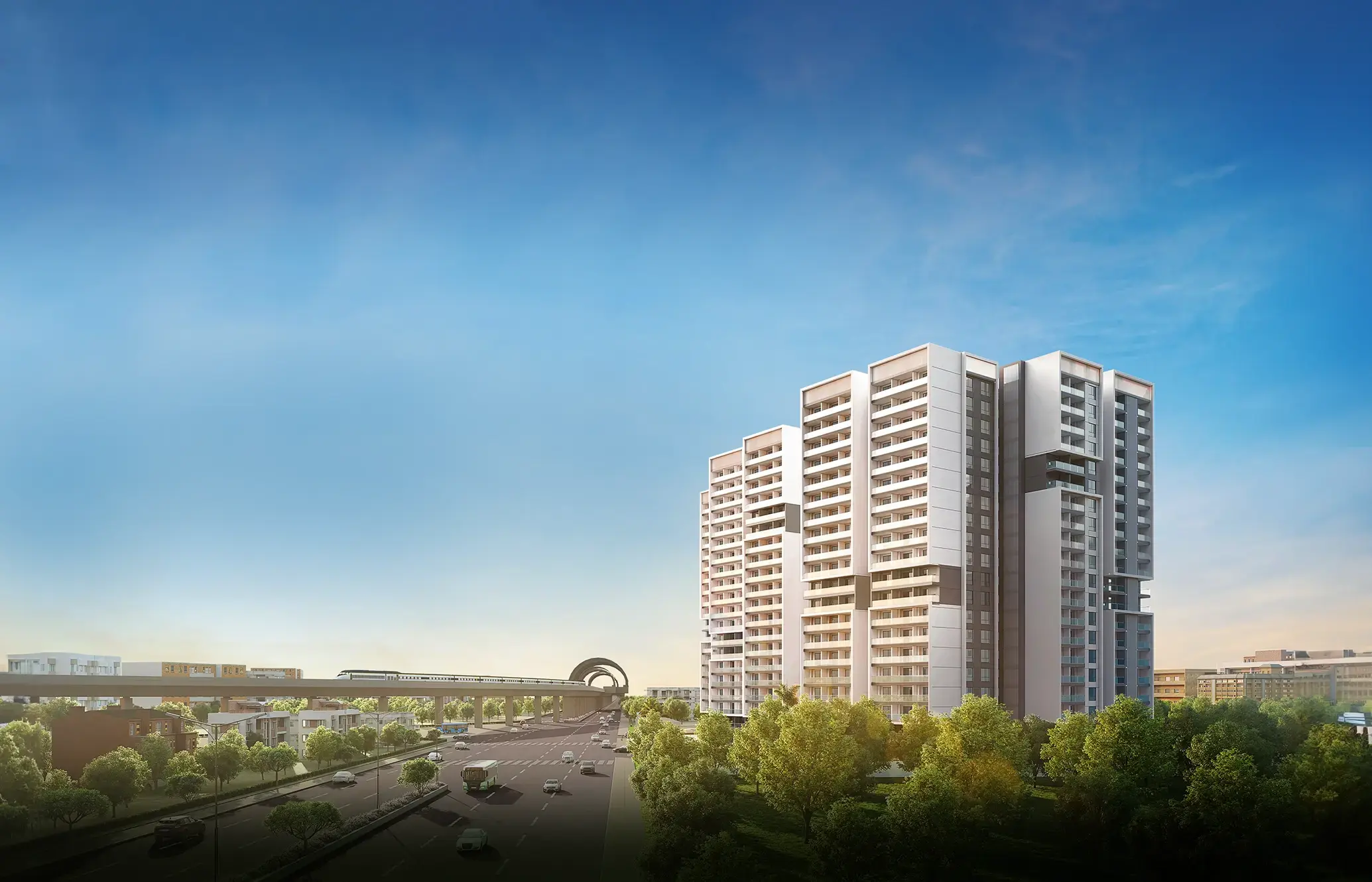

Exclusive 3BHKs | Experience the city’s rhythm in Financial District | Starting at 2.5 Crs
Our Projects
Own Your Dream Now! 3 BHKs in Kokapet | Ready to move | Premium Lake Facing Apartments
Live Where You Work | Spacious 3 BHKs in the Heart of the Financial District | From ₹2.25 Cr .
Exclusive 3BHKs | Experience the city’s rhythm in Financial District | Starting at 2.5 Crs