The Hidden Costs Of Homeownership: Agreement To Sale Warning!
Introduction: The True Cost of Homeownership in Gated Communities
So, you’re thinking about buying in a gated community? That’s a big step! But here’s the thing: the agreement to sale? That’s where it all begins, and it gives you a peek into what you’ll actually be shelling out month after month. Too often, folks get caught up in just the sale contract, forgetting about the ongoing costs that can really pile up, think maintenance fees, property taxes, corpus fund contributions, and insurance. Oh, and let’s not forget those parking fees (PLC) builders love to sneak in.
Agreement to Sale vs. Sale: Quick Checklist
Let’s break this down. The agreement to sale? It usually comes before you seal the deal with the final sale deed. A sale is what transfers ownership right then and there. When you’re deep in the details, don’t forget to look at possession clauses, defaults, and refund terms in that contract. It’s all about being prepared, so do your homework.
Unveil the 50-50 payment plan
Estimated Annual Running Costs (India)
| Cost item | Typical annual cost (INR) |
|---|---|
| Maintenance charges | 30,000–90,000 |
| Property tax | 5,000–30,000 |
| Corpus fund | 10,000–50,000 |
| Home insurance | 3,000–15,000 |
| Repairs & contingency | 10,000–60,000 |
Smart Steps for Families
First up: add a cushion of at least 10 to 15 percent on top of that purchase price. You’ll thank yourself later when those recurring costs hit. Next, compare the terms across different developers, you might be surprised! Finally, ask for a sample RWA budget and past maintenance bills. Knowing the difference between the sale and agreement to sale is key, trust me on that.
Deciphering Maintenance Charges: What You Need to Know
What Maintenance Covers
When you pay maintenance in these gated gems, it usually covers security, water, common electricity, lift maintenance, cleaning, and even the occasional little repair. Heads up though! Families should be ready for extra special assessments for those big repair jobs or legal fees.
Liability Changes with Agreement to Sale
With an agreement to sale, it’s crucial to figure out who’s paying for what before you get the keys. Builders typically collect provisional maintenance until they hand you the place. After that? The RWA or society will send invoices.
Typical Monthly Ranges (India)
| Apartment | Monthly maintenance (INR) | What it covers |
|---|---|---|
| 1 BHK | 1,000–2,500 | Basic services, water, common lights |
| 2 BHK | 1,800–3,500 | Security, landscaping, lift AMC |
| 3 BHK | 2,500–5,000 | Swimming pool, gym, higher usage |
One-time and Corpus Funds
You might hear about corpus or sinking funds, these are for those big ticket repairs, like lifts or road facades. Expect to pony up about half to two months’ worth of maintenance as a corpus. Way to get that info? It should be spelled out in your sale contract or agreement to sale.
Quick Checklist Before You Sign
– Confirm when maintenance starts.
– Find out who’s on provisional maintenance.
– Check RWA rules and corpus clauses.
– Compare estimates with nearby projects.
For the legal side of agreement terms, a basic definition of agreement of sale is handy.
Understanding Clubhouse Fees and Sinking Funds
Clubhouse fees? They cover those nice shared amenities like gyms, pools, and party halls. Developers or societies collect these fees as part of your monthly or yearly maintenance charges. And sinking funds? Well, they’re separate and meant for long-term repairs. Make sure to factor these into your budget if you’re looking at an agreement to sale.
Agreement to Sale and Ongoing Costs
So, if you’re in for an agreement to sale, clarify who pays the initial corpus and those pesky recurring clubhouse fees. Sometimes builders want a one-time sinking fund at handover. Just keep in mind, RWA might come calling for higher maintenance down the road, especially for aging infrastructure. Always read the fine print for clauses on maintenance and ownership of that shiny new amenity.
Quick Cost Guide (India, Indicative)
| Fee Type | Typical Charge | Notes |
|---|---|---|
| Clubhouse / amenities | ₹1,000–3,000 per month | Depends on facilities and locality |
| Monthly maintenance | ₹1,000–3,000 per flat | Includes security, landscaping, utilities |
| Sinking fund (one-time) | ₹10,000–50,000 at handover | Larger projects may need a higher corpus |
| Major repair reserve | ₹5,000–20,000 per year | Topped up from the sinking fund as needed |
How to Assess Before You Buy
– Ask for that draft sale contract and maintenance policy.
– Look at past maintenance bills for resale flats.
– Prepare for price hikes, expect about 5 to 10 percent annually.
– Negotiate those sinking fund terms in the agreement to sale to avoid nasty surprises.
Property Taxes and Other Mandatory Fees
Here’s a reality check: signing that agreement to sale means you’ll be on the hook for a bunch of recurring payments. The difference between a sale and an agreement to sell matters, it’s all about timing. An agreement is a promise for the future while a sale is a done deal.
Agreement to Sale: Registration, Stamp Duty, and Sale Contract Agreement
Time to discuss the financials! You’ll pay registration and stamp duty at registration, and that sale contract? It should lay out exactly who pays what. Here’s the typical national range:
| Item | Typical Range (India) | When Payable |
|---|---|---|
| Stamp duty | 4%–10% of market value | At registration |
| Registration fee | 0.5%–2% or fixed fee | At registration |
| GST on under-construction flats | 1% (affordable) or 5% (non-affordable) | Paid to builder during payments |
| Municipal property tax | 0.05%–0.5% annually | Annual |
| Utility deposits | ₹3,000–₹50,000 one-time | On connection |
Agreement to Sale: GST, Property Tax, and Planning Tips
Budgeting is key! Think of it in three parts: upfront charges like booking and stamp duty, GST and other payments during building, and those recurring costs, property tax and maintenance.
Practical Steps
1. Ask your builder to break down that GST.
2. Set aside 10% more for any stamp duty surprises.
3. Include property tax in your yearly budget.
4. Look for refundable options on utility deposits.
5. Document everything in the sale contract to sidestep conflicts.
Agreement to Sale: Budgeting Tips and Long-Term Financial Planning
Agreement to Sale – Factor It into Your Budget
Signing that agreement? Don’t just think about the booking price. Remember to include stamp duty, registration, and those moving costs. Builders sometimes take their sweet time with possession, so having an emergency fund? Smart move for those extra EMIs or rent!
Understanding the Difference Between Sale and Agreement to Sell
Know this: an agreement to sell is when ownership changes hands down the line, while a sale is right now. This matters for payment timings, tax ramifications, and what your options are if something goes wrong.
Recurrence might sneak up on you! Expect maintenance, corpus funds, property taxes, insurance, and repairs. Use this sample monthly budget for a typical Hyderabad 3BHK to keep it real.
| Expense | Typical Monthly Cost (INR) | Notes |
|---|---|---|
| EMI | 35,000 | Depends on loan size; use EMI calculator |
| Maintenance + utilities | 4,000 | HOA fees, water, common electricity |
| Property tax & insurance | 2,000 | Annual bills split monthly |
Practical Tips for Long-Term Stability
– Set up a sinking fund for those big repairs.
– If rates drop, consider refinancing.
– Read through that sale contract agreement carefully before the final pay.
– Consult a lawyer if those clauses seem off-balance.
Taking these steps helps families avoid unexpected costs and find long-term financial comfort, especially in gated communities.
FAQ
1.What should I consider before buying a home in a gated community?
You should thoroughly examine the agreement to sale, understand the ongoing costs such as maintenance fees, property taxes, and additional charges like clubhouse fees. Always review the RWA budget to avoid unpleasant surprises.
2.How do I calculate my total expected costs in a gated community?
Add up all potential costs including the purchase price, maintenance charges, property tax, insurance, and any additional fees like sinking funds. Always consider a buffer of 10-15% for unforeseen expenses.
3.What are sinking funds and why are they important?
Sinking funds are allocated for large repairs or replacements within a community, ensuring funds are available when needed. It is crucial to understand the amount you may contribute to a sinking fund during your tenure.
4.Can I negotiate maintenance charges or fees?
Yes! It’s important to negotiate charges and clarify all terms in the agreement to sale. Discussing potential changes with the builder or RWA can prevent unexpected hikes in costs down the road.
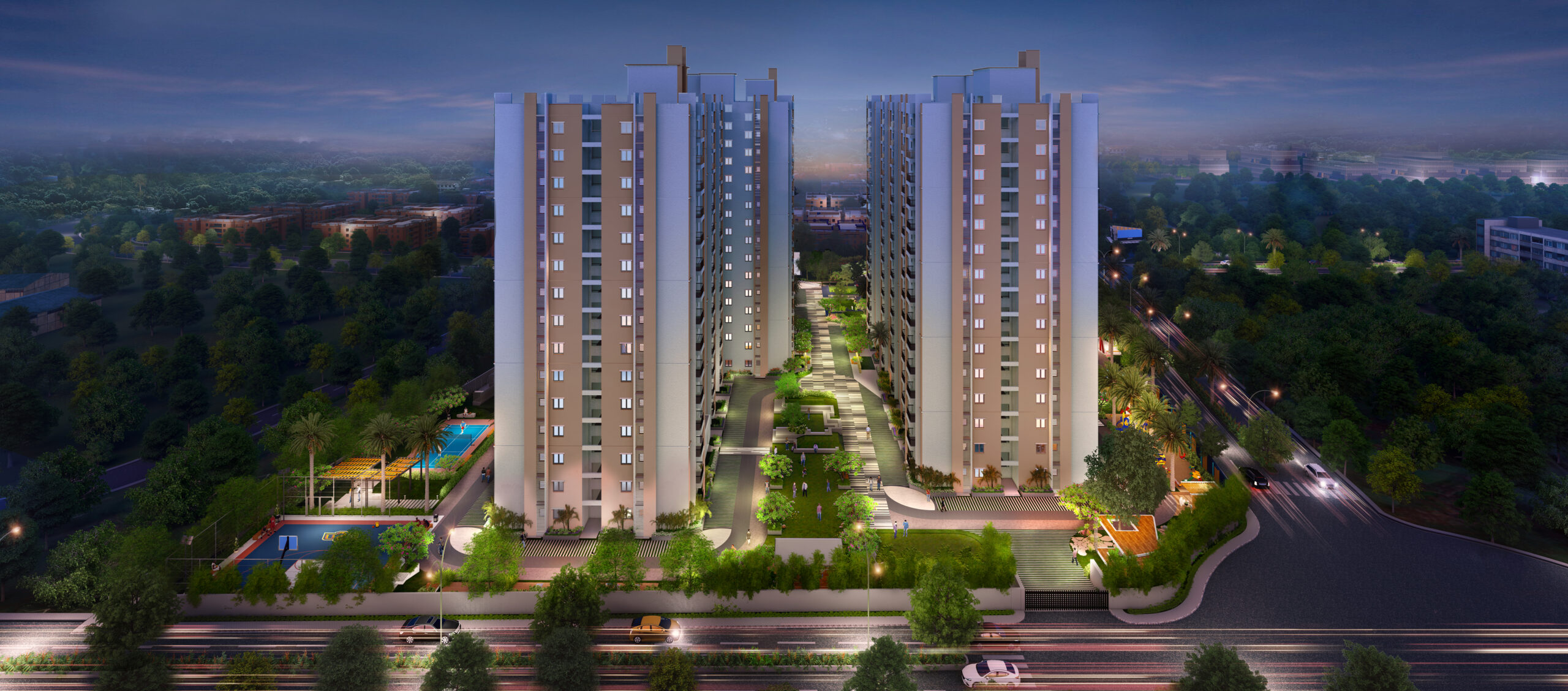
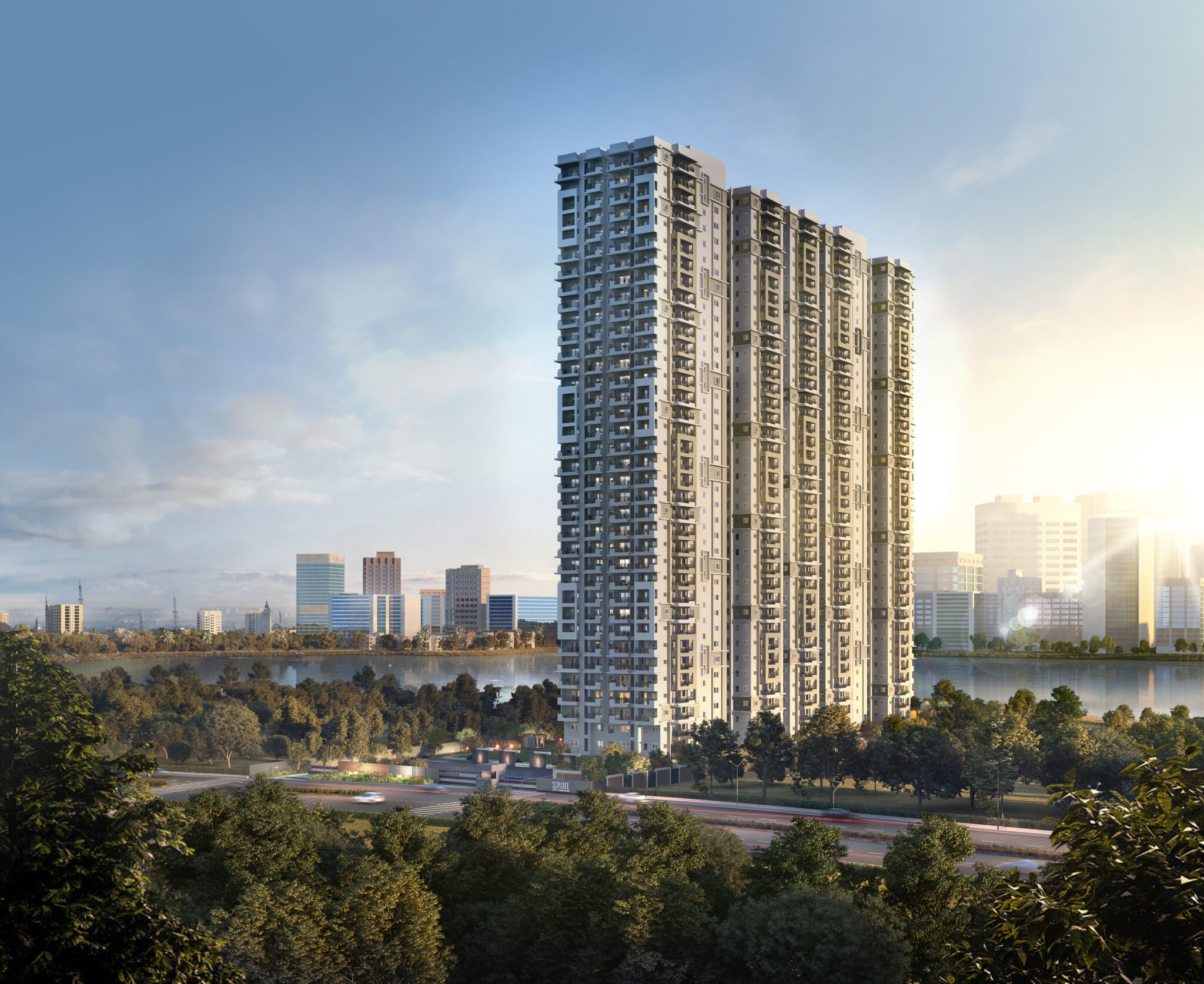
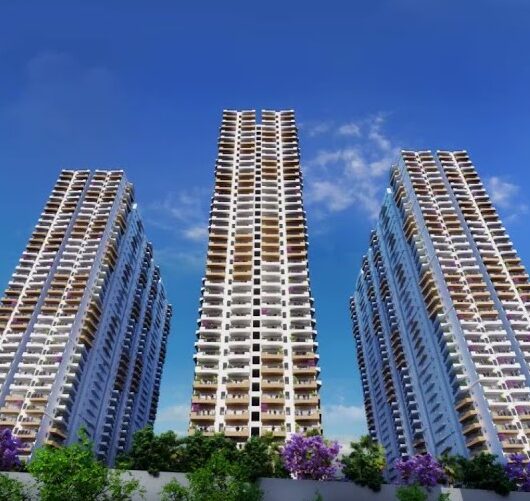
Own Your Dream Now! 3 BHKs in Kokapet | Ready to move | Premium Lake Facing Apartments
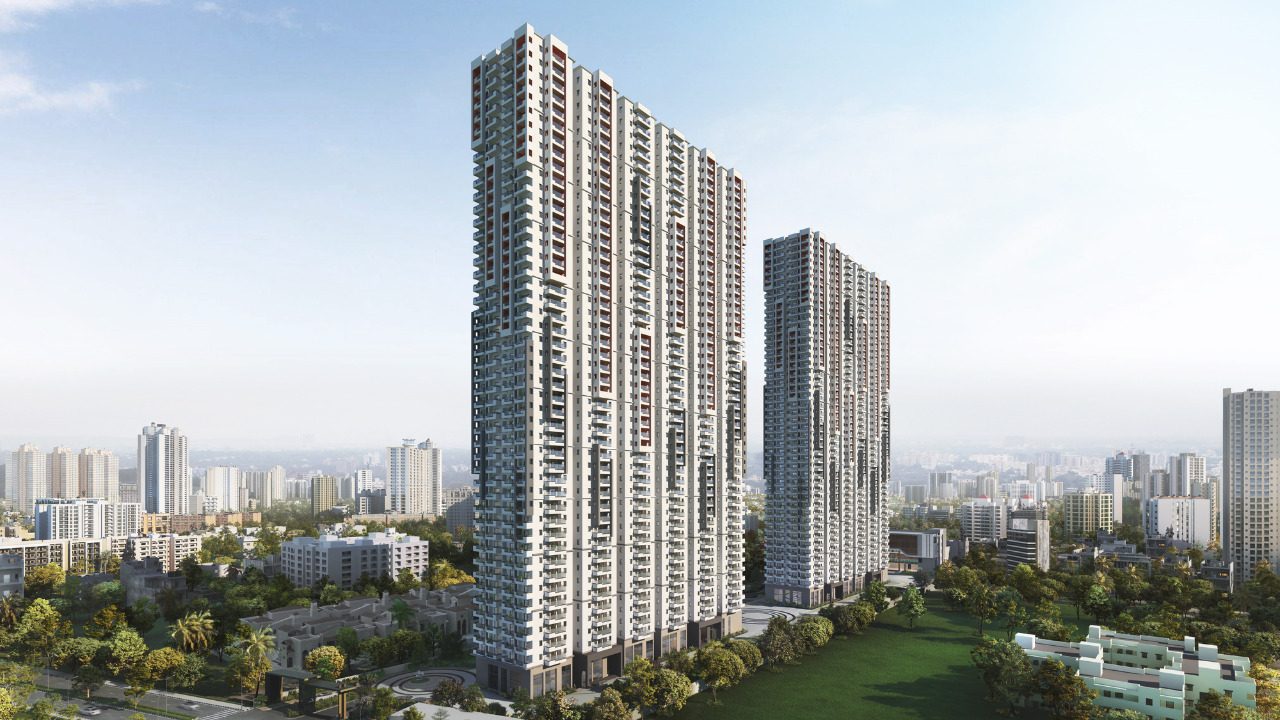
Live Where You Work | Spacious 3 BHKs in the Heart of the Financial District | From ₹2.25 Cr .
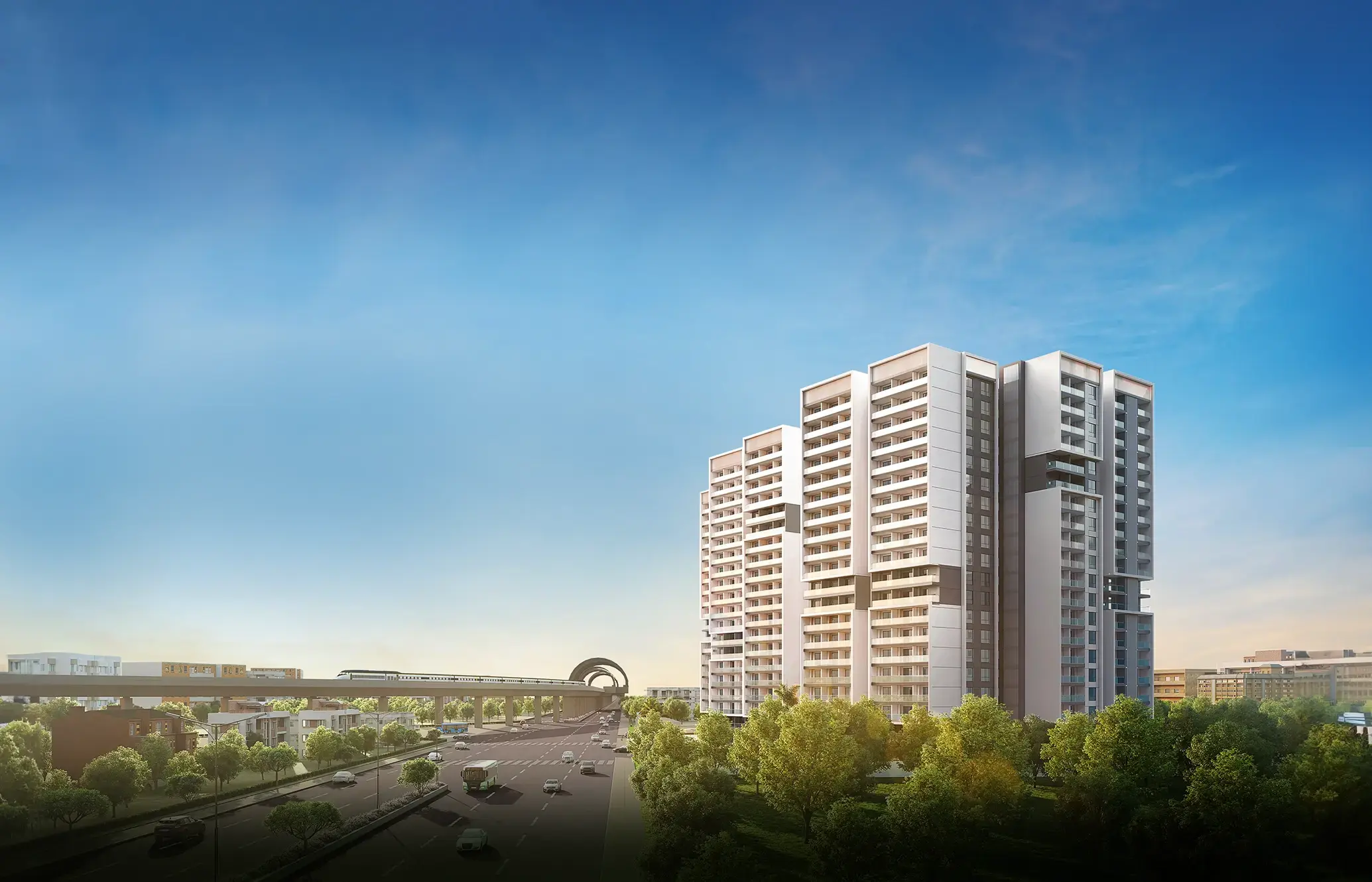
Exclusive 3BHKs | Experience the city’s rhythm in Financial District | Starting at 2.5 Crs
Our Projects
Own Your Dream Now! 3 BHKs in Kokapet | Ready to move | Premium Lake Facing Apartments
Live Where You Work | Spacious 3 BHKs in the Heart of the Financial District | From ₹2.25 Cr .
Exclusive 3BHKs | Experience the city’s rhythm in Financial District | Starting at 2.5 Crs