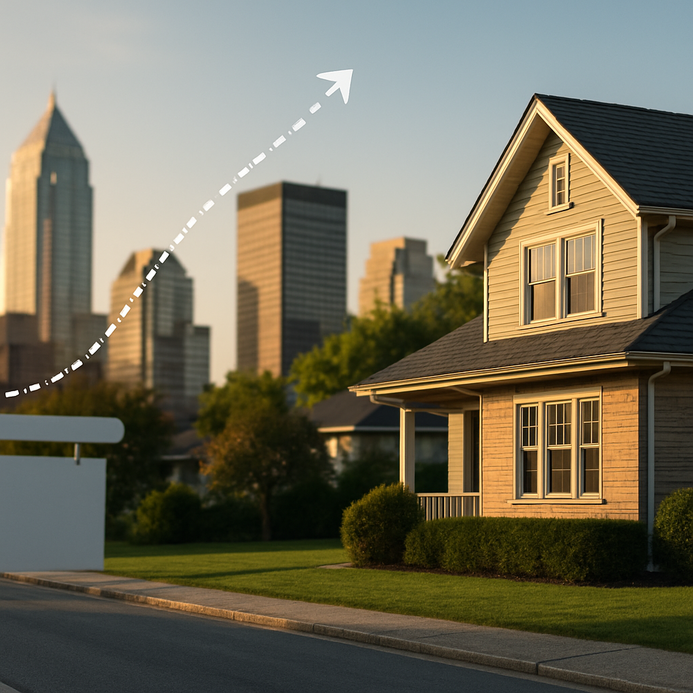
Unlock The Critical TDS Secrets For Buying Property Now!
Understanding Property Acquisition in Hyderabad
Why Hyderabad Now
Hyderabad is booming. Seriously. With steady capital growth, a surge in IT hubs, and better connectivity, it’s become a hot spot. The new metro and ORR projects are cranking up demand, especially in the western and northern corridors. For more on local trends, check out this market note. [Source].
TDS for Buying Property – What Buyers Must Know
So here’s the deal: if you’re shelling out more than ₹50 lakh for a property, you gotta deduct 1% TDS under Section 194IA. The buyer’s job? File Form 26QB and hand over Form 16B to the seller. If you’re unclear about the nitty-gritty of filing, dive into this guide. [Source].
Unveil the 50-50 payment plan
Quick Process Checklist
- Verify seller identity and PAN.
- Hash out the final price and check approvals.
- If you need to, deduct 1% TDS and deposit via Form 26QB.
- Register your sale deed and don’t forget to pay the stamp duty. For practical notes, see this explainer. [Source]
Hyderabad Snapshot Table
| Metric | Typical 2025 Value | Note |
|---|---|---|
| Price growth (key corridors) | 8–12% p.a. | Driven by IT parks and metro |
| Rental yield (city avg) | 2.5–3.5% | Higher near office hubs |
| TDS rule | 1% on >₹50 lakh | Pay with Form 26QB |
Other Buyer Scenarios
Hey NRIs, don’t forget to understand TDS when buying property and the repatriation rules before making any commitments. Last but not least, it’s super wise to consult a lawyer and a tax expert before signing anything. For a more in-depth look at the Hyderabad homebuying process, see this guide. [Source].
The Importance of TDS in Property Transactions
TDS for Buying Property: What Hyderabad Buyers Must Know
Buying in Hyderabad can be a little tricky. It triggers TDS rules if the property price is high enough. Stick to Section 194IA: you’ll need to deduct 1% TDS when the purchase price hits ₹50 lakh. Just remember to deduct it at the payment point or when it gets credited to the seller. File Form 26QB and give Form 16B to the seller after payment. For a practical guide, take a look here. [Source].
Quick TDS Facts Table
| Case | Threshold | TDS rate | Form |
|---|---|---|---|
| Resident seller (Section 194IA) | >= ₹50,00,000 | 1% | Form 26QB / 16B |
| Consideration < ₹50,00,000 | Any | No TDS under 194IA | Not applicable |
| NRI seller (Section 195 / capital gains) | Any (special rules) | Higher rates; tax on capital gains may apply | Form 15CA/15CB / 195 |
TDS for NRI Buyers: Implications
If you’re buying from an NRI, extra rules come into play. Sometimes, you’ll have to deduct TDS under Section 195, or the seller will need to get a lower withholding certificate. NRIs face capital gains tax, so you might need to deduct more unless a certificate says otherwise. Double-check PAN, tax clearance documents, and hit up your tax advisor before proceeding. For the filing steps, see this user-friendly guide. [Source].
Essential Legal Steps for Finalizing Your Deal
Title Verification and Encumbrance Check
First things first: you need to verify the title and grab the encumbrance certificate at the Sub-Registrar’s office. Confirm RERA registration and builder history. Get a certified sale deed copy, and check if there are any pending loans or legal issues involved. If you need a quick read on title documents, check out this guide. [Source].
TDS for Buying Property: Key Tax Steps
Next, let’s talk about TDS obligations. If the property price exceeds ₹50 lakh, deduct 1% under Section 194IA. Pay it via Form 26QB and give Form 16B to the seller. For all the nitty-gritty on procedures, the clear filing guide is key. [Source]. If you’re dealing with NRI sellers, both you and the banks need to follow specific rules, so check the NRI guidelines and tax residency before payment. Find out more in our NRI buying property rules guide. [Source].
Agreements, Payments, and Registration
Once the title checks out, it’s time to sign the sale agreement, and then you’ll need to pay for the booking, stamp duty, and registration. Register the sale deed at the Sub-Registrar, and don’t forget to carry ID and witnesses along. Keep all duplicate receipts and the registered deed in a safe spot. For a smooth bank process and informative TDS deposit timeline, refer to this procedural note. [Source].
Quick Checklist Table
| Item | Why It Matters | Action |
|---|---|---|
| Title & EC | Proves clear ownership | Verify at Sub-Registrar |
| Sale Agreement | Binds terms | Get registered copy |
| TDS (1%) | Legal tax duty | Deduct, pay Form 26QB |
| Registration | Transfers ownership | Register sale deed |
| NRI Checks | Different tax/residence rules | Confirm PAN, adhere to rules |
Know your TDS basics. You’ve got to deduct 1% TDS if the sale value goes over ₹50 lakh under Section 194IA. Pay it using Form 26QB, and be quick about it, make the deposit within 30 days. For procedure and filing details, check this guide. [Source].
Planning Your Cash Flow
Start with the sale price, and don’t forget to add in stamp duty, registration, and TDS. If a home loan’s on your radar, secure pre-approval to understand your EMI ranges and down payments. Be sure to check those loan-to-value limits and types of interest rates. Our internal guide on home-loan down payments can help with upfront costs. [Source].
Compare Financing Options
Utilize home loans from banks for residential purchases. Commercial purchases? They tend to have different terms and rates, so think about specialized commercial loans, especially when buying property in Bangalore. And NRIs, take a close look at TDS rules for buying property and repatriation limits before you fund anything. Check our NRI guide for more insights. [Source].
Quick Reference Table
| Item | Value/Rule |
|---|---|
| TDS rate (Section 194IA) | 1% |
| Threshold | ₹50,00,000 |
| Form for payment | Form 26QB |
| Payment window | Within 30 days of deduction |
Cost-Saving Tips
- Negotiate the timing for stamp duties and builder payments.
- Apply tax-saving strategies for long-term gains.
- If you’re looking at property in Delhi NCR, compare local taxes and registration fees.
- Keep full proof to claim TDS credit in your ITR. To walk through TDS filing, refer to this practical guide. [Source].
And hey, if you’re unsure about any of this, definitely consult a chartered accountant. Verifying that TDS deposit receipt before registration is crucial. Plus, use this bank note for a buyer checklist, super handy for TDS and related costs! [Source].
Closing the Deal: Final Walkthrough and Registration
Final Walkthrough: TDS for Buying Property Checklist
First up? Inspect the unit and common areas. After that, verify all builder approvals, OC, and RERA details. Check the meter connections and any fittings as well. Make sure that all defects logged during your inspection are fixed up. Finally, don’t forget to gather your NOC and possession letter before registration. For a focused guide on inspection steps, see the flat possession checklist. [Source].
Fees, TDS, and Documentation at a Glance
You’ll need to pay your stamp duty and registration fees at the Sub-Registrar’s office. If your sale consideration is ₹50 lakh or more, you must deduct 1% TDS under Section 194IA. Remember to file Form 26QB and get Form 16B. For detailed filing instructions, refer to this link. [Source]. Keep in mind, if the seller is an NRI, the rules are a bit stricter, and TDS compliance could differ. Always check Section 195 requirements and apply for a certificate if necessary. [Source].
Quick Reference Table
| Situation | Threshold | TDS Rate | Form |
|---|---|---|---|
| Resident seller | ≥ ₹50,00,000 | 1% | Form 26QB / 16B |
| NRI seller | Any sale | As per Section 195 / treaty | Varies; get certificate |
Registration Steps – Simple and Clear
Prepare your signed sale deed first. Then calculate stamp duty; you can pay that online or at the counter. After that, book your appointment at the Sub-Registrar, bringing your originals: ID, PAN, sale deed, encumbrance certificate, and NOCs. After registration, get that registered sale deed back and update municipal records accordingly. For more on stamp duty and regional charges, utilize this useful guide. [Source].
FAQ
What is TDS and how does it apply to property transactions in Hyderabad?
TDS (Tax Deducted at Source) is a tax obligation for buyers of property in Hyderabad where the purchase price exceeds ₹50 lakh. According to Section 194IA, buyers must deduct 1% TDS at the time of payment and file Form 26QB.
How do I verify the title of a property before buying?
To verify the title, obtain an encumbrance certificate from the Sub-Registrar’s office, check RERA registration, and consult a certified lawyer to ensure there are no pending dues or legal issues.
What are the common financing options available for property buyers?
Common financing options include home loans from banks for residential purchases, while commercial loans are available for commercial properties, each having various terms and interest rates.
What documents do I need for the final registration of property?
For final registration, you will need the signed sale deed, ID, PAN, encumbrance certificate, and any NOCs required by the builder or developer.
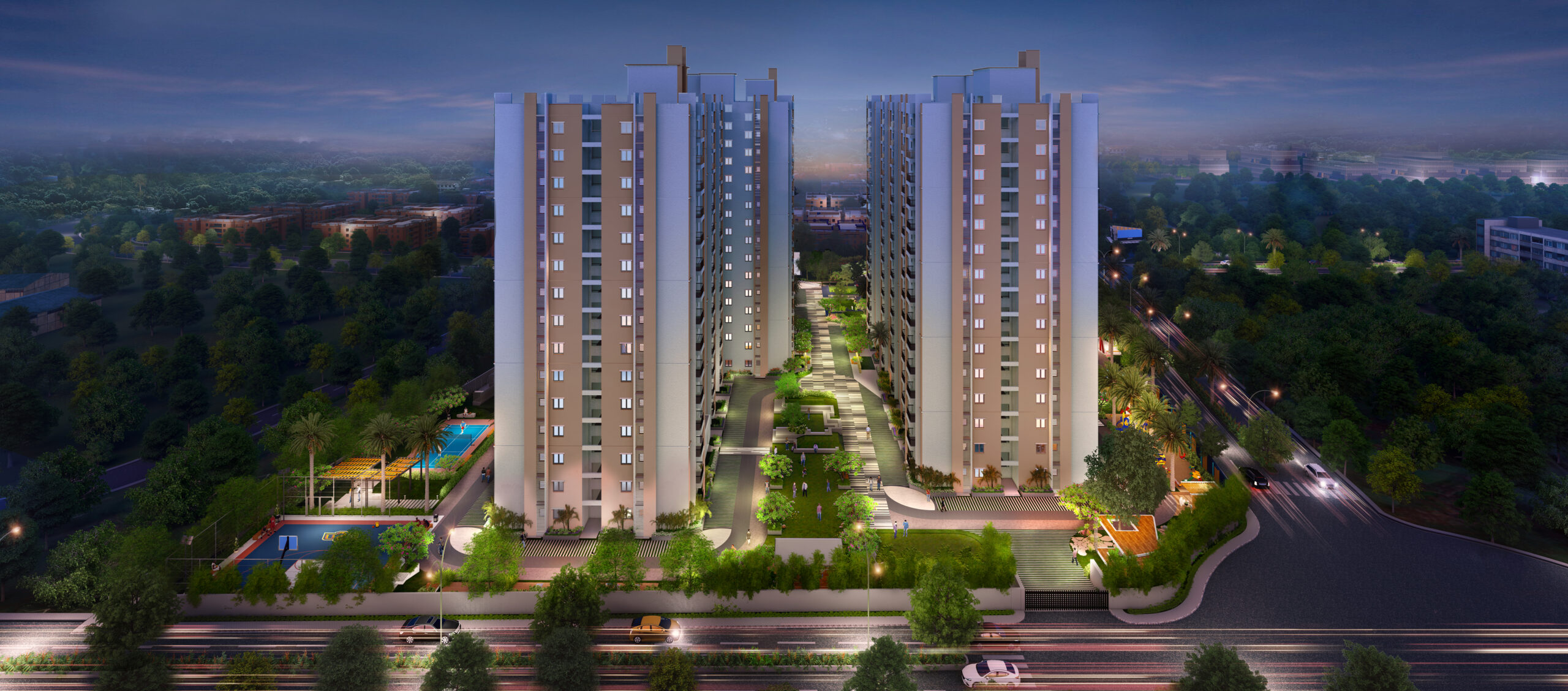
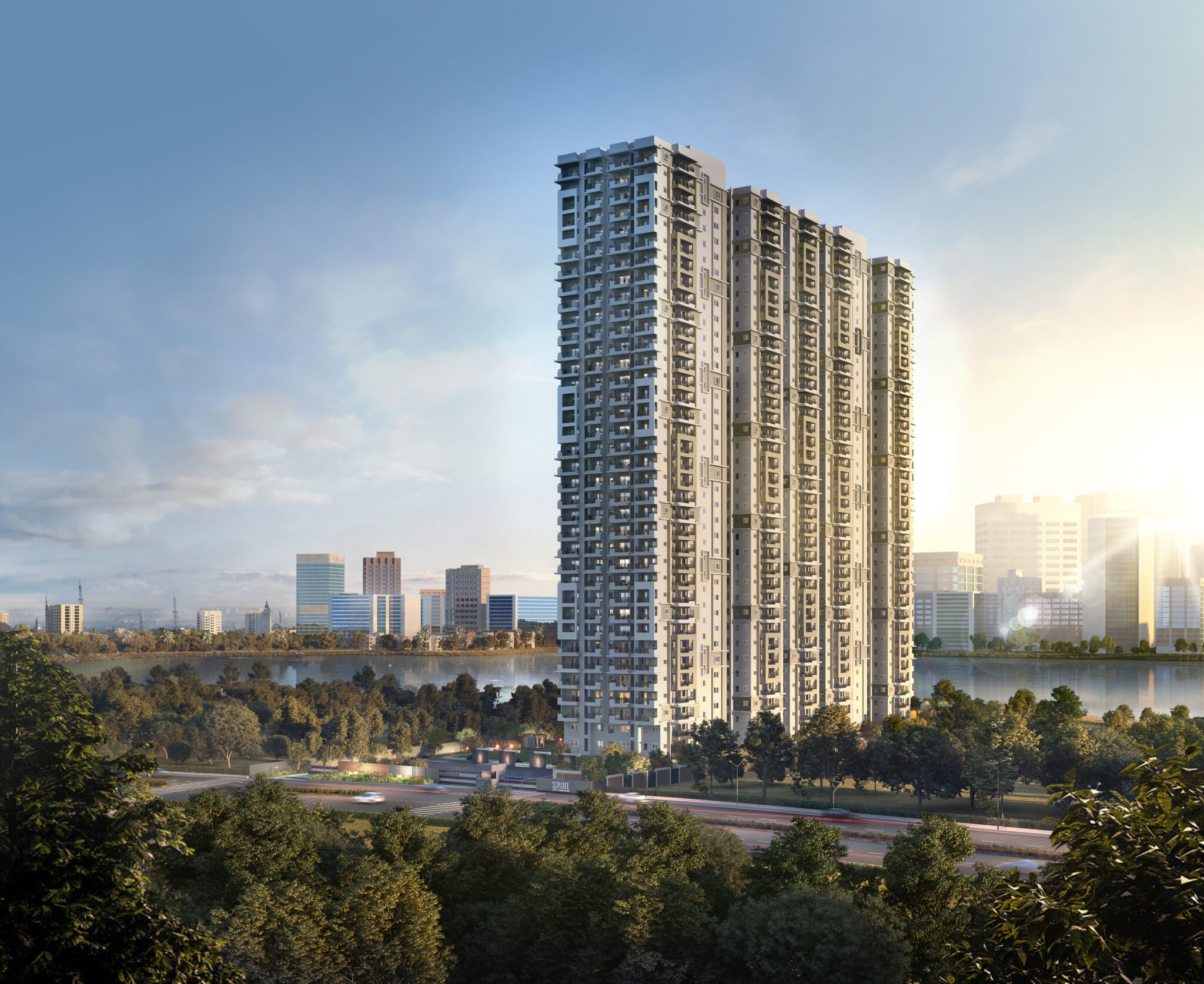
Own Your Dream Now! 3 BHKs in Kokapet | Ready to move | Premium Lake Facing Apartments
Live Where You Work | Spacious 3 BHKs in the Heart of the Financial District | From ₹2.25 Cr .
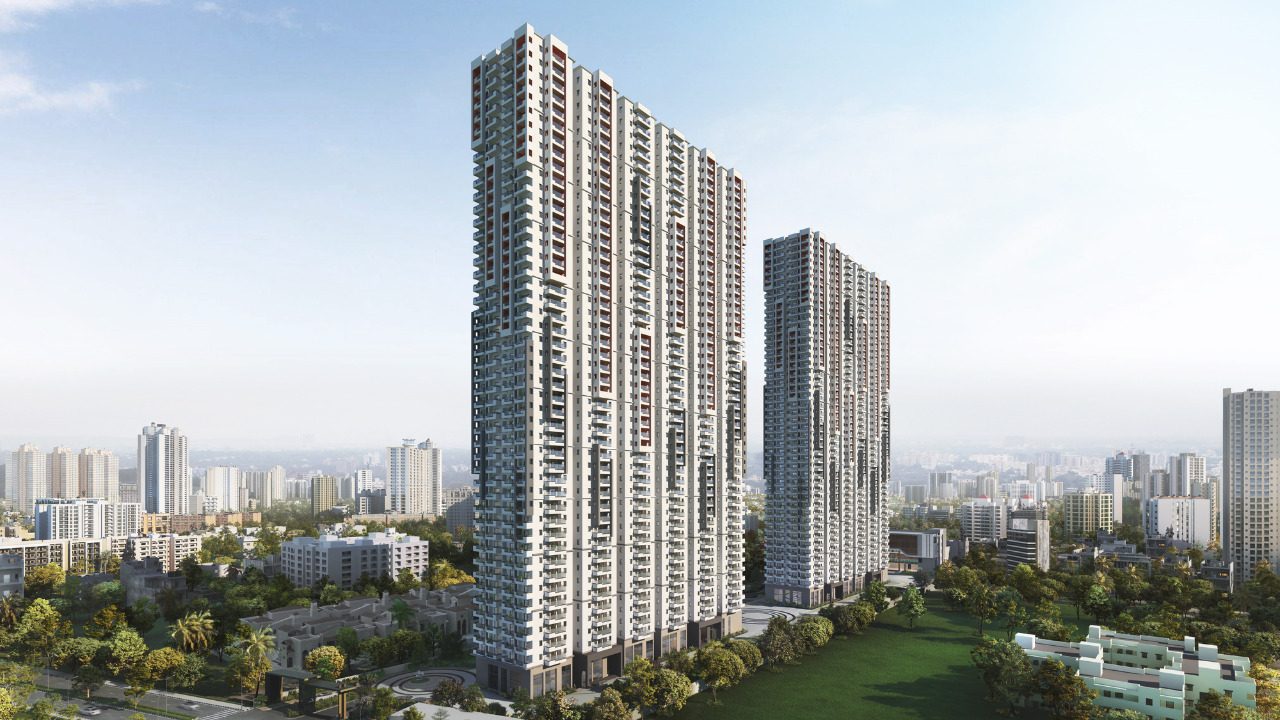

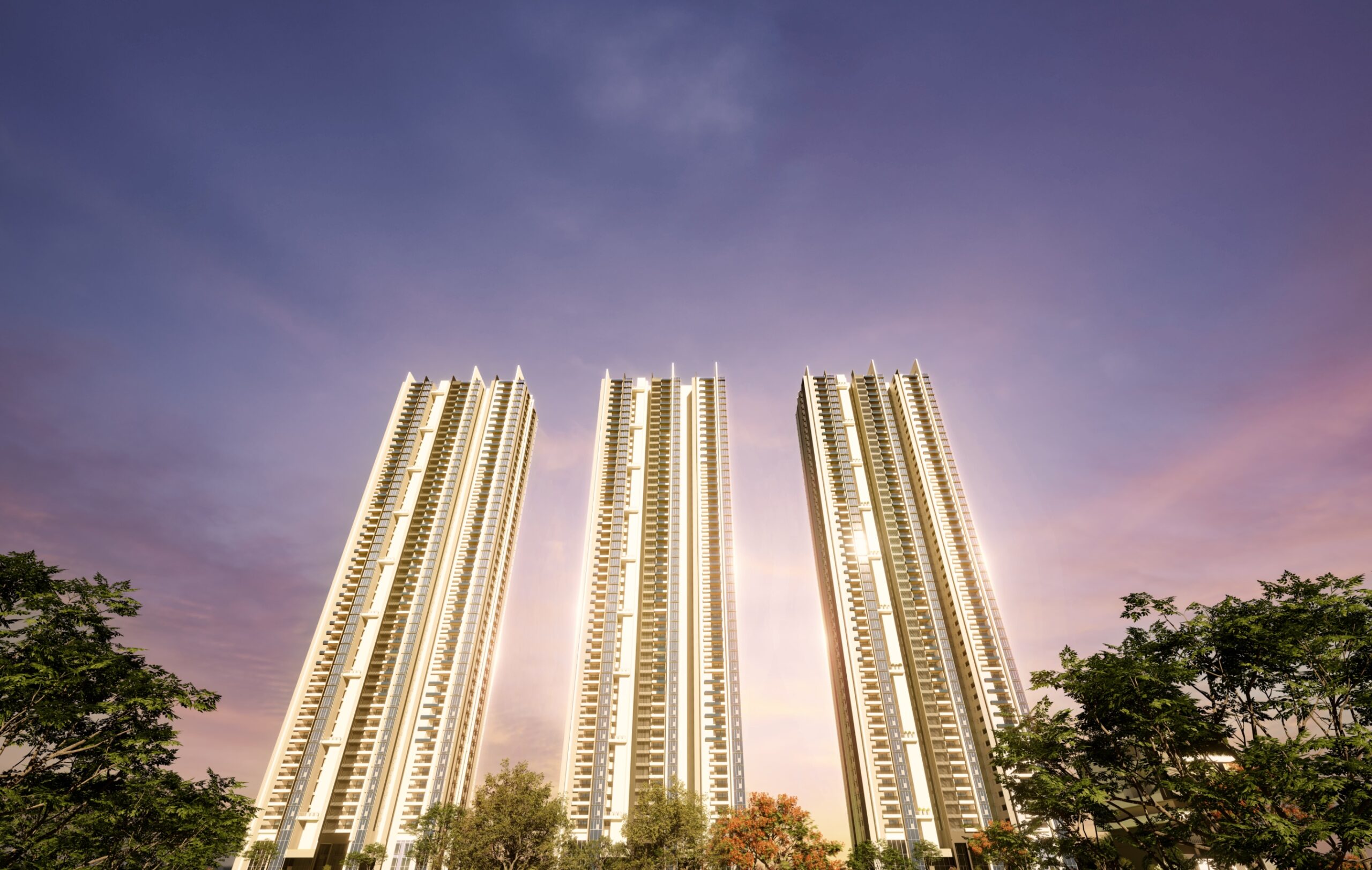
Exclusive 3BHKs | Experience the city’s rhythm in Financial District | Starting at 2.5 Crs
Our Projects
Own Your Dream Now! 3 BHKs in Kokapet | Ready to move | Premium Lake Facing Apartments
Live Where You Work | Spacious 3 BHKs in the Heart of the Financial District | From ₹2.25 Cr .
Exclusive 3BHKs | Experience the city’s rhythm in Financial District | Starting at 2.5 Crs