Evaluating Life Cycle Costs Of Modular Kitchen Design In India
Introduction to Modular Kitchens in India
Modular kitchens are taking India by storm, no doubt about it. They blend style and practicality in a way that just makes sense for today’s homeowners. With an emphasis on modularity, you can tweak layouts, colors, and materials to your heart’s content, personalizing it just for you.
Recent data from Vasterior shows that these designs are all about smart use of space and multifunctionality. That’s especially handy if you’re living in a smaller home. Just think, modular kitchen designs for small kitchens let you optimize every inch while keeping things stylish.
In today’s fast-paced lifestyle, kitchens need to blend in seamlessly with the rest of the home, right? This has ushered in a wave of sleek, minimalist designs. Open-concept living is all the rage, highlighting the need for elegant kitchen spaces. Making smart choices in materials and finishes? Totally essential.
Homeowners are on the lookout for modular kitchen decorators who can craft spaces that scream individual style. Insights from Almac point out that the right mix of materials, clever storage solutions, and cool tech are reimagining kitchens and giving cooking a whole new vibe.
These kitchens do more than just look good, they also boost home value and practicality for cooking and entertaining. And with the personalization trend on the rise, the options are practically endless. Homeowners need to keep tabs on new styles and innovations, and for that, check out the guide on Daso Custom Cabinetry.
So, to wrap it up, when it comes to modular kitchens in India, it’s all about adaptability, modern flair, and efficient use of space. Perfect for the modern homeowner, right?
Unveil the 50-50 payment plan
Understanding Life Cycle Costs: What Is It?
Life cycle costs (or LCC as the pros say) are super important if you want to get the real picture on how cost-effective your modular kitchen design will be. LCC covers everything from the moment you buy it to when you eventually dispose of it. Here’s the breakdown:
| Cost Component | Description |
|---|---|
| Purchase Cost | The upfront cash for the kitchen units and materials. |
| Installation Cost | What you spend to put everything together and fit the modules. |
| Operation Cost | Day-to-day costs, like utility bills for your appliances. |
| Maintenance Cost | Regular upkeep and repairs here and there. |
| Disposal Cost | How much it’ll cost to get rid of old units when they’re done. |
Knowing these costs helps you make a better choice for your modular kitchen, especially if you think about the long haul. A well-planned modular kitchen can actually cut costs over time by maximizing space and efficiency, think modular kitchen designs for small kitchens, so you’re not wasting any room.
For more on the developing trends in this space, check out the article on modular kitchen designs in 2026.
Smart planning around LCC means you can really use your kitchen effectively while avoiding unnecessary expenses, it’s a solid investment in the heart of your home. Plus, connecting with a good modular kitchen decorator can open up a world of personalized solutions that fit your wallet.
Initial Investment vs. Long-Term Savings in Modular Kitchen Design
Thinking about a modular kitchen? It’s all about weighing that initial investment against what you stand to save in the long run. Here’s a comparison of costs for modular kitchens versus traditional setups.
Upfront Costs
Sure, modular kitchens often ask for a bigger chunk of cash upfront. With prices usually ranging from INR 1,00,000 to INR 5,00,000 or even higher, how much you spend really depends on materials and how far you want to customize. Traditional kitchens? They might set you back between INR 70,000 to INR 3,00,000, depending on what you choose.
Long-Term Savings
Now, those initial costs might feel high, but they often lead to nice savings down the road. Check this quick comparison:
| Aspect | Modular Kitchen (5 years) | Traditional Kitchen (5 years) |
|---|---|---|
| Energy Efficiency (Annual Savings) | INR 10,000 | INR 5,000 |
| Maintenance Costs (Annual) | INR 5,000 | INR 15,000 |
| Durability (Replacement Rate) | 10 years | 5 years |
See? Modular kitchens can save you roughly INR 50,000 over five years just in energy and maintenance costs.
Conclusion
Investing in a modular kitchen can actually be more rewarding over time due to its durability and energy efficiency. With their growing presence in India, finding the right modular kitchen decorator is crucial to reap all those benefits. For the latest trends, don’t forget to check Vasterior’s guide on modular kitchen designs.
When diving into the planning phase, pay attention to space and style. If you’re after ideas for small kitchens, be sure to look at Almac’s trends on modular kitchens.
Factors Influencing Life Cycle Costs of Modular Kitchens
Alright, so what really drives those life cycle costs for modular kitchens? A bunch of factors come into play: materials, finishes, hardware choices, how it’s installed, and ongoing maintenance requirements. Getting a grip on these can help you find the right balance between what you pay upfront and the long-term value.
Materials and Finishes
Materials really pack a punch when it comes to cost and longevity. High-quality stuff like marine plywood and steel can stand the test of time and cut down on needing repairs. Sure, marine plywood might cost more initially, but its moisture resistance means you’ll save on replacements over time.
| Material | Initial Cost (INR/sq. ft.) | Life Expectancy | Maintenance Frequency |
|---|---|---|---|
| Marine Plywood | 100-150 | 15-20 years | Low |
| Particle Board | 50-100 | 5-10 years | High |
| MDF | 70-120 | 10-15 years | Moderate |
Hardware and Installation Techniques
The hardware, think handles and hinges plays a big role. If you invest in sturdy hardware, it can really improve how things operate and extend the life of your cabinets. Plus, how you install matters too; shoddy installation can lead to headaches and extra costs down the line.
Maintenance Needs
Regular maintenance is a game-changer for long-term costs. If your finishes are durable, you won’t be scrubbing and fixing up as often, which means less hassle and fewer costs. Just make sure to weigh your options, so you aren’t hit by surprise expenses later on.
Collaborating with experienced modular kitchen decorators is key to getting a setup that looks good and functions well for years to come. Simple strategies like routine checks and minor repairs can go a long way in keeping your kitchen in top shape.
For the latest info about modern trends and smart solutions in modular kitchen design, check this source.
By balancing your choices in materials, ensuring good hardware quality, and going for thorough installation, you’ll end up with a modular kitchen that looks fantastic and works hard throughout its lifespan.
Want more home investment tips? Check out transforming living spaces for more ideas!
Making Informed Decisions: Is a Modular Kitchen Worth It?
So, how do you figure out if a modular kitchen is the right fit for your lifestyle and budget? It’s all about looking at functionality, design, and price. Here’s a handy guide to help you sort it out.
Assessing Cost-Effectiveness
Modular kitchens come with a range of prices, which are swayed by the types of materials, designs, and brands involved. Below’s a cost snapshot for a basic modular kitchen setup:
| Item | Estimated Cost (INR) |
|---|---|
| Cabinets | ₹30,000 – ₹1,00,000 |
| Countertop (Granite/Solid Surface) | ₹10,000 – ₹40,000 |
| Sink and Faucets | ₹5,000 – ₹15,000 |
| Appliances (Oven, Hob, etc.) | ₹20,000 – ₹1,00,000 |
| Installation Charges | ₹5,000 – ₹20,000 |
| Total Estimated Cost | ₹70,000 – ₹2,95,000 |
Keeping an eye on your budget is key to finding the right kitchen modular options. A good modular kitchen decorator can customize your design to fit your budget perfectly.
Maximizing Functionality in Compact Spaces
Want to make the most out of a tiny kitchen? Modular kitchen designs can help you optimize every bit of space. Here are some handy tips:
1. Multi-Functional Furniture: Go for pull-out shelves and folding tables to free up room.
2. Vertical Storage Solutions: Stretch those cabinets to the ceiling and use wall racks for easy access.
3. Compact Appliances: Smaller appliances save space and keep the kitchen functional.
4. Open Shelving: Keep everyday items on open shelves, they’re handy and make the space feel bigger.
For the latest in modular kitchen design trends, don’t miss out on Vasterior.
Final Considerations
Bottom line? A modular kitchen investment should mesh with how you cook and who you cook for. Finding that sweet spot between value and style will give you a kitchen that’s inviting and functional. And don’t forget to factor in a little extra cash for unexpected expenses that often come up during installs.
For more smart financial advice in real estate and interior design, check out our insights on rental yields.
By understanding your needs, leveraging smart designs, and sticking to a budget, you can make an educated decision on whether a modular kitchen is right for you.
FAQ
1. What is a modular kitchen?
A modular kitchen is a modern kitchen design that uses pre-made modules that can be customized to fit the space and style preferences of the homeowner.
2. Are modular kitchens more expensive than traditional kitchens?
While the initial investment for modular kitchens can be higher, the long-term savings in energy and maintenance can make them more cost-effective over time.
3. How long does a modular kitchen last?
With proper care and quality materials, a modular kitchen can last anywhere from 10 to 20 years.
4. Can I customize my modular kitchen?
Yes, modular kitchens offer a high degree of customization in terms of layout, materials, colors, and finishes.
5. What factors affect the life cycle costs of a modular kitchen?
Factors include materials and finishes, hardware and installation techniques, and ongoing maintenance needs.
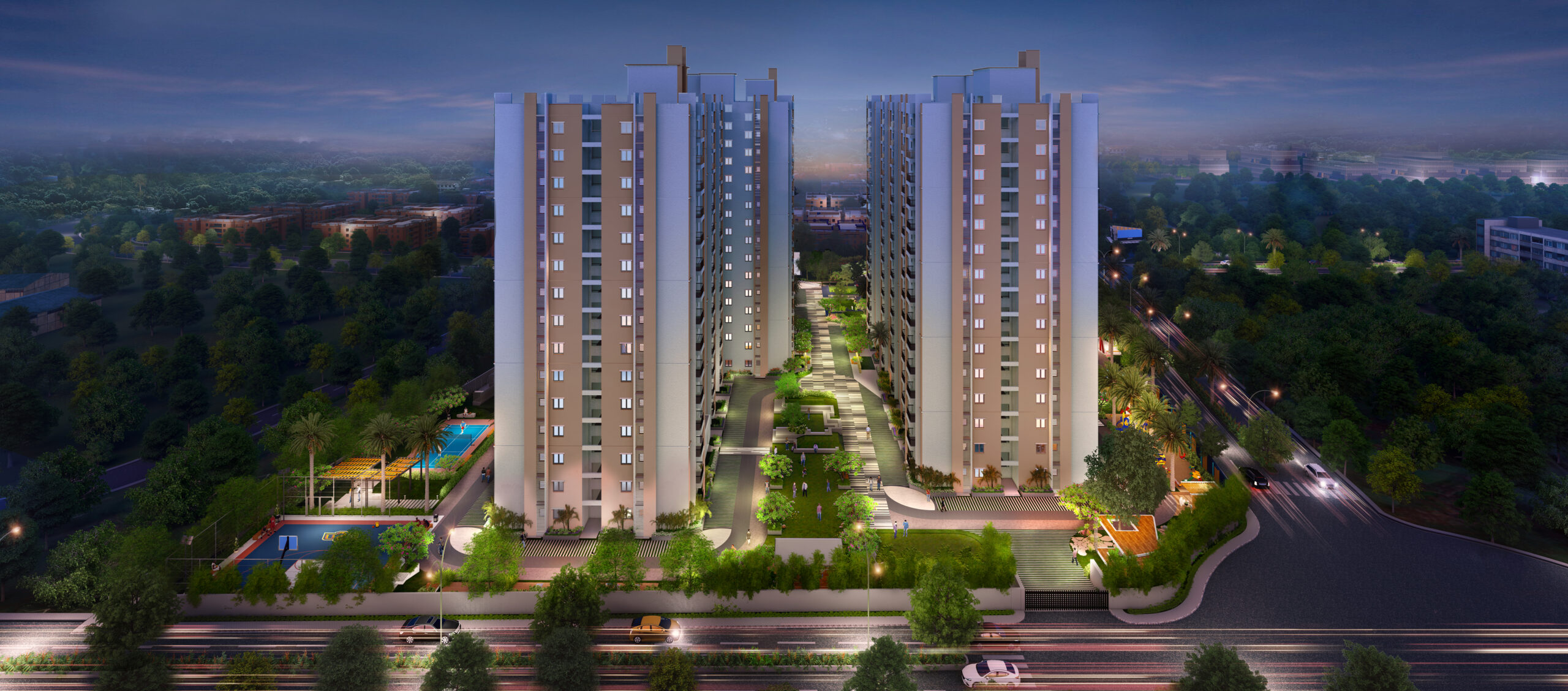
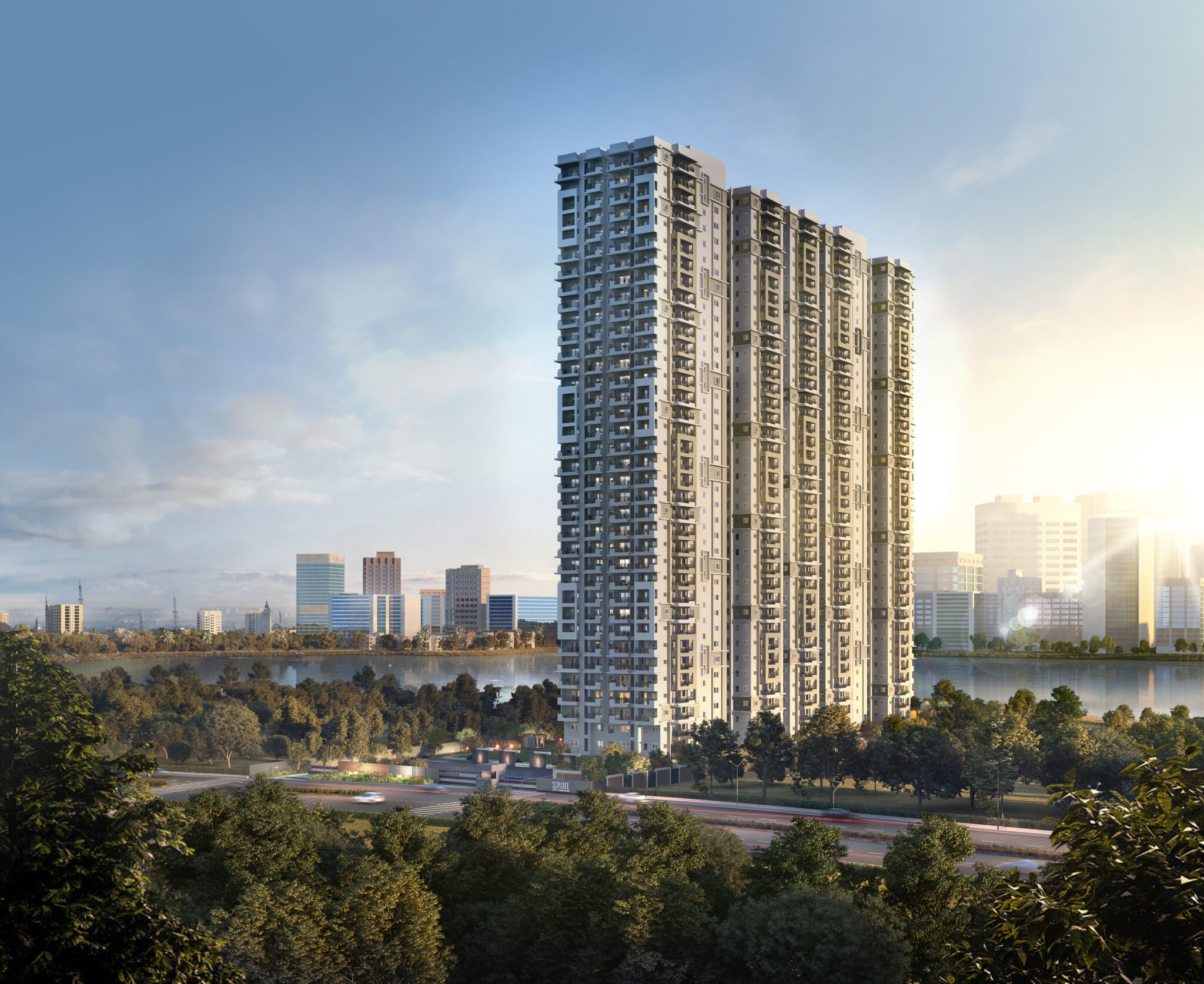
Own Your Dream Now! 3 BHKs in Kokapet | Ready to move | Premium Lake Facing Apartments
Live Where You Work | Spacious 3 BHKs in the Heart of the Financial District | From ₹2.25 Cr .
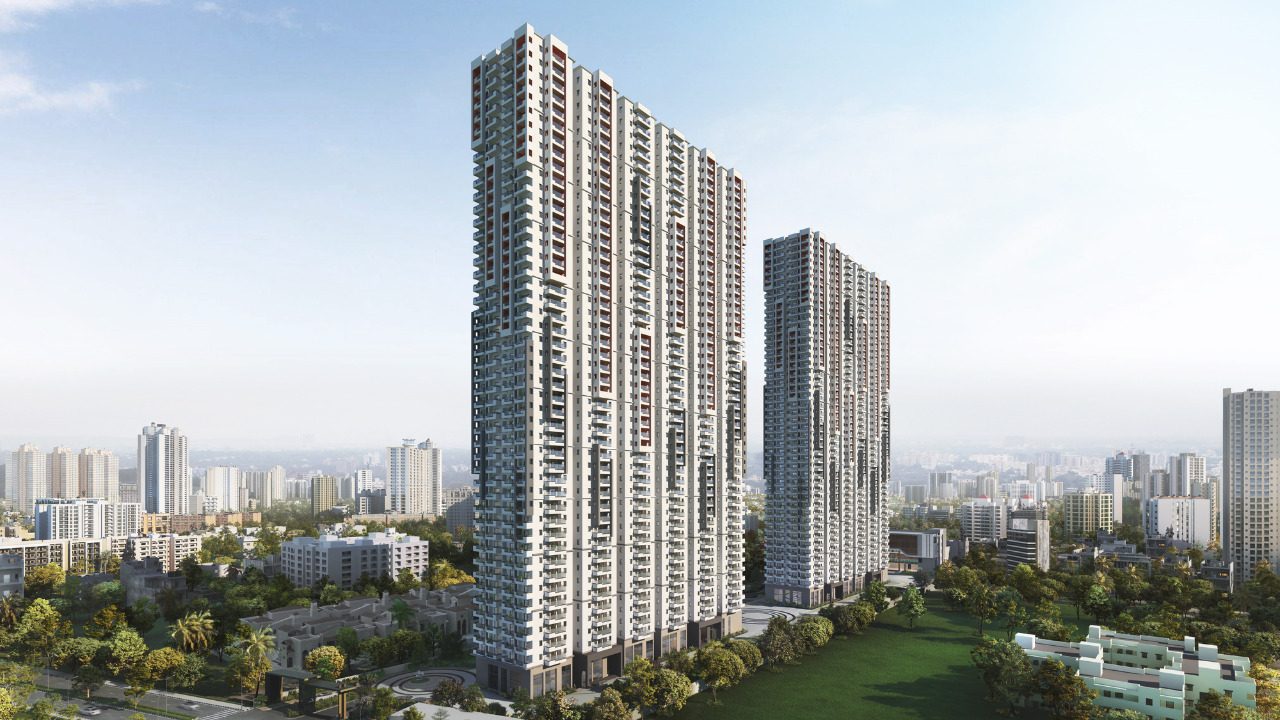
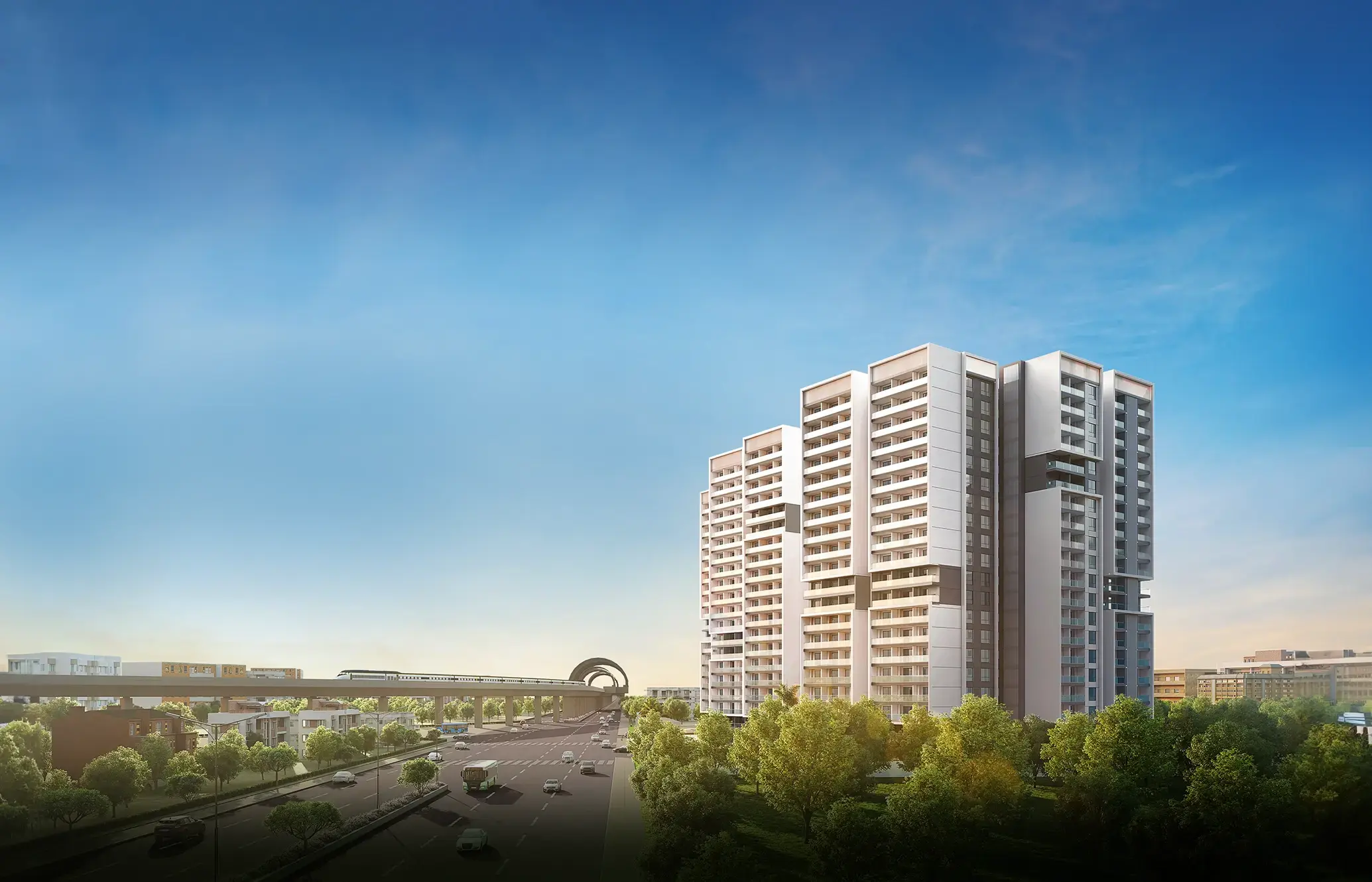
Exclusive 3BHKs | Experience the city’s rhythm in Financial District | Starting at 2.5 Crs
Our Projects
Own Your Dream Now! 3 BHKs in Kokapet | Ready to move | Premium Lake Facing Apartments
Live Where You Work | Spacious 3 BHKs in the Heart of the Financial District | From ₹2.25 Cr .
Exclusive 3BHKs | Experience the city’s rhythm in Financial District | Starting at 2.5 Crs